German
Chile: Playa las Machas, Llano de Challe National Park & Copiapoa
February 2026
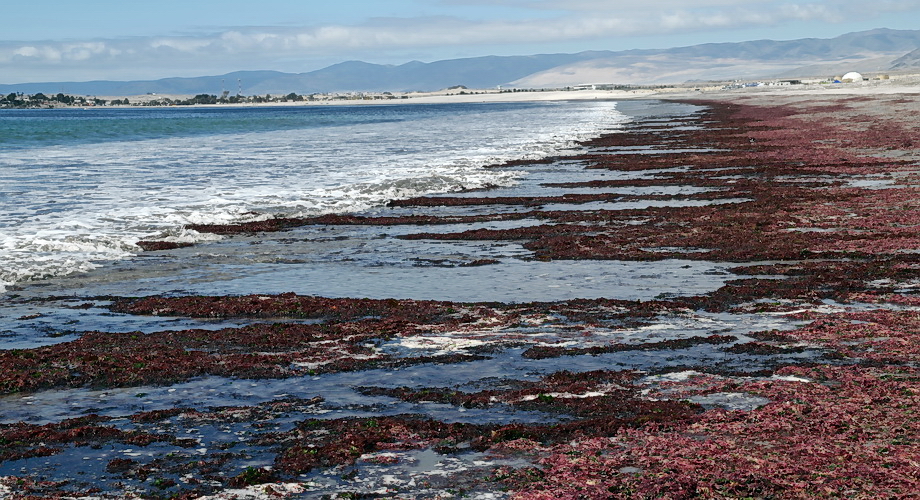
Playa las Machas
It was weekend, and accordingly, many locals visited the popular beach.
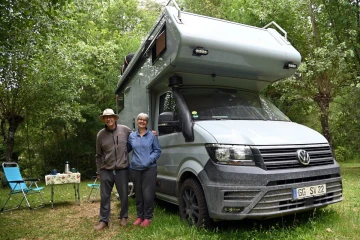
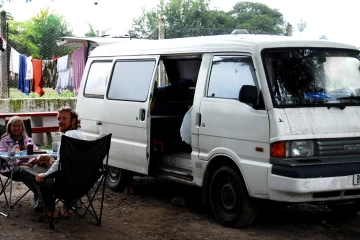
We parked away from the large clusters of tents, at the side of a soft sandy track. After a rather restless night, we were sitting in the Sprinter having breakfast when a rusty van got stuck in the soft sand nearby.
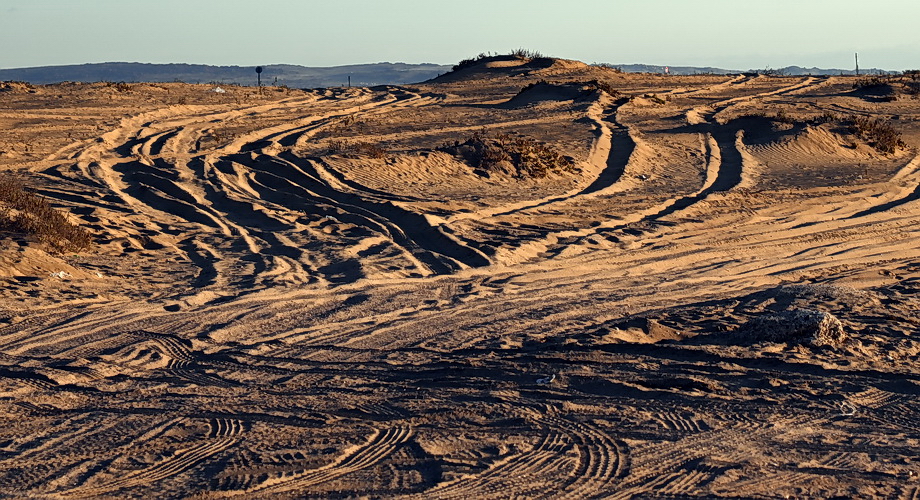
Then it was time for a live show:
First, the driver of the two-wheel drive vehicle digging himself in by accelerating excessively. Then nine heavy, far too heavy men and women got out of the vehicle. Then, correctly, they used their hands to clear a track for the wheels. However, only three or four people pushed at a time. We couldn't believe our eyes when they pushed at the front and rear at the same time. As a result of these actions, the vehicle dug itself in deeper after moving less than a meter.
After several half-hearted attempts, the tactic was changed and seawater was poured into the track. Without success.
As there were several pickup trucks belonging to locals camped nearby, we stayed out of the matter.
After many futile attempts to free the vehicle, a Ford pickup truck driver with a powerful V8 engine took pity on the helpless group and pulled the vehicle out.
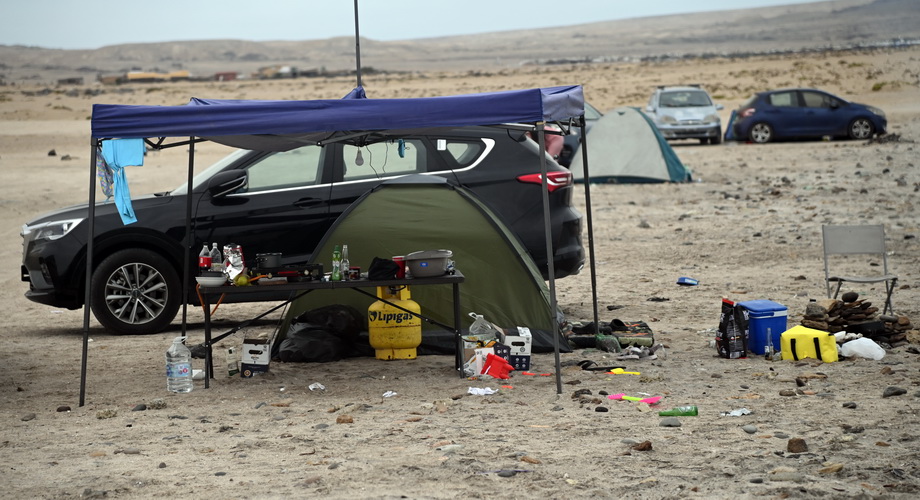
Well-intentioned...
A family of three had pitched their tent next to us on the bay. Shortly afterwards, a small campfire was lit, producing a lot of smoke, and the woman baked bread on her grill rack.
Later that evening, there was a knock at our door, and our friendly neighbor handed us two pieces of her homemade bread. We talked about where we came from and where we went. She told us about her grandfather, who came from the French Swiss border region. It was a lively conversation.
The next morning, we looked forward to eating the bread. Unfortunately, it was completely uneatable. On the outside, it had a nice, slightly burnt crust. On the inside, however, it was sticky, soggy, unrisen, and partly hard. What a shame! But it was meant well.
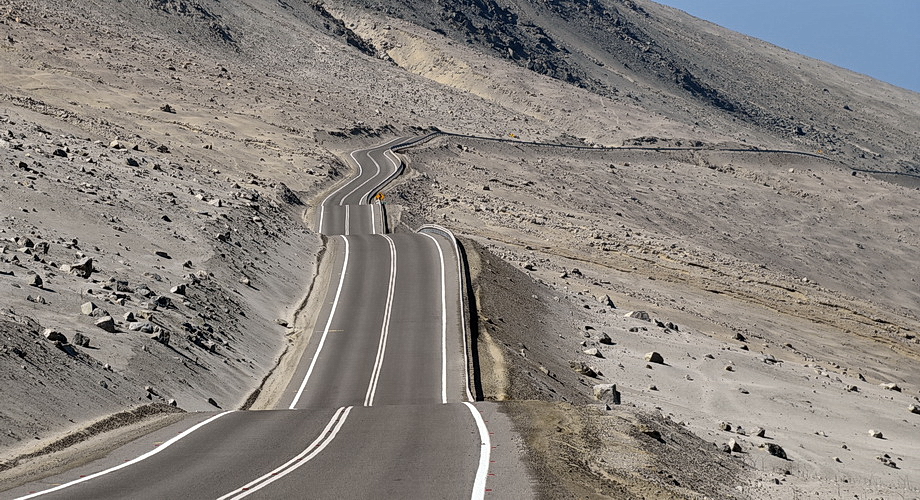
Atacama Camping
After five weeks of wild camping, we headed for a campsite in Huasco. Brigitte wanted to wash some clothes in a machine.
A young volunteer gave us a brief introduction to the site. The place was a complete disaster. A large washing machine was housed in a small, dirty room overflowing with dirty laundry. The washing drum looked terrible.
The camping and cabin guests were eating breakfast, which was included in the price of their stay, in a large common room. Looking at it made us lose our appetite. Toilets and showers? No, thank you.
Since we wanted to park the vehicle safely so we could go shopping with Uber, we stayed there for one night. Doing laundry was out of the question, and we had breakfast from our galley. Once again, we were very grateful for the toilet and shower in our motor home. We didn't take any photos!
Sacred parking lot
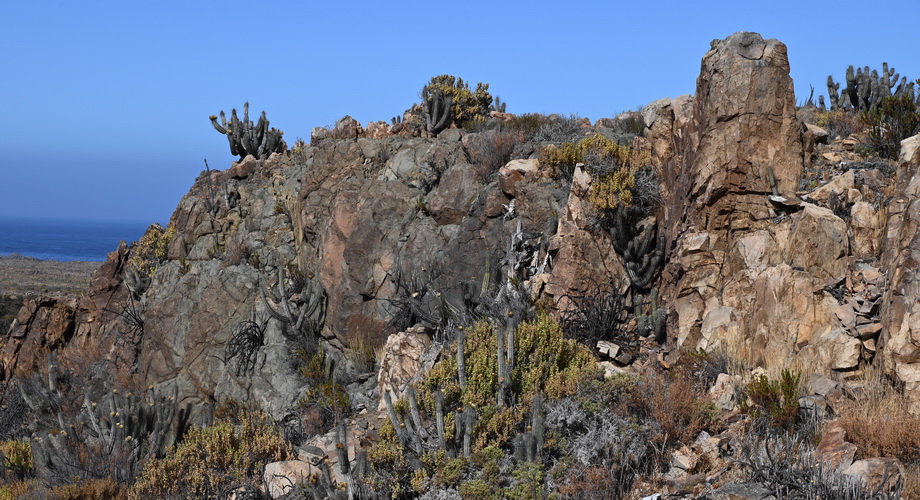
We camped in Pichidangui for several nights. First in a large parking lot next to a church with a good view of the sea and the magnificent park next to it with various cacti and flowers.
On the second day, a white-haired old church fan came and told us we weren't allowed to stand there. Mind you, the church was closed all day, and the 30 to 40 people parked there were park visitors. We explained to the gentleman that the police had driven by several times yesterday on patrol and had not paid any attention to us. Brigitte asked him to call the police to clarify the situation. He took a photo of us and left. As I saw an even nicer spot while out walking, we moved the car later. We had a view of the sea and the church car park 300 meters away. Less than an hour later, a huge Chilean camper parked in our so-called forbidden spot.
Now the grumpy churchgoer had something to do again!
From our new spot, we could also see the road leading along the beach with adjacent vacation homes. Thanks to many waste disposal stations, the place is much cleaner than many other places in Chile.
We couldn't believe our eyes: three wild horses came running down the slope. One of the horses lifted the lid of the wooden waste bin with its mouth, and all three tore open the garbage bags and enjoyed the food scraps they found inside.
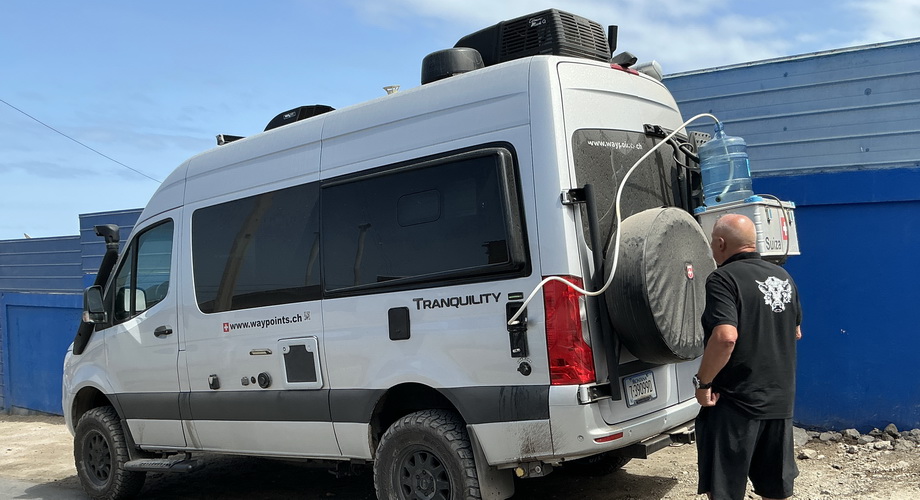
Water supplies in the Atacama region
Fresh water is particularly scarce north of La Serena, stretching around 1,500 km along the coast. However, most larger gas stations even have a drinking water tap. We usually refilled our water tank there. An alternative was to drive to a water treatment plant in larger towns and fill up the tank with purchased water. 100 liters for 12 francs. Since we always buy bottled drinking water on our trip, this would be a very inexpensive solution.
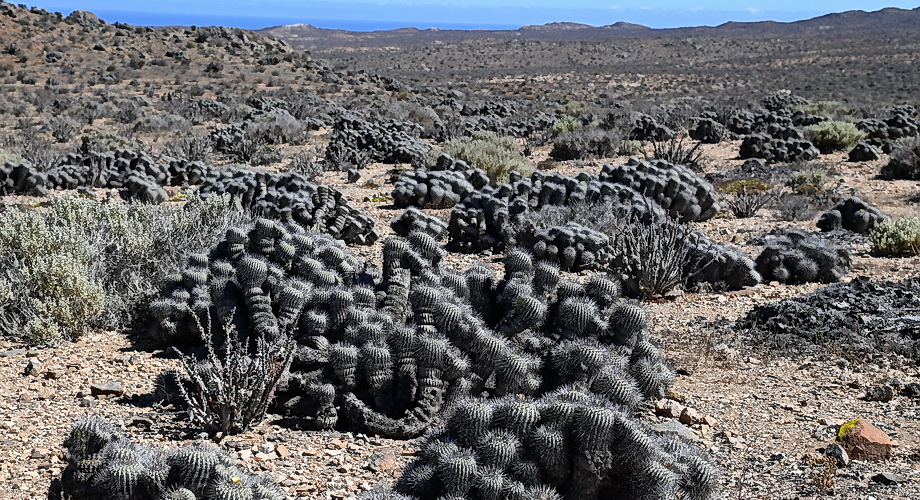
Llano de Challe National Park
A unique experience with an almost magical landscape of endemic flora and fauna, including guanacos and zorros.
The coastal fog, known as Camanchaca, provides sufficient moisture and thus a diversity of flora. Over 220 plant species colonize this area, 206 of which are native to Chile and 14 endemics, meaning they are found exclusively in this region. The park is not only a refuge for plants, but also for wildlife. Its inhabitants also include many birds.
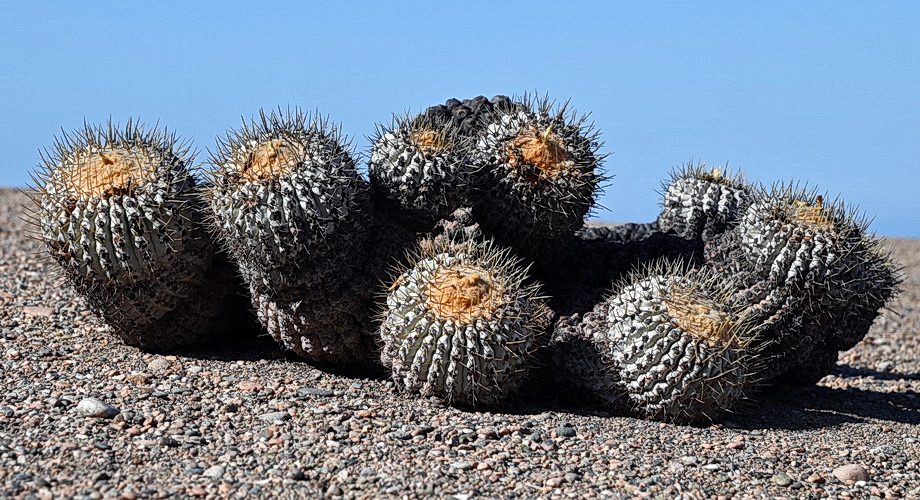
Copiapoa
is a cactus endemic to the region and one of the most representative species of Llano de Challe National Park. Copiapoas usually grow in a spherical or columnar shape. These plants are also typically small and slow growing. Their surfaces are decorated with curved or brush-like spines. Some species grow individually, so you will find only a single stem, while others grow in groups. Some species appear green and blue, while others are very ash colored. The bell-shaped flowers are usually small and can range from white to yellow to red, depending on the species. These plants have a large water storage capacity and can survive prolonged periods of drought and still bloom. They are very beautiful plants that live for many years. They grow so slowly that it is actually very difficult to determine their age, but experts estimate that they can live for hundreds of years. For this reason, it is believed that some of the specimens that reach a size of half a meter could be between 300 and 500 years old.
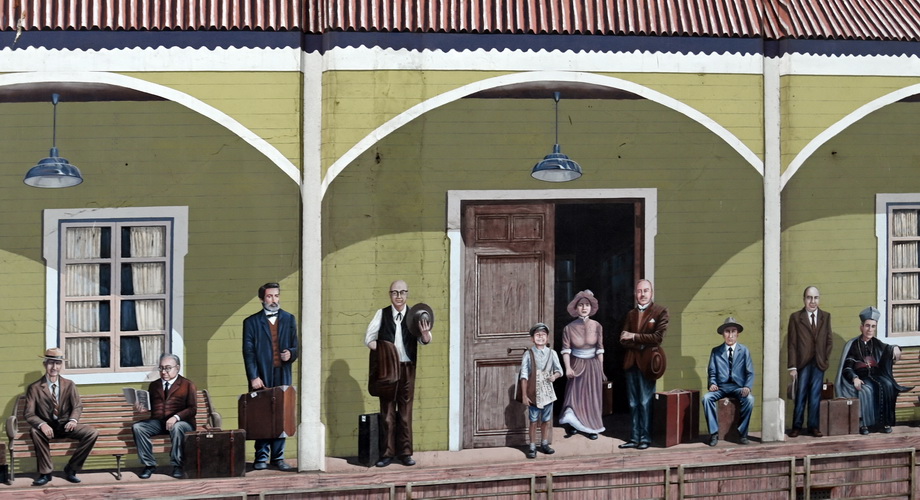
Wall - Illusion paintings in Antofagasta
The mural by artist Luis Nunez is entitled: A train station with heroes from the history of Antofagasta. It transported us to a scene from 1900 during the saltpeter era. The mural depicts symbolic and important figures from the history of northern Chile. We were thrilled.
For those interested: 3D street art Tracy Lee Stum, Antofagasta, https://tracyleestum.com/3d-street-painting-for-3m-in-chile/