German
Brazil: Baroque churches in Ouro Preto, Mariana, Congonhas & Tiradentes
September 2026

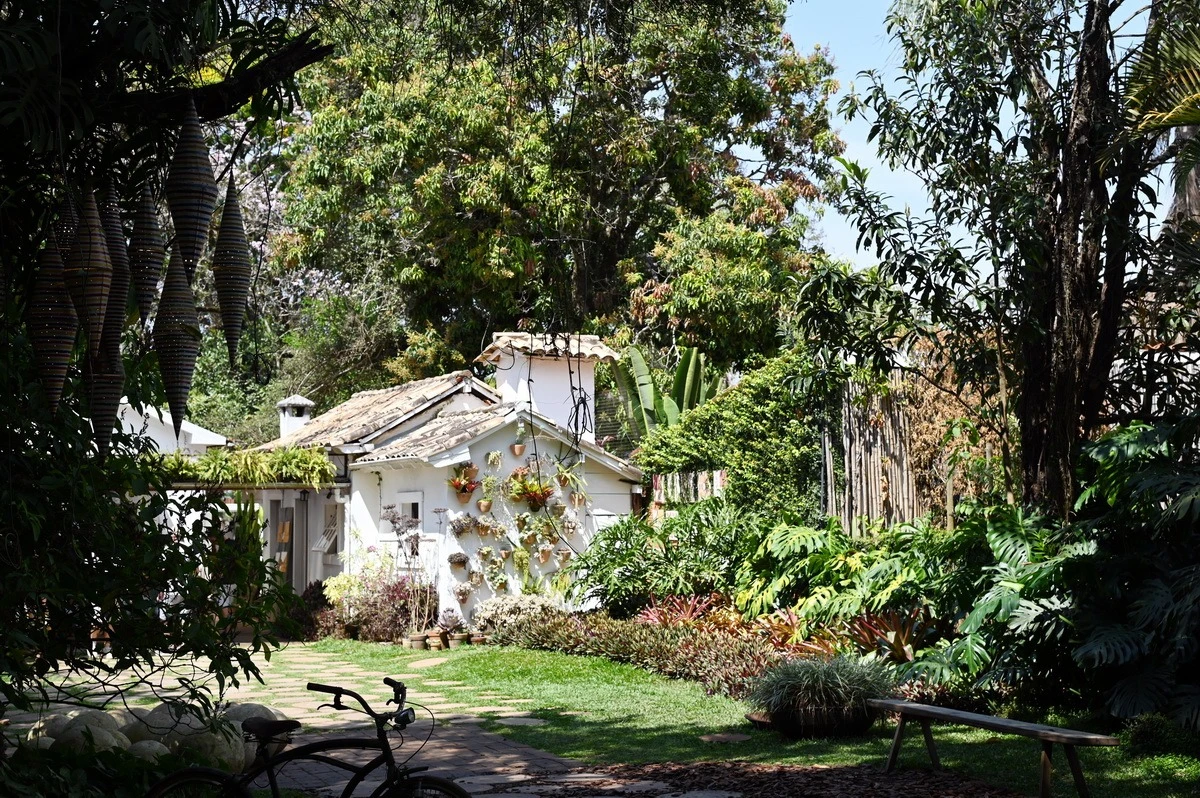
The Gold Rush Town Tiradentes, Minas Gerais
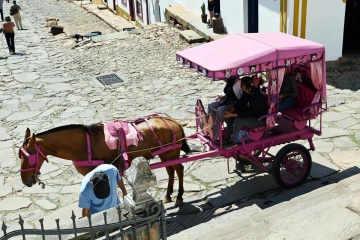
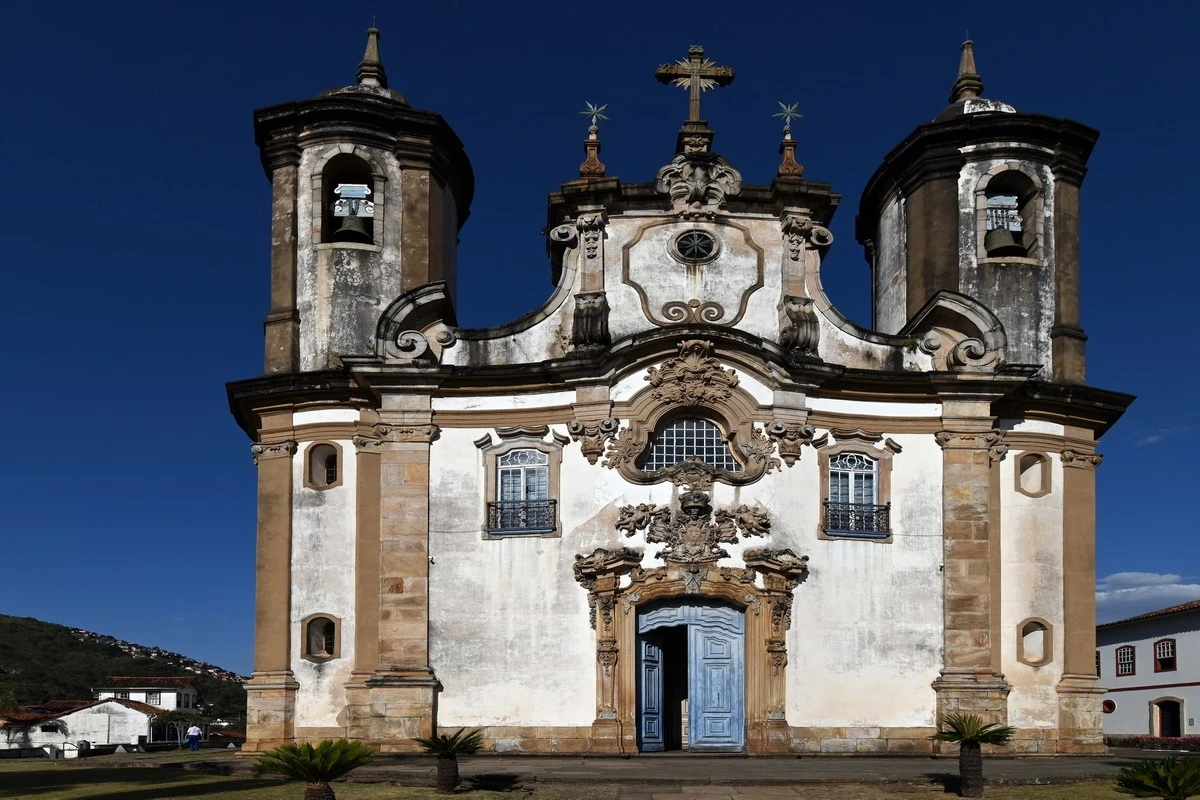
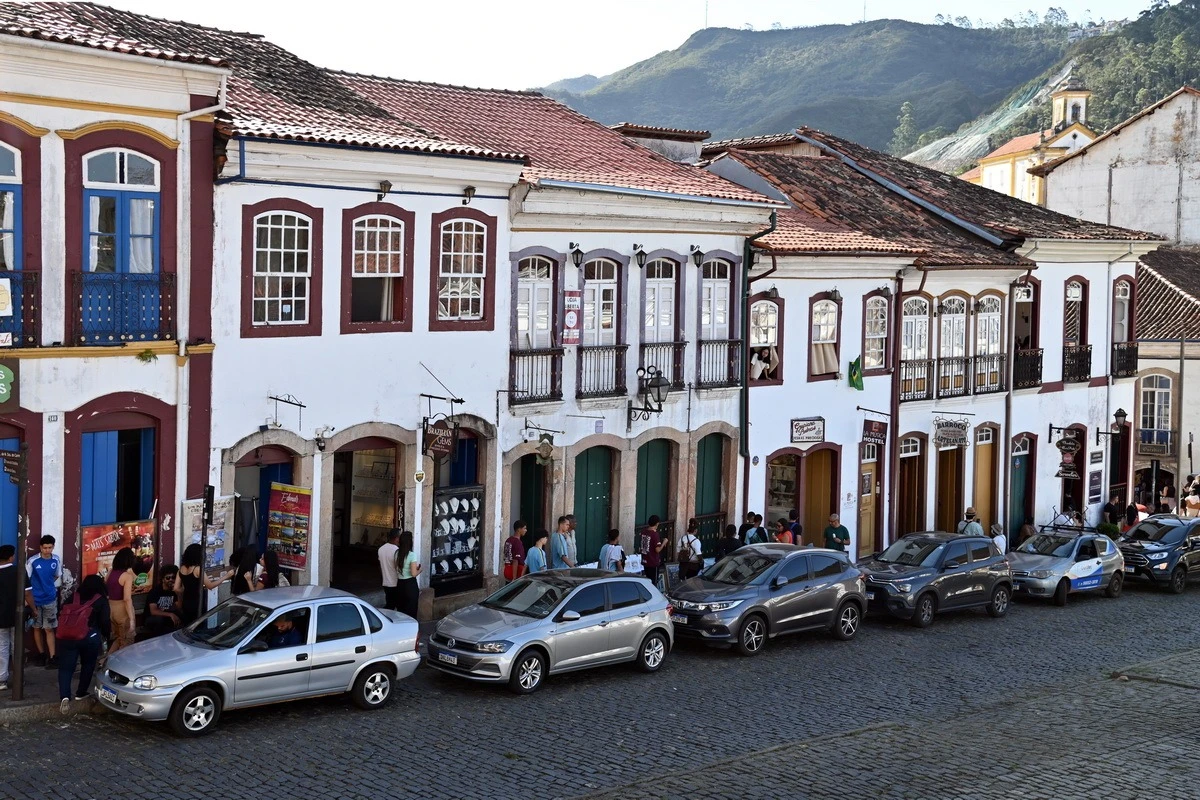
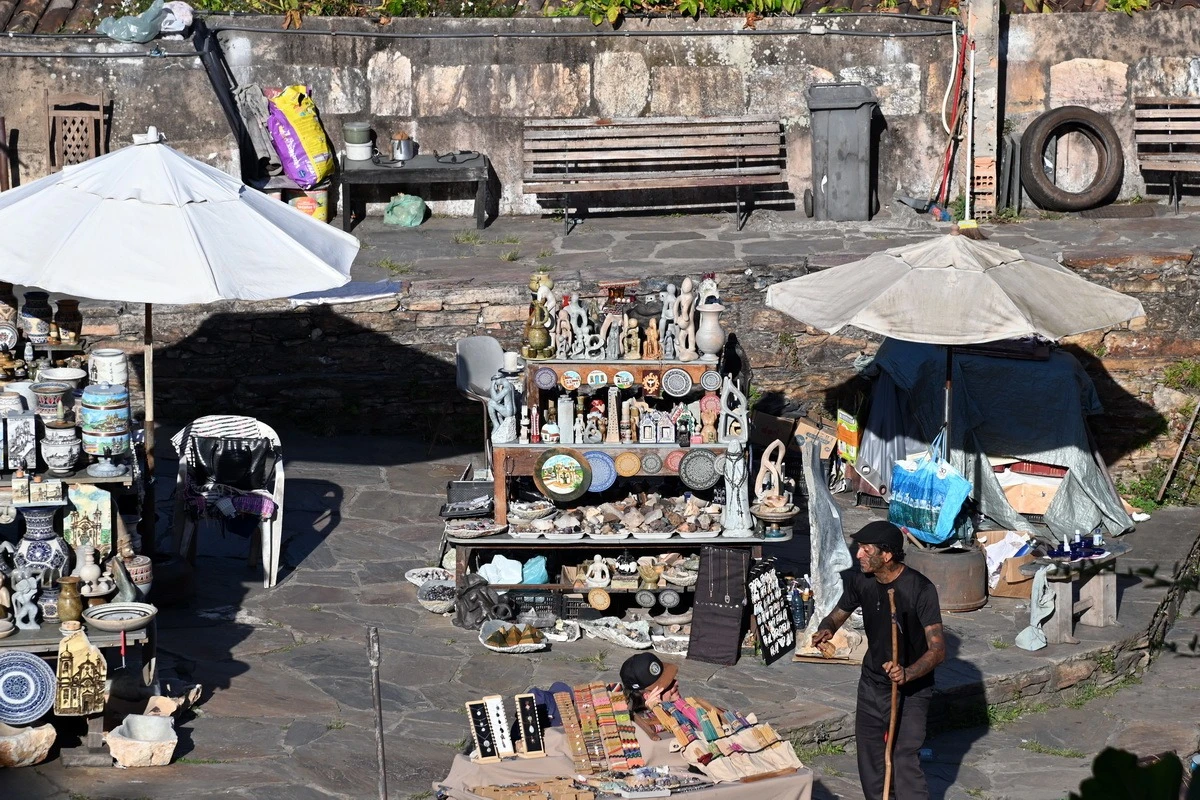
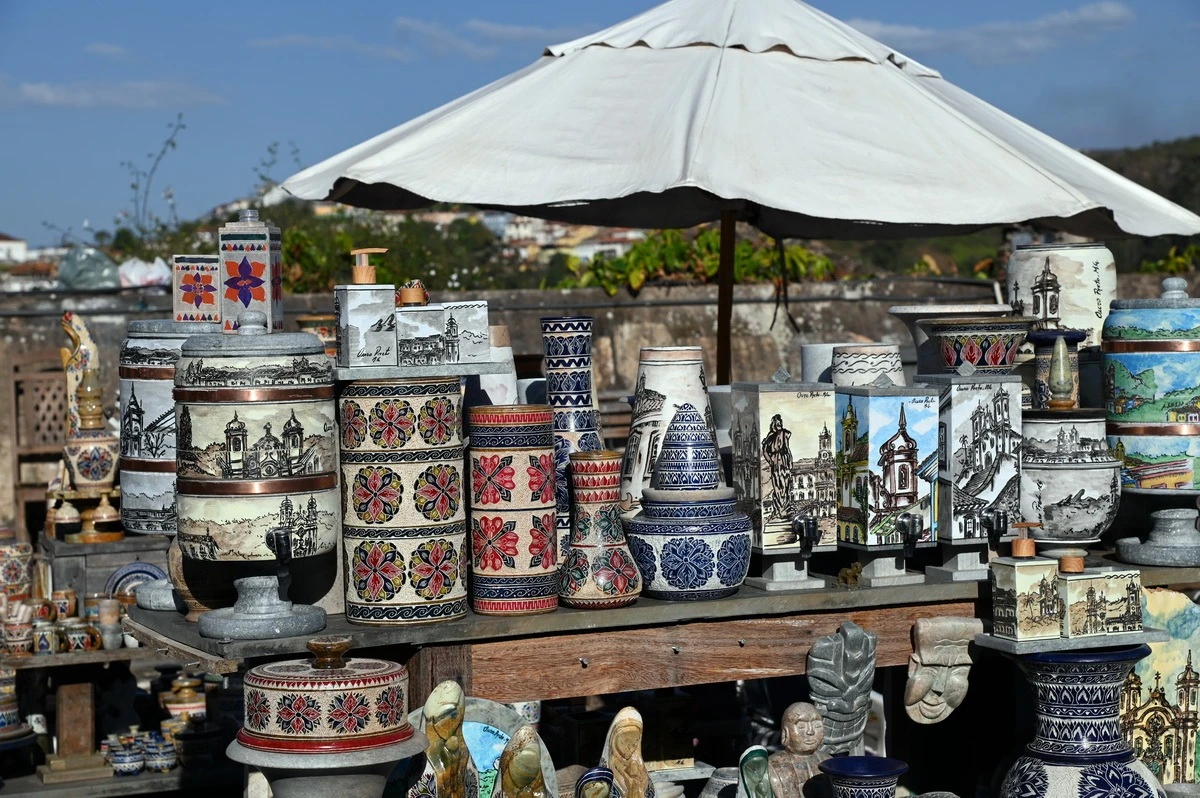
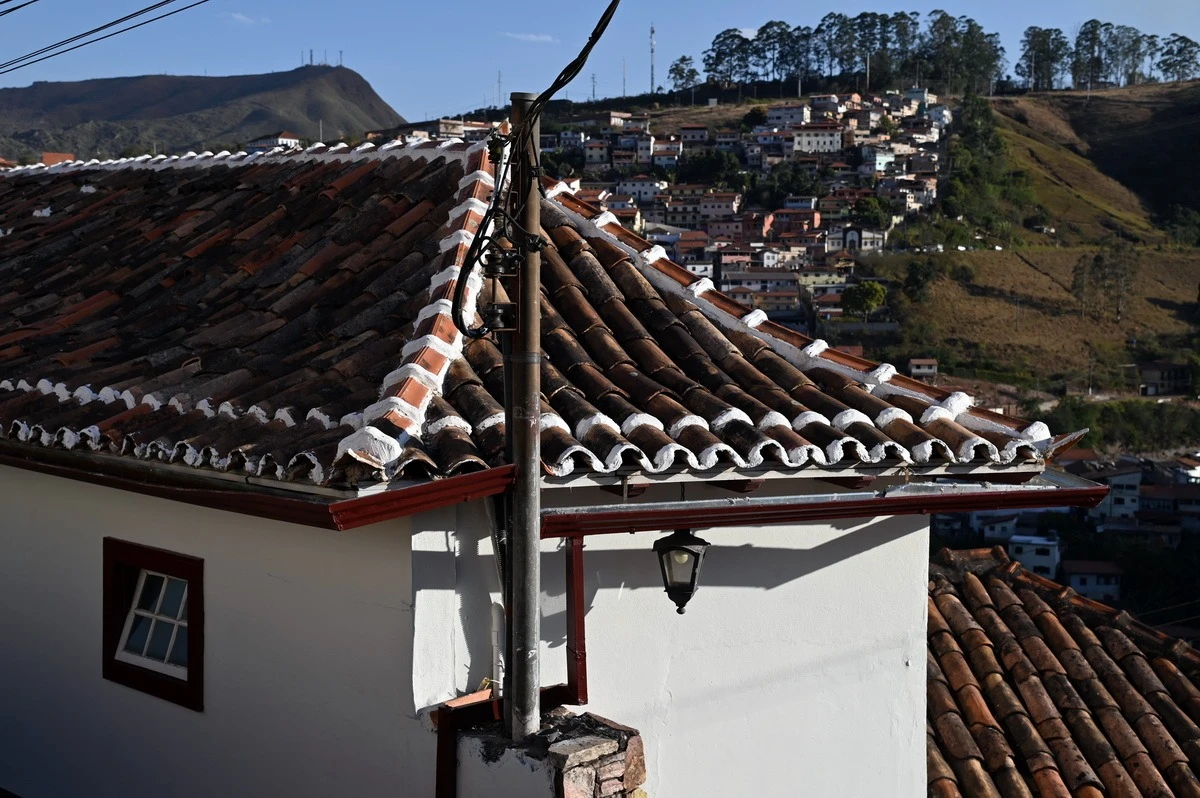
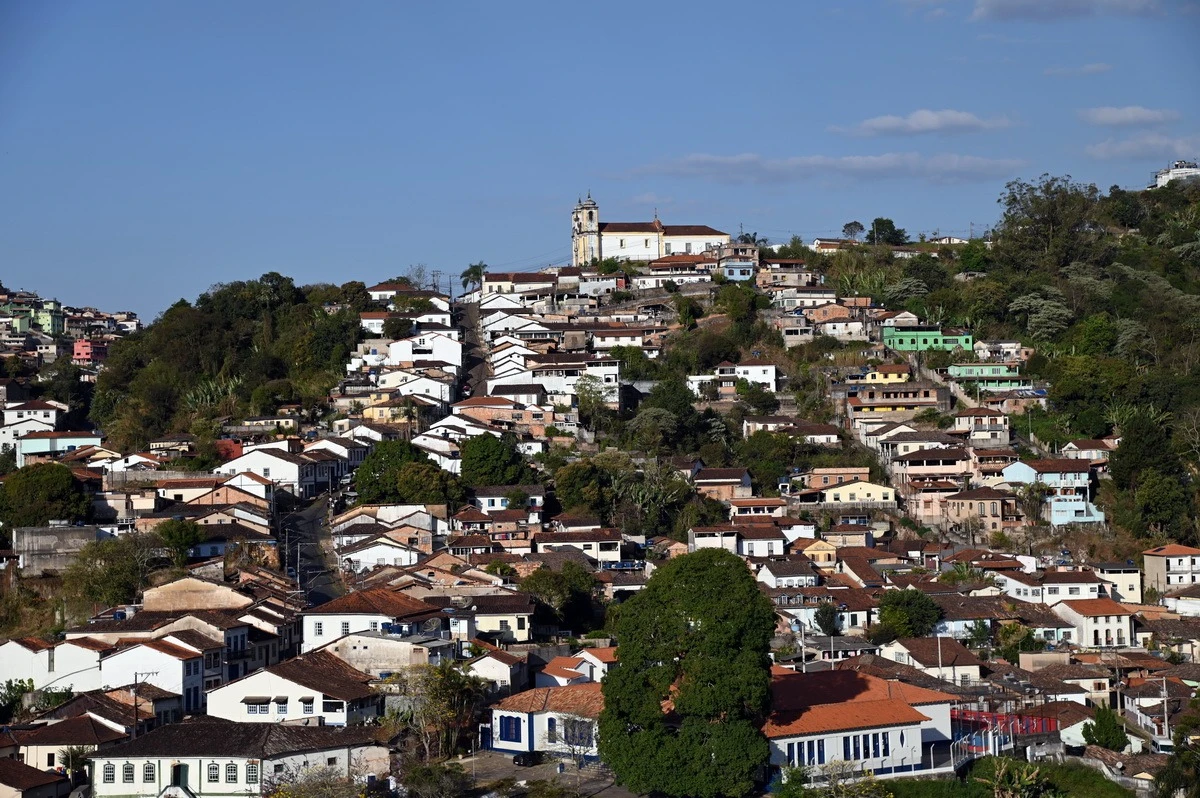
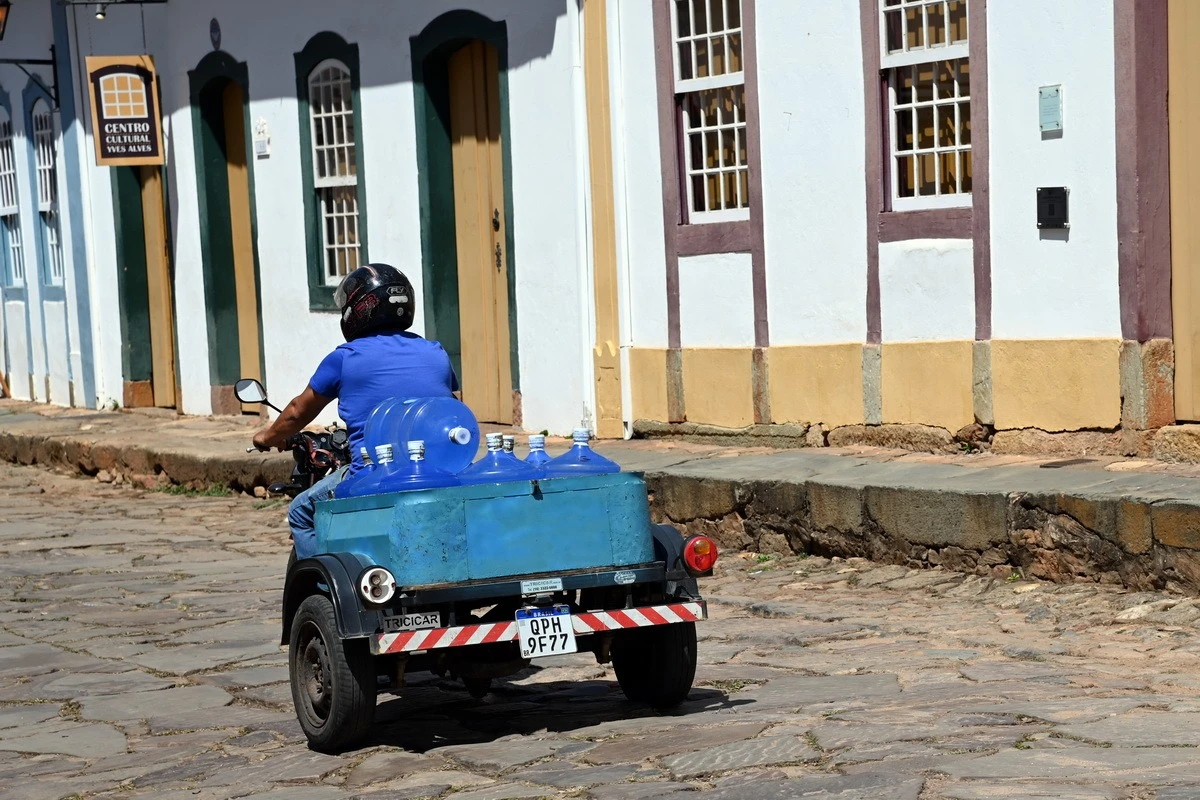
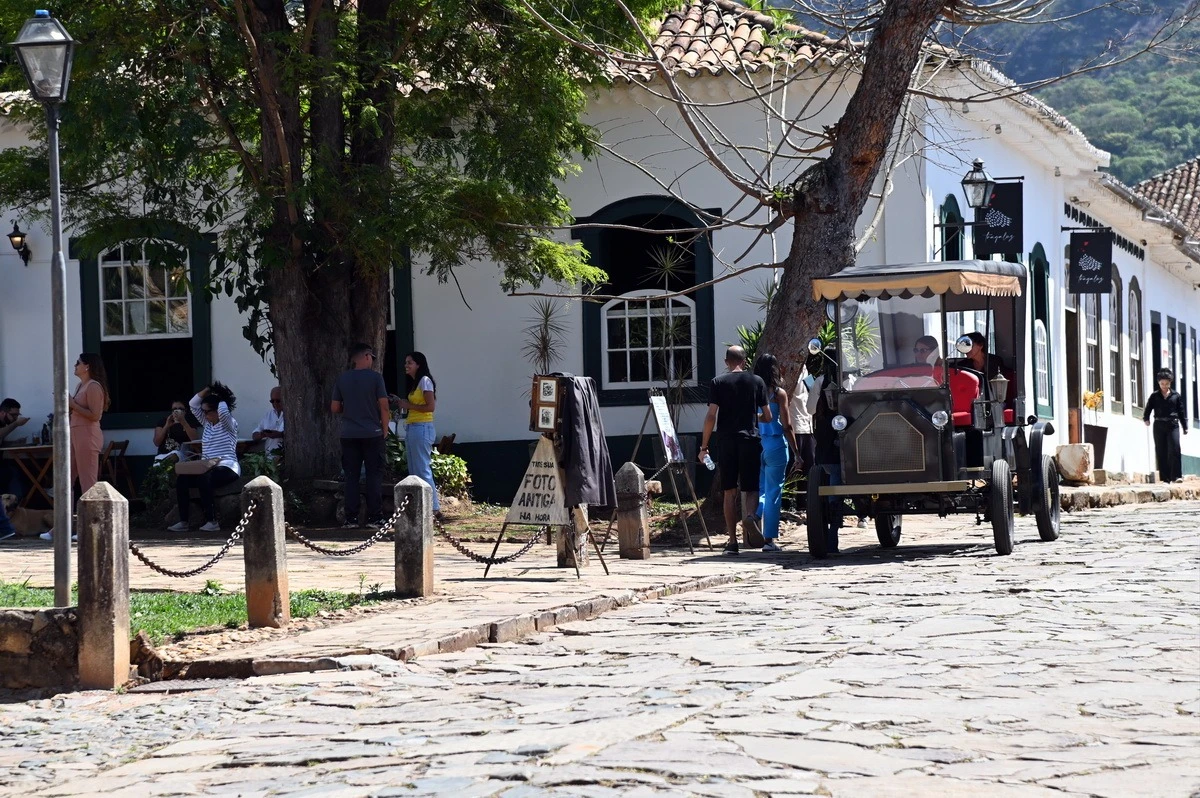
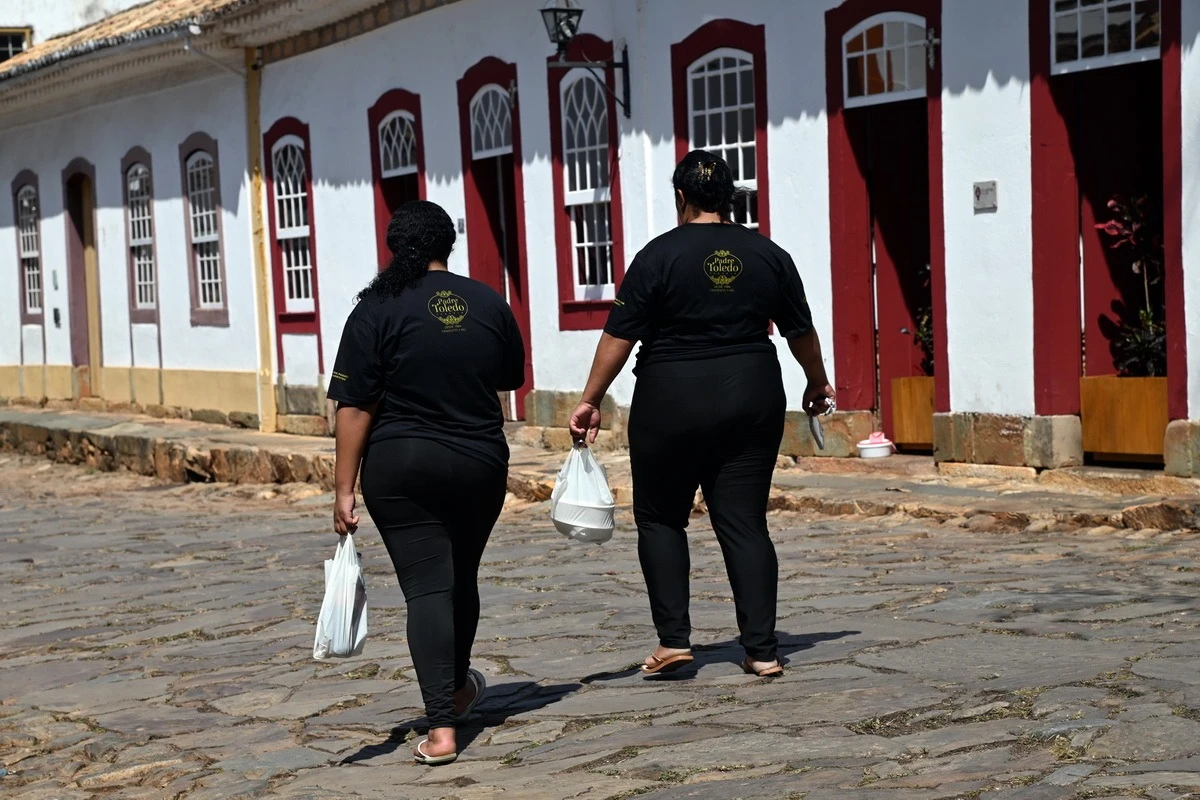
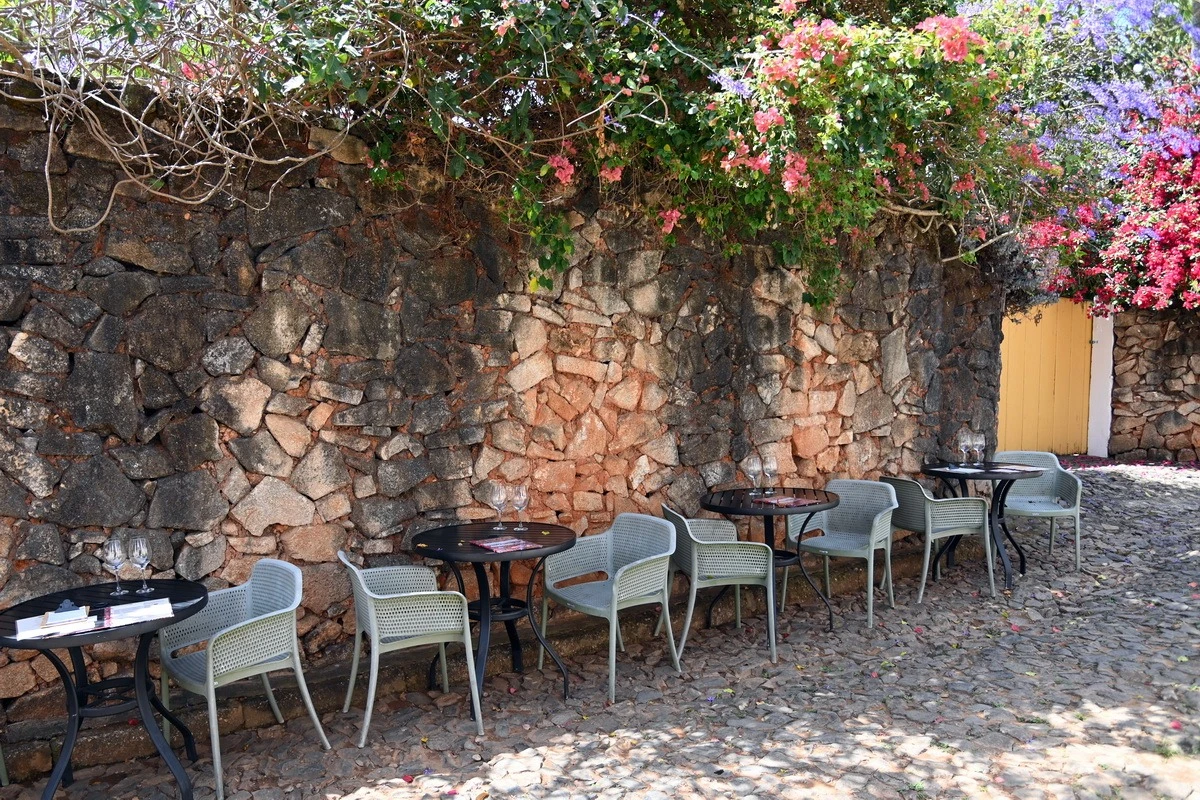
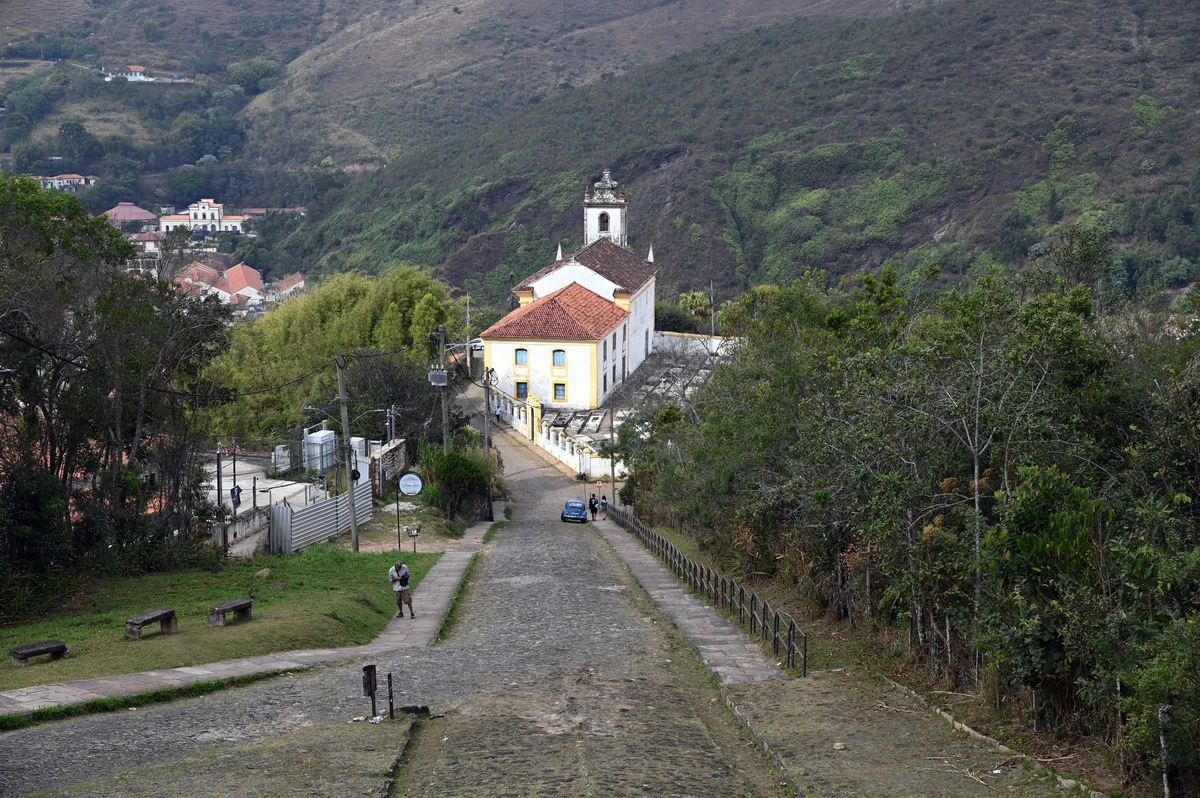
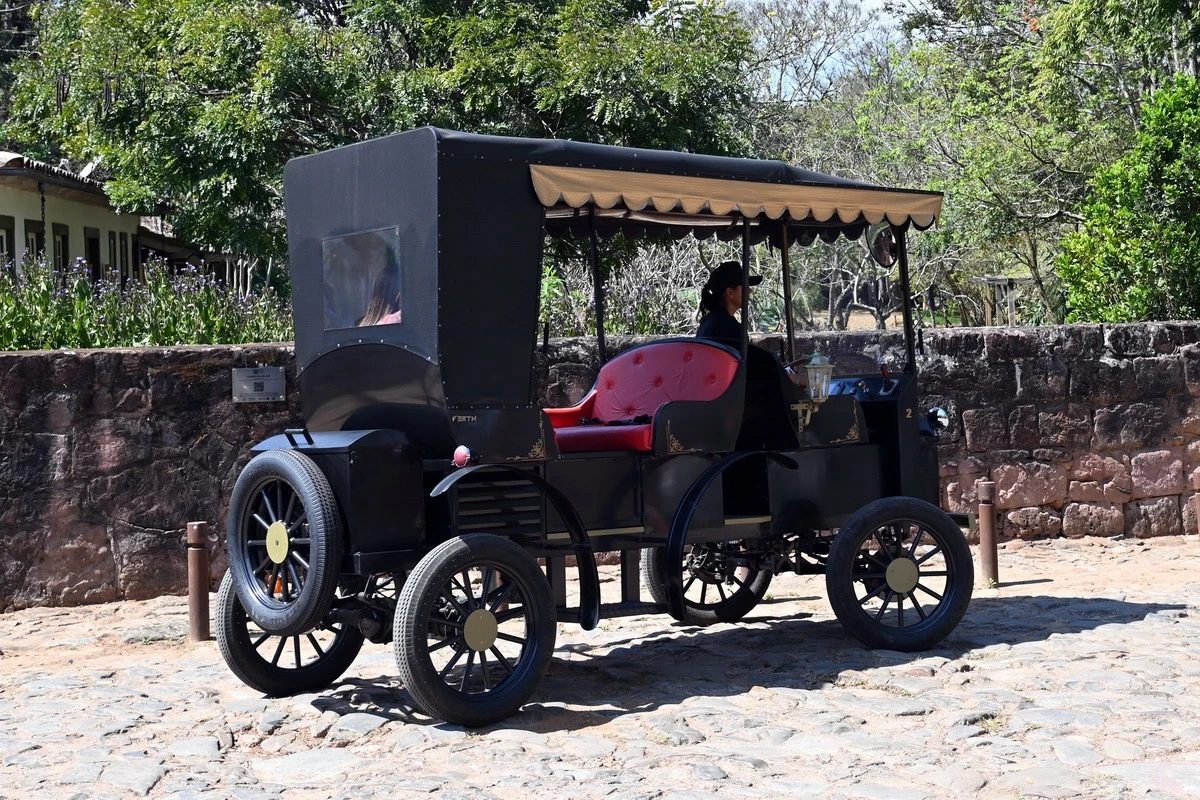
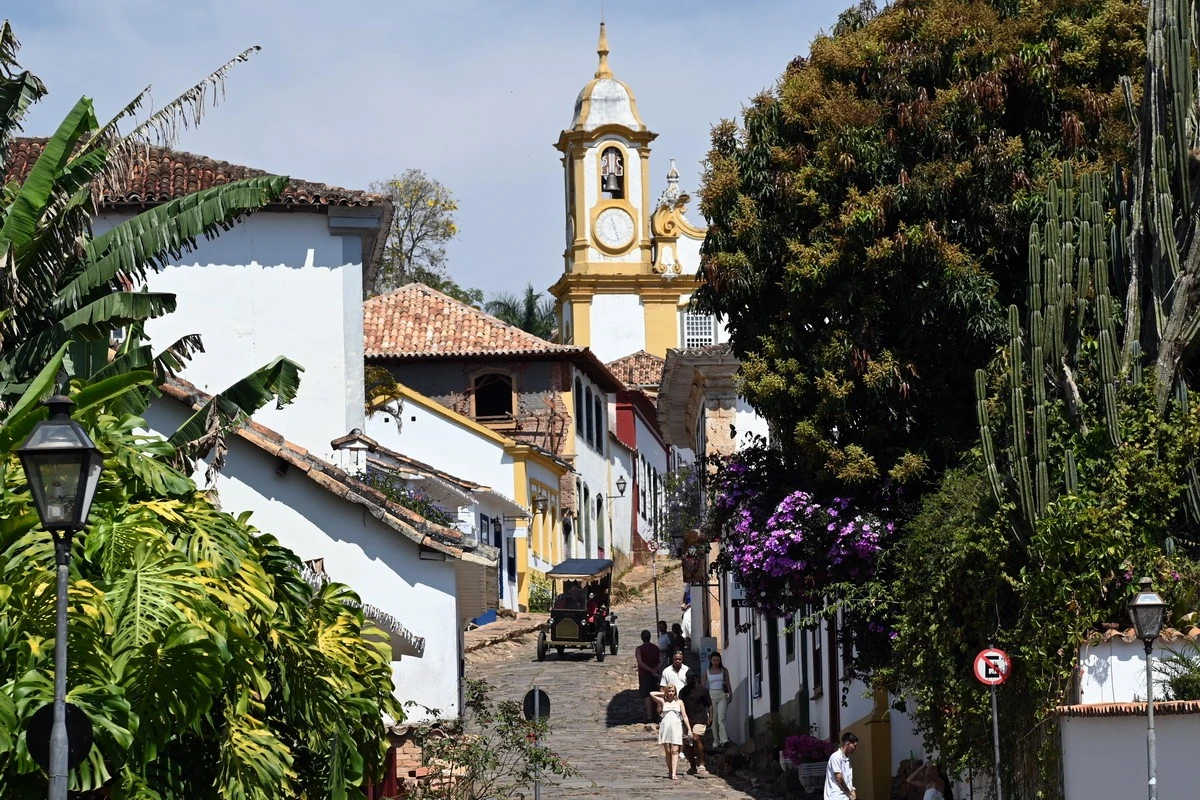
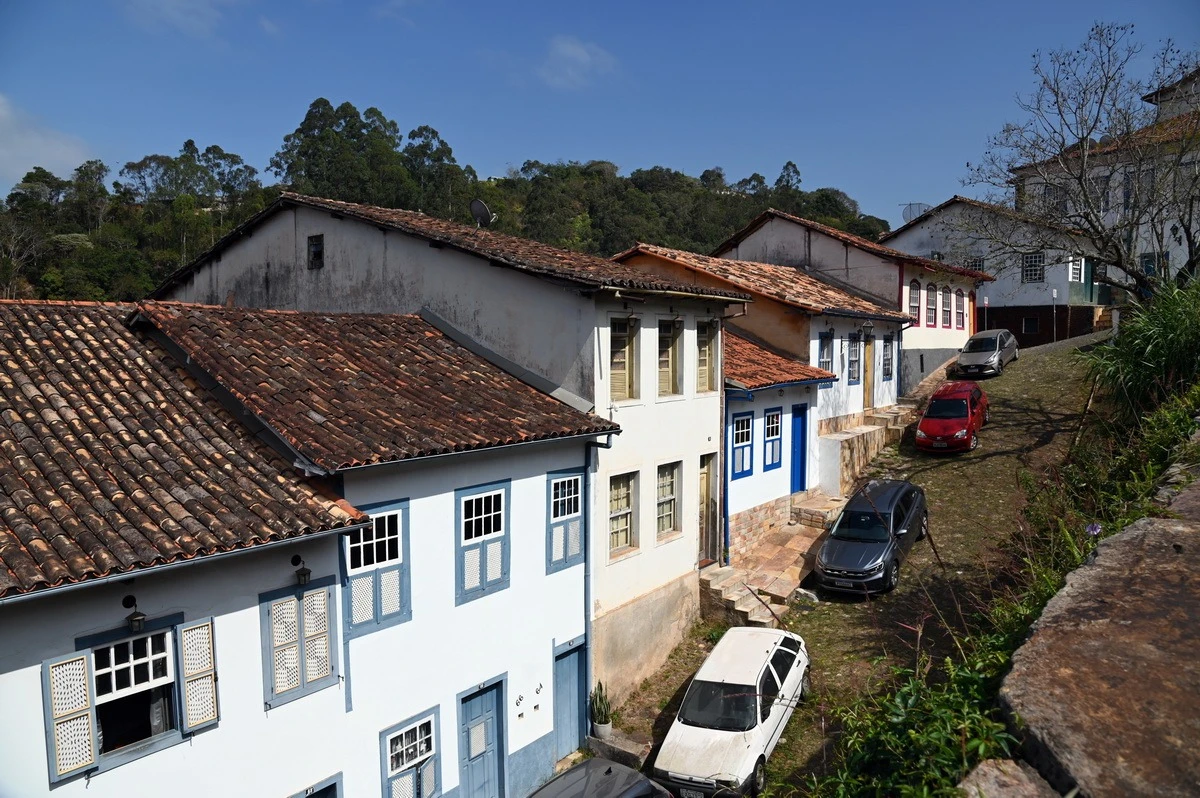
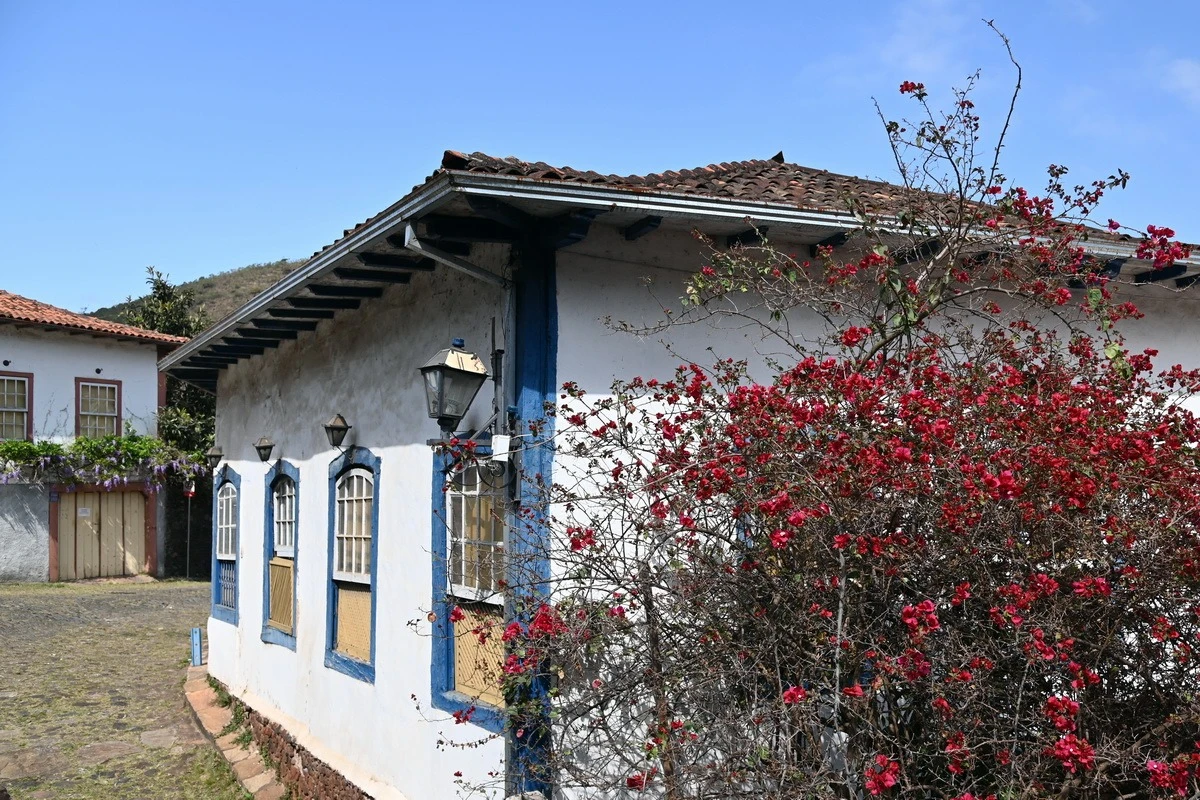
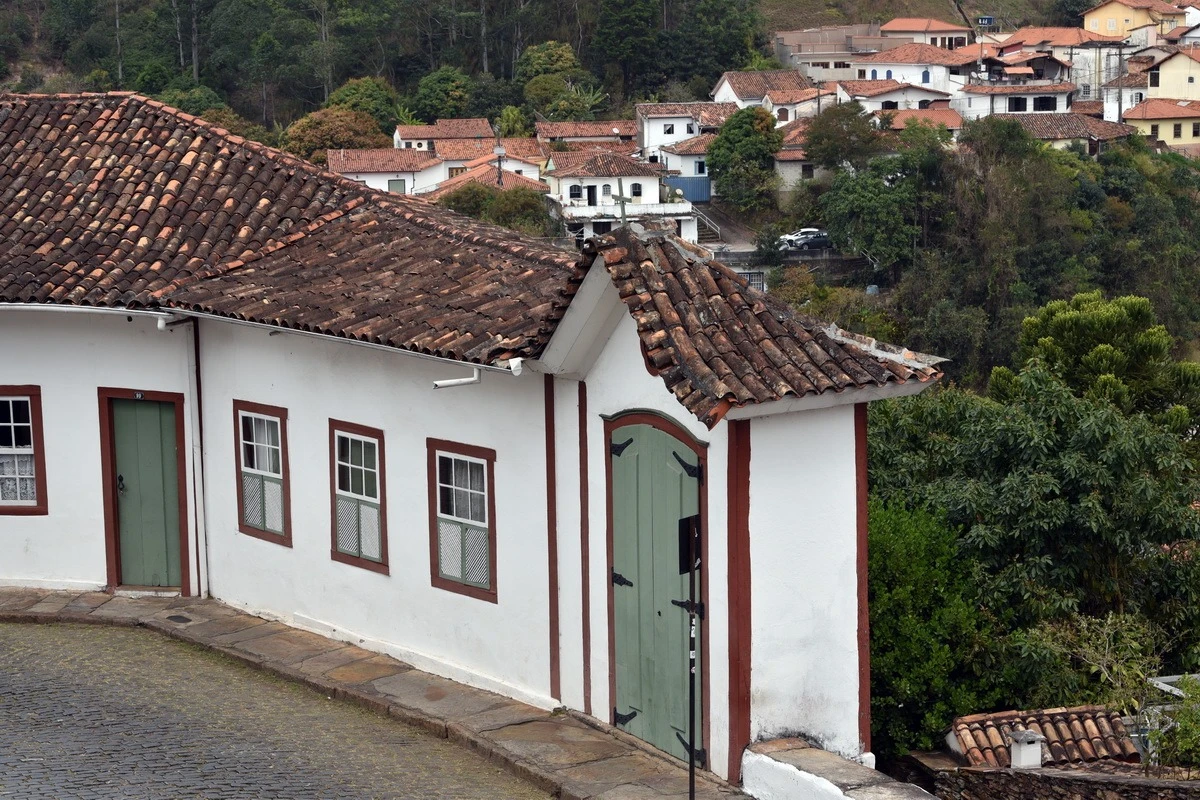
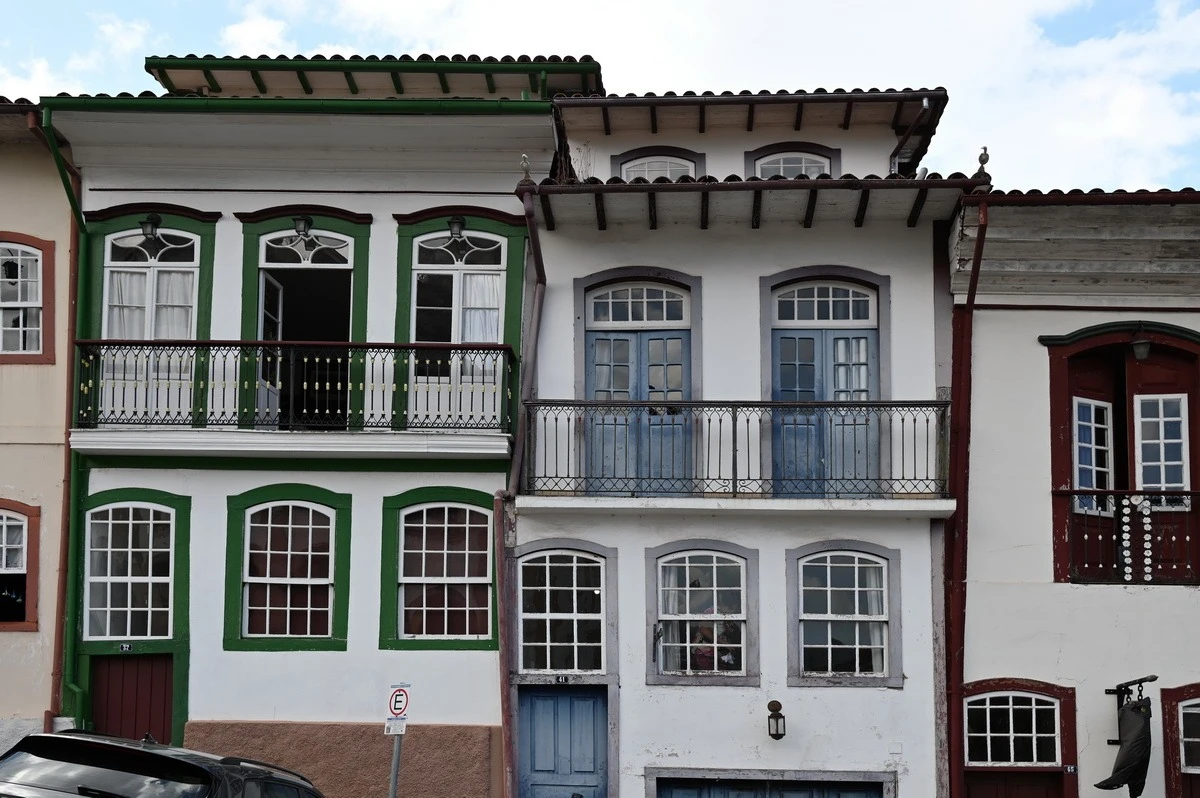
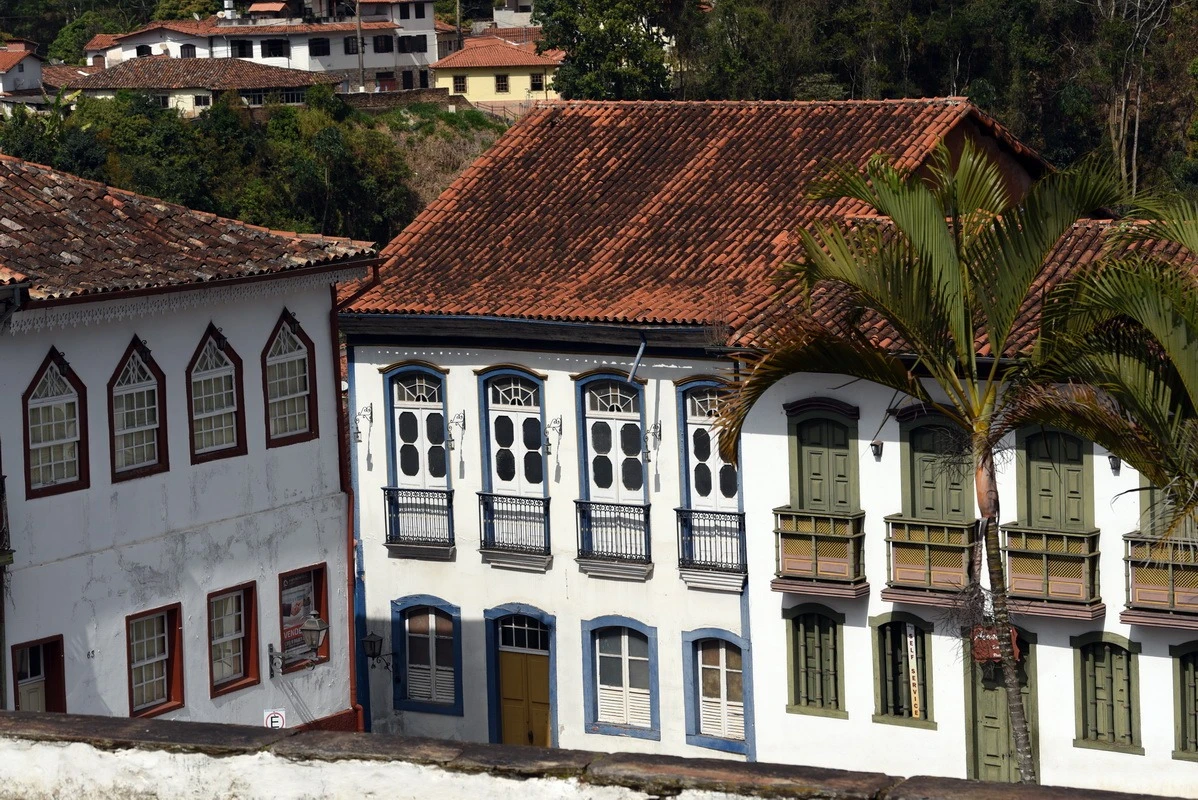
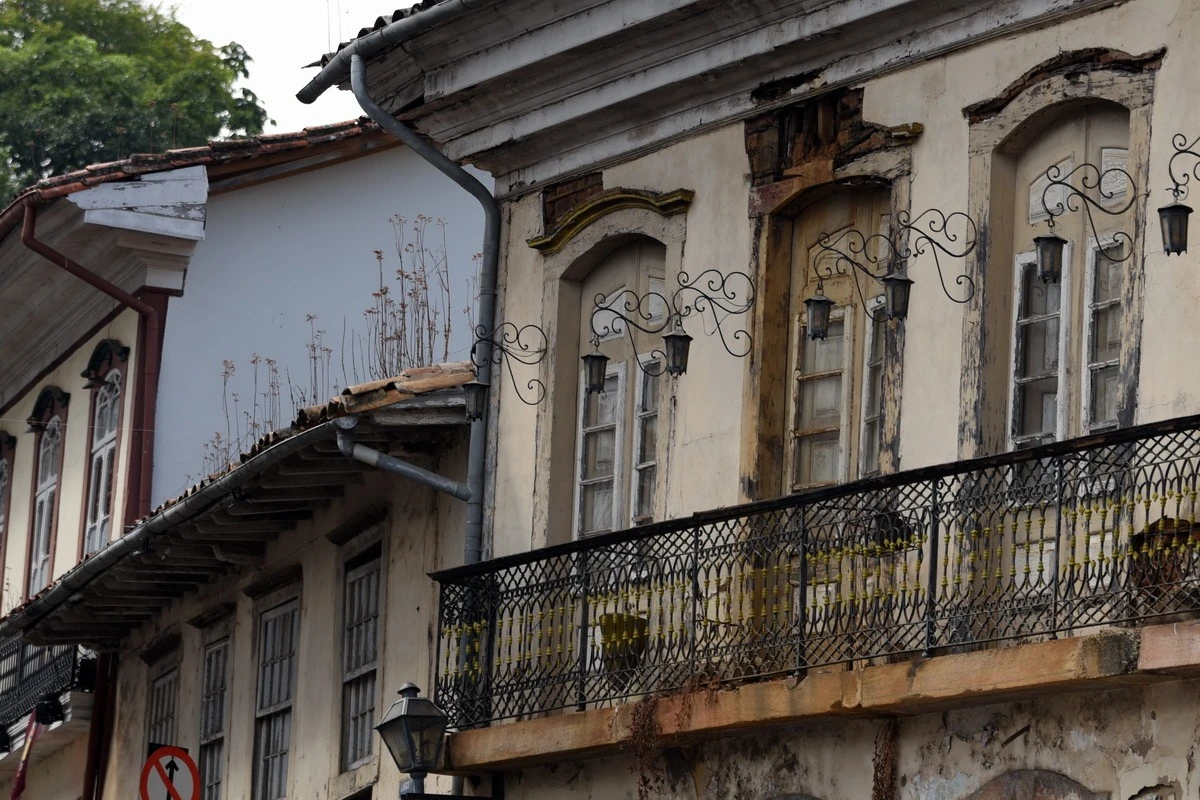
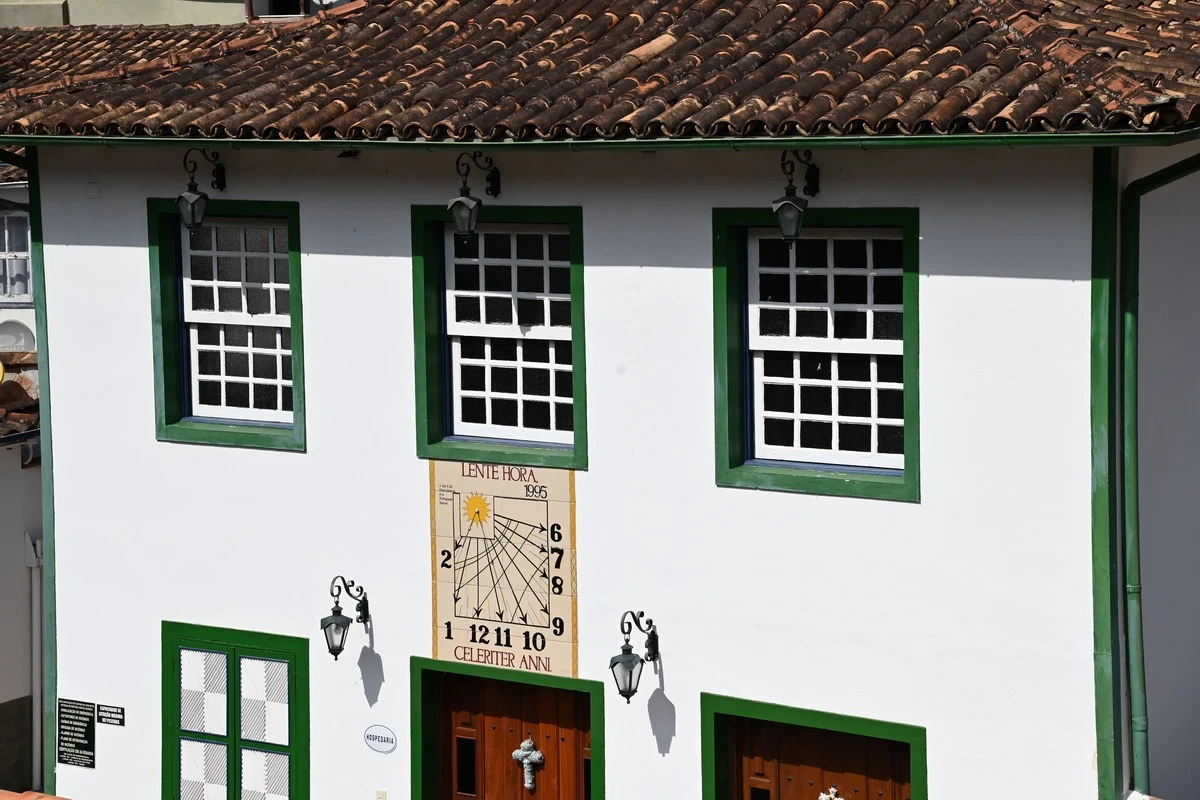
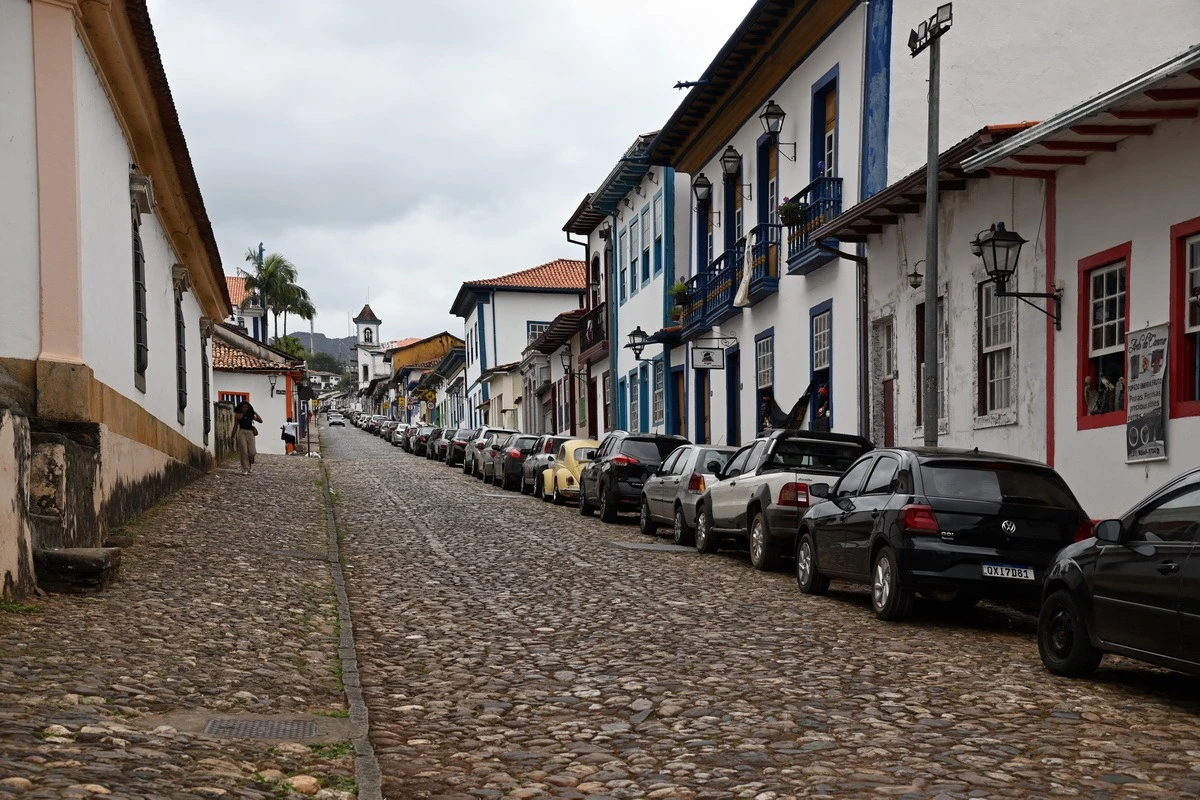
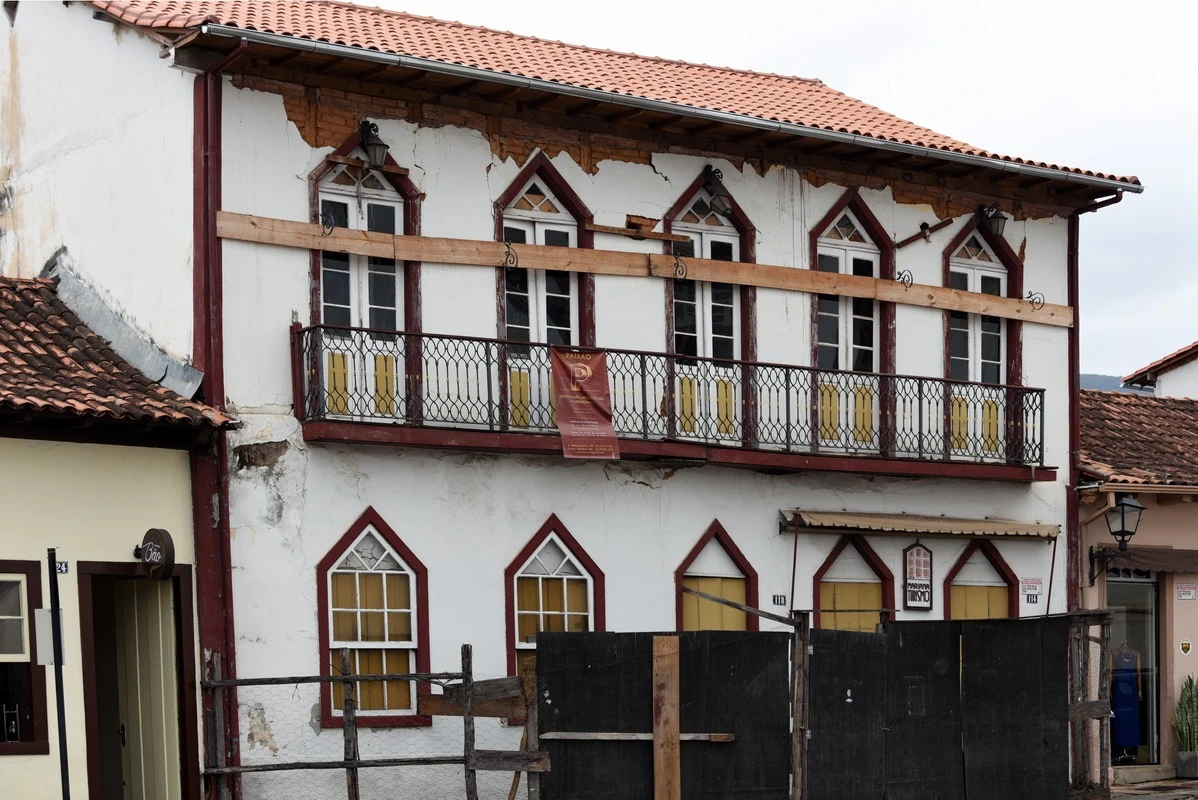
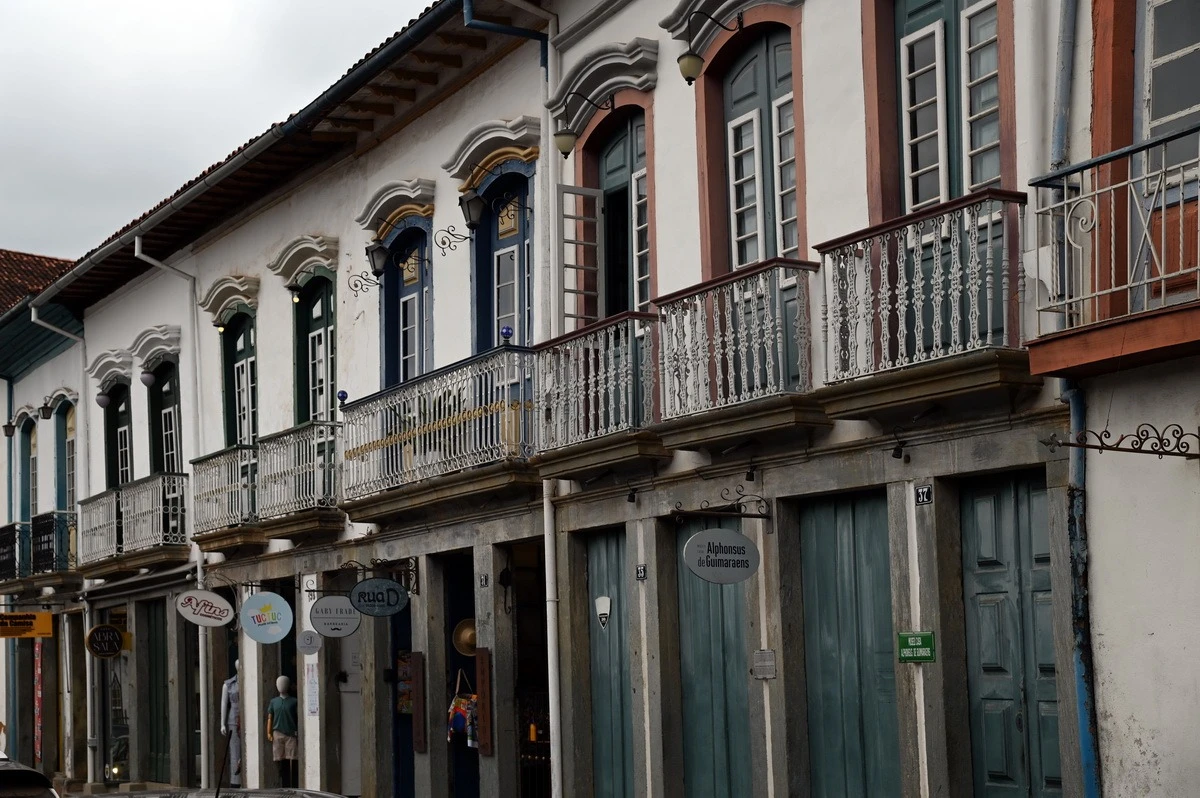
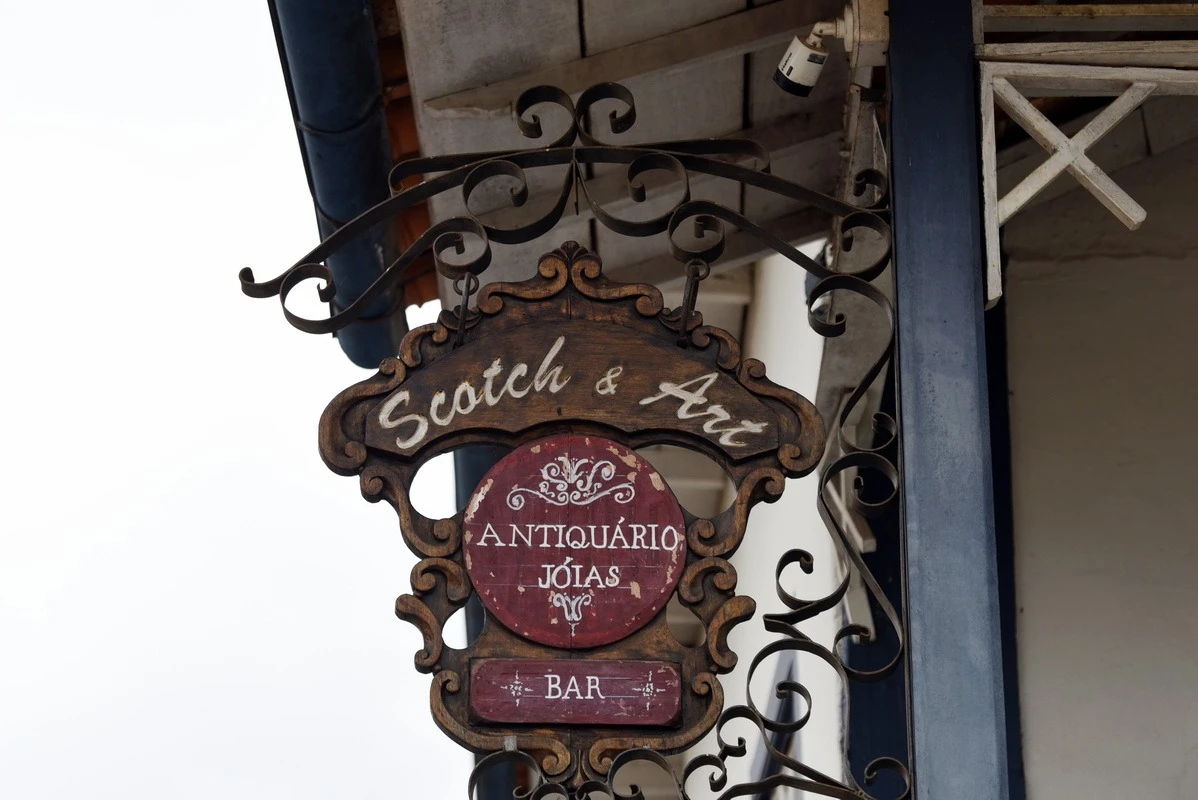
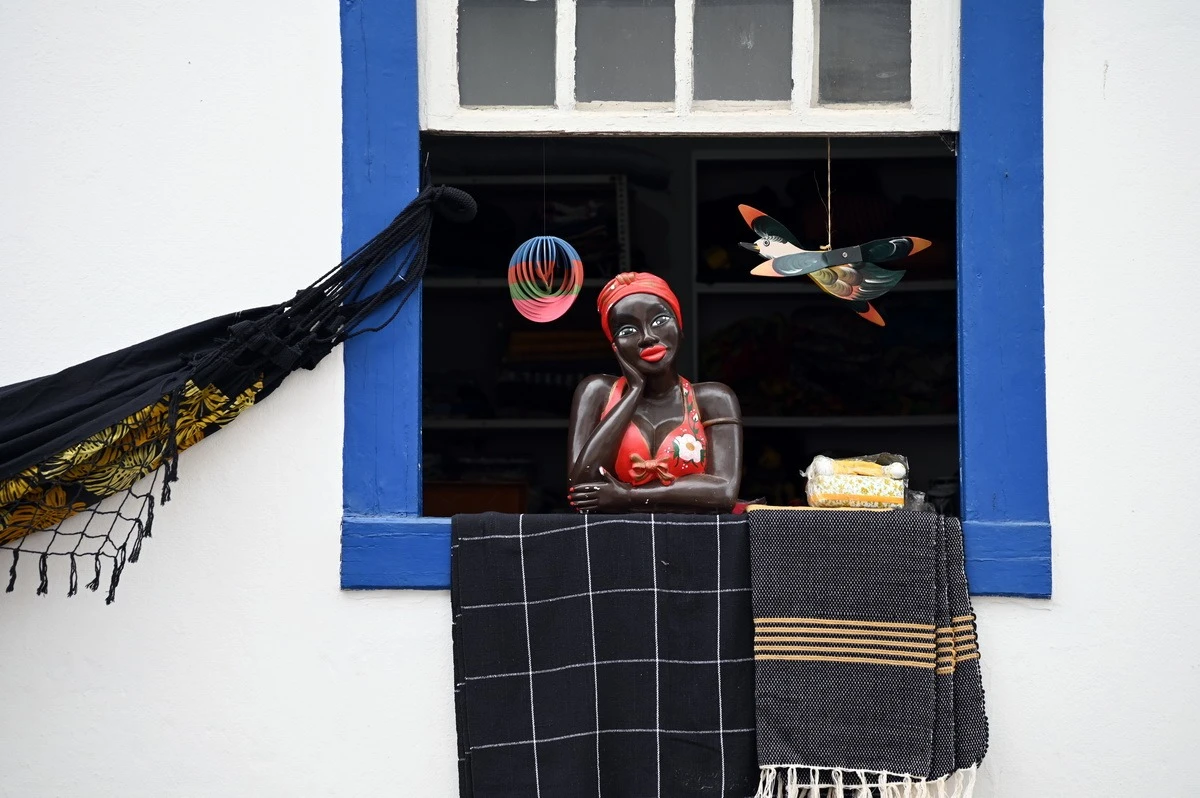
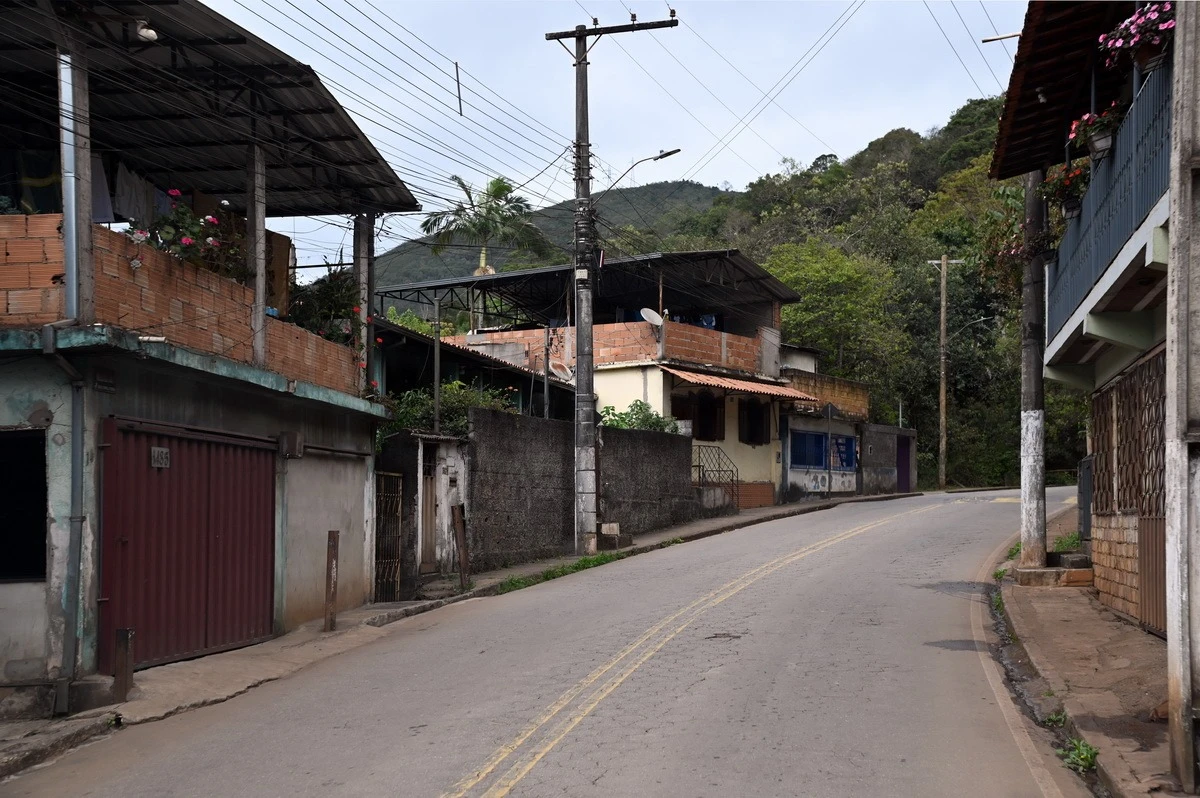
Tiradentes is one of Brazil’s most charming colonial towns. To this day, the town retains its cobblestone streets, historic mansions, and Baroque churches, which tell the story of one of the country’s most significant eras. The town is like a living open-air museum, with
culture and tradition around every corner. Tiradentes sights can easily be explored on foot. Since Tiradentes is located near Rio de Janeiro, it’s a top tourist destination. It gets very busy here in the summer and at weekends. We’re glad we visited on a weekday.
Photos to click:
Brazil: Tiradentes 2026
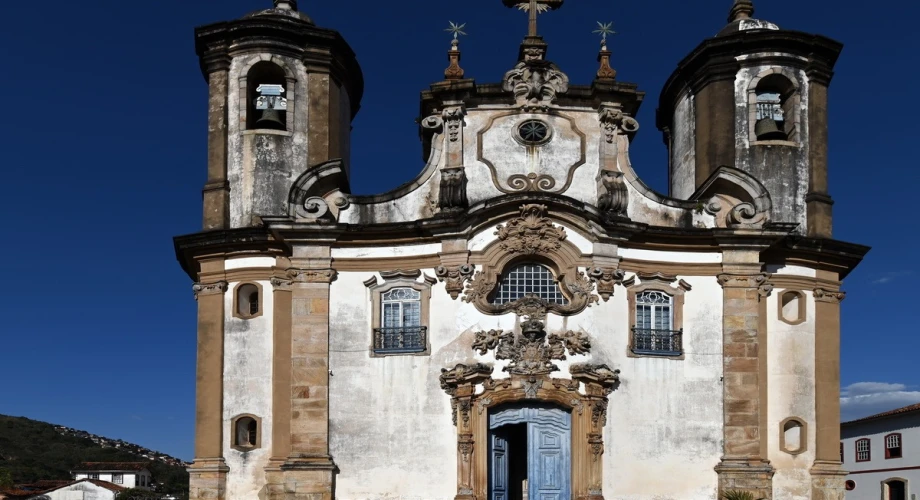




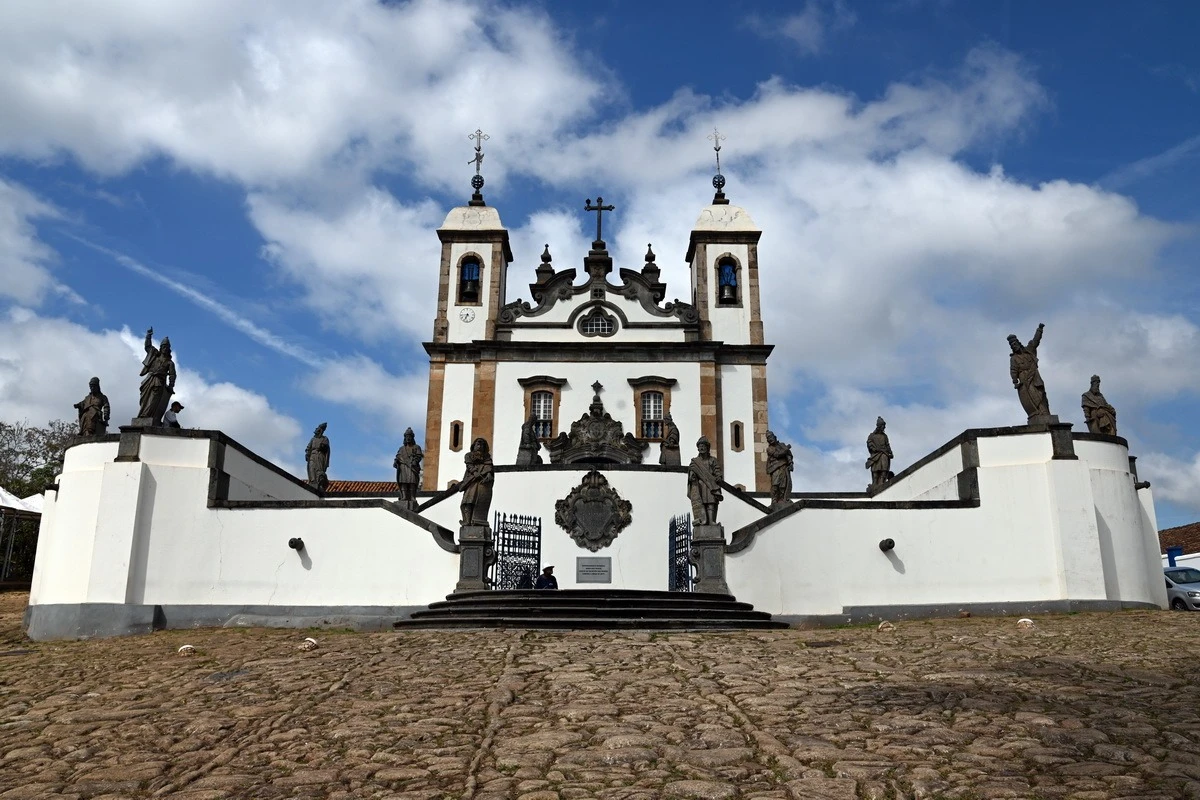
Baroque Churches in Ouro Preto, Mariana and Congonhas
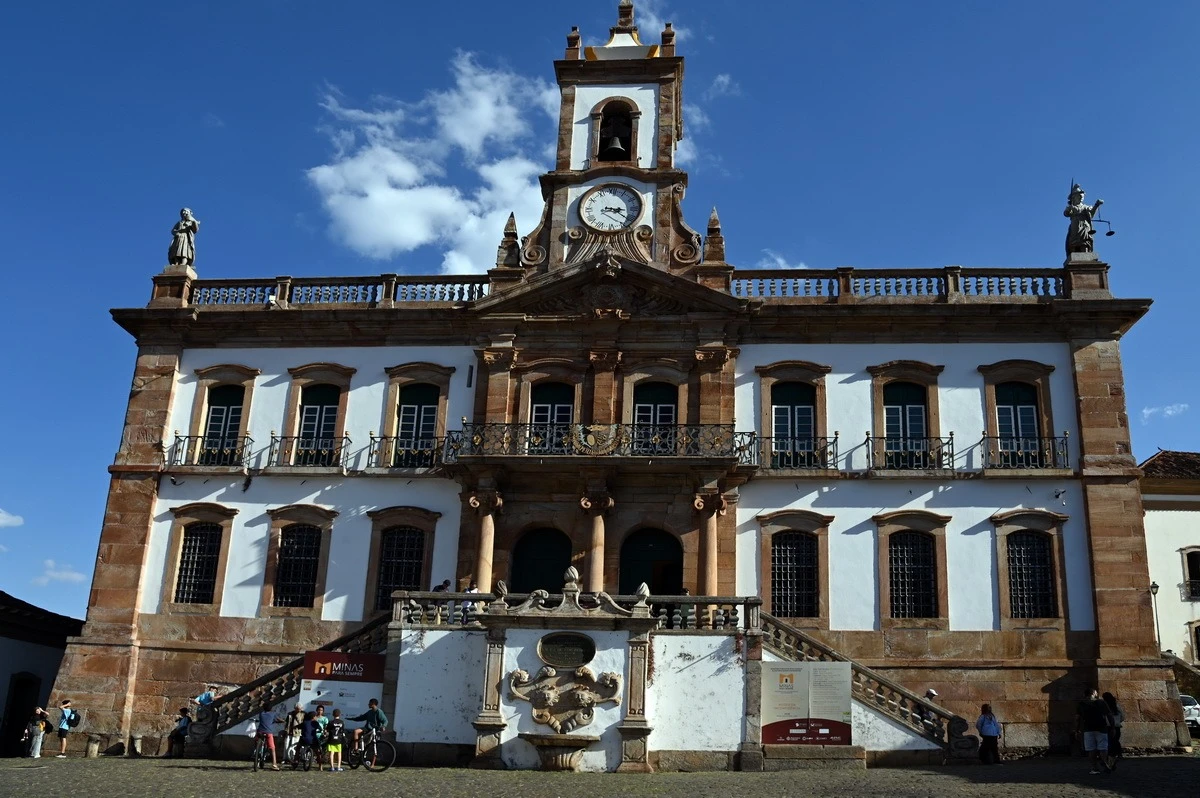
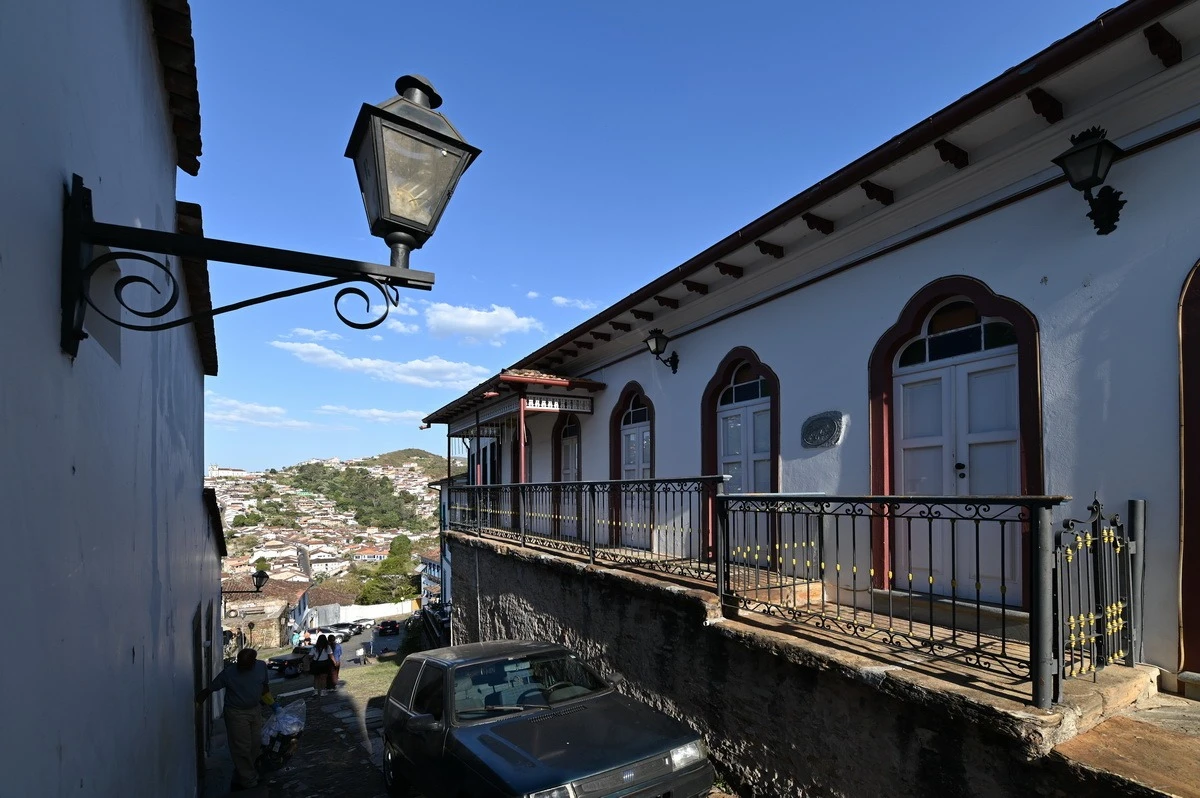
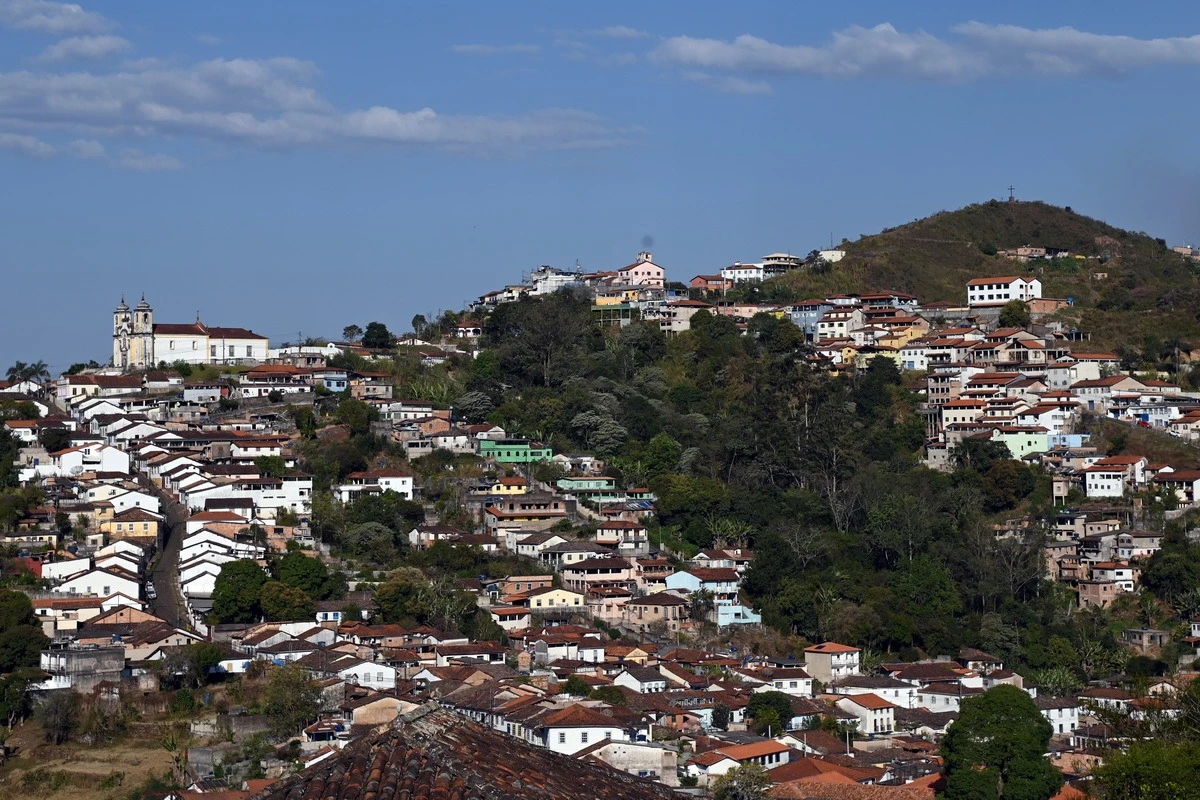
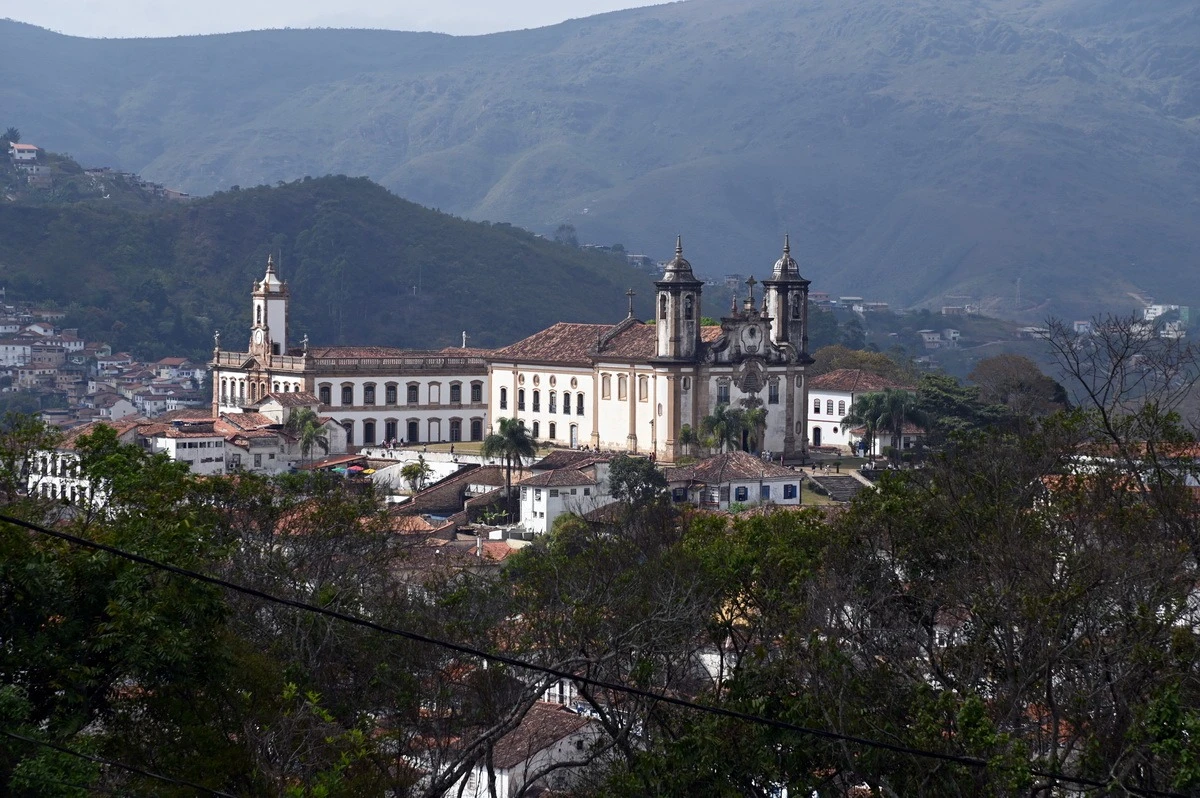
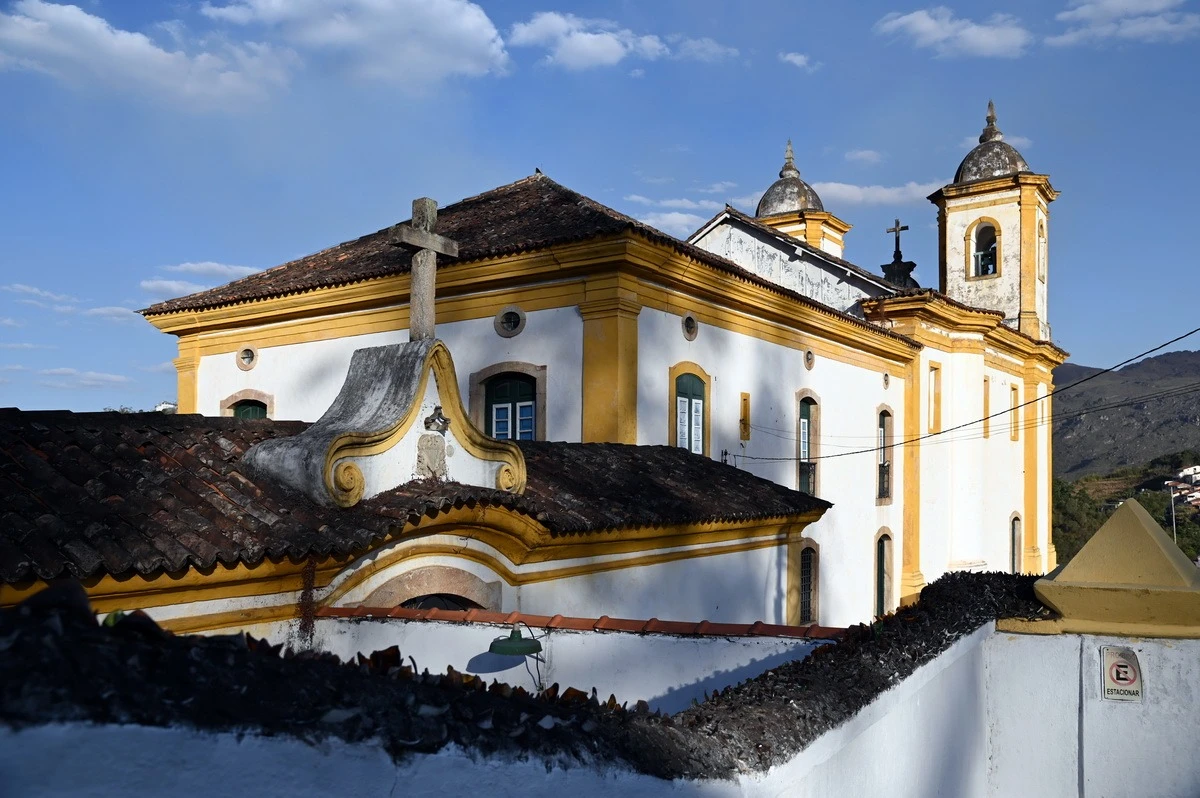
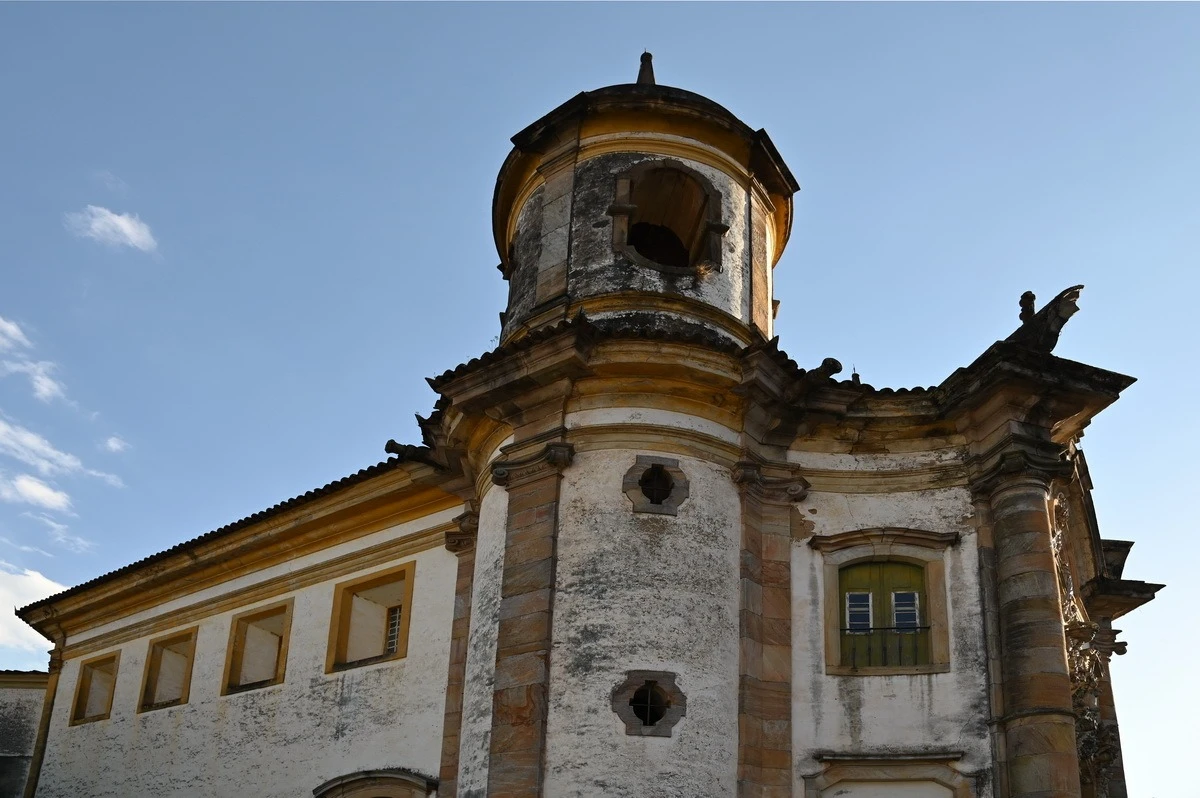
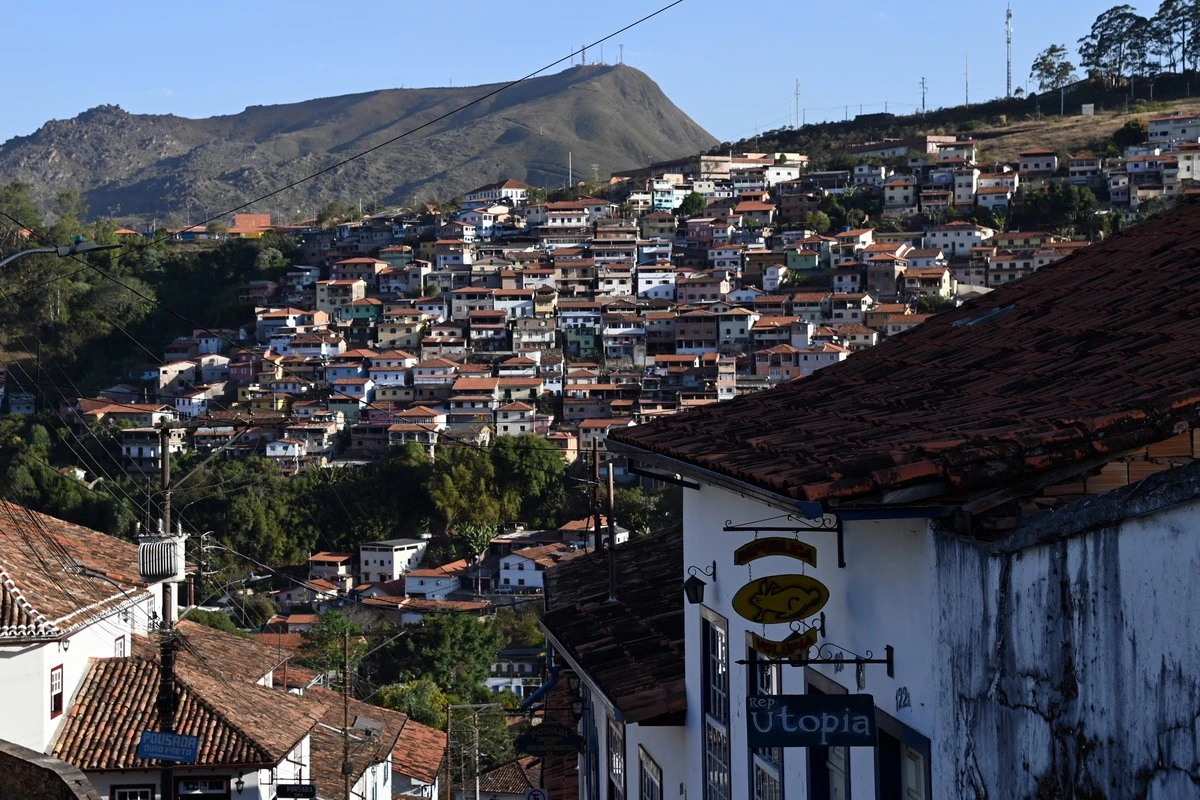
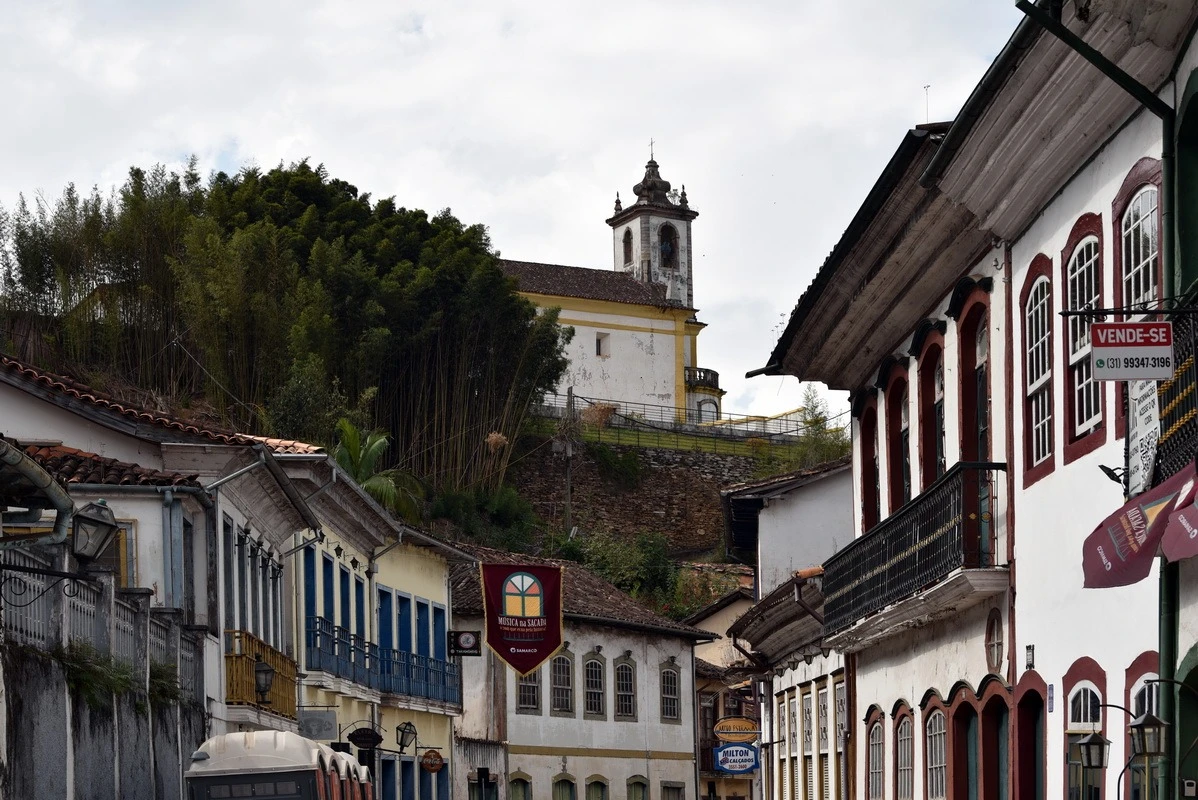
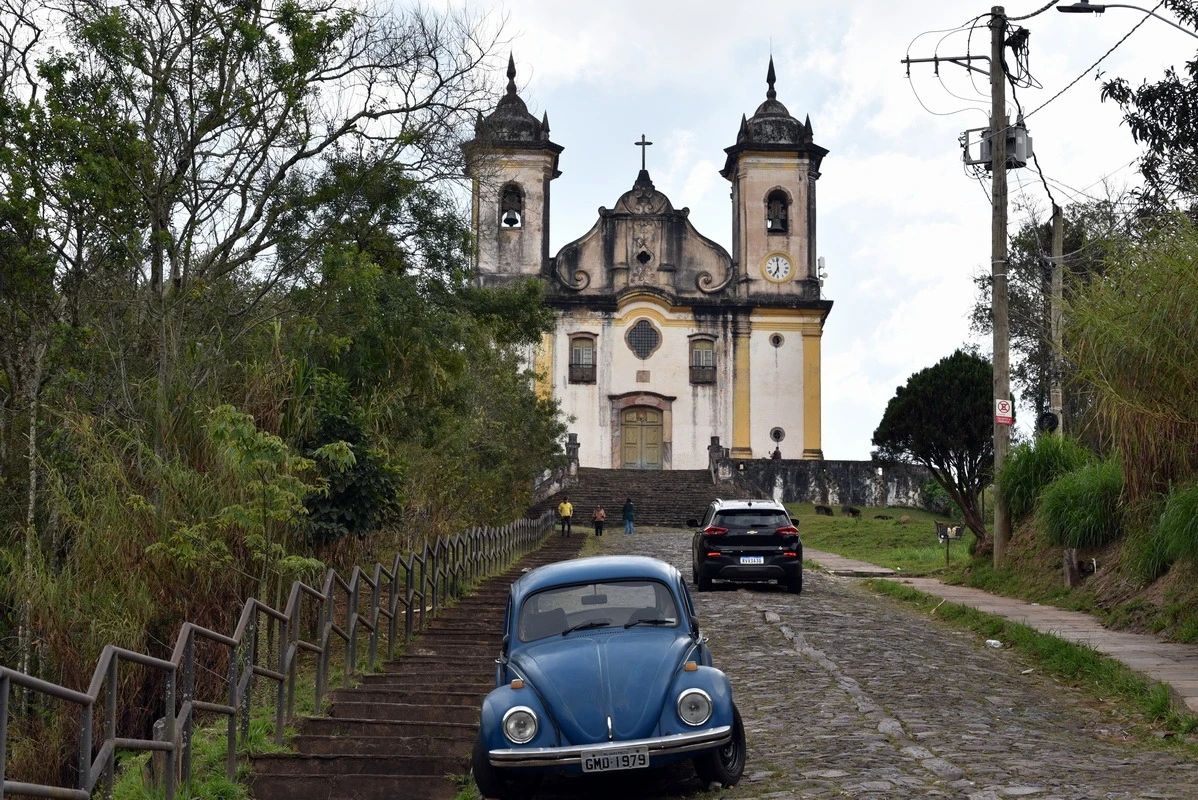
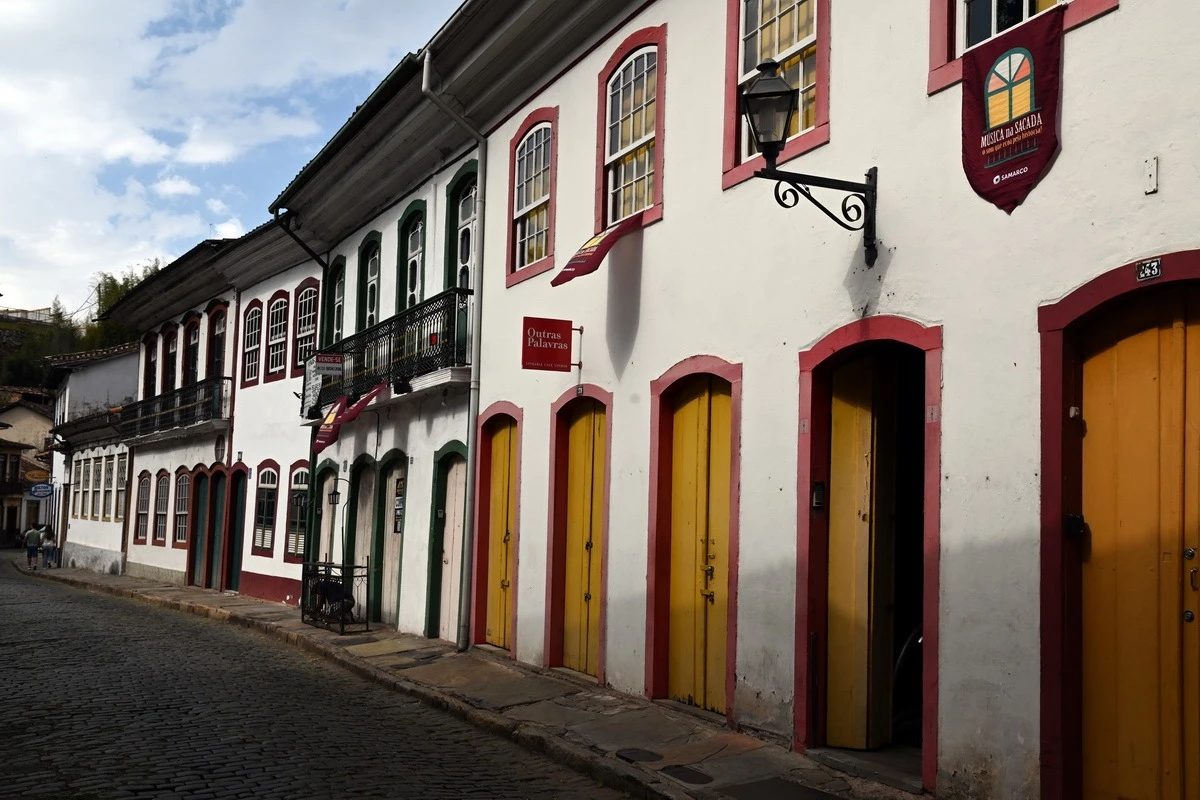
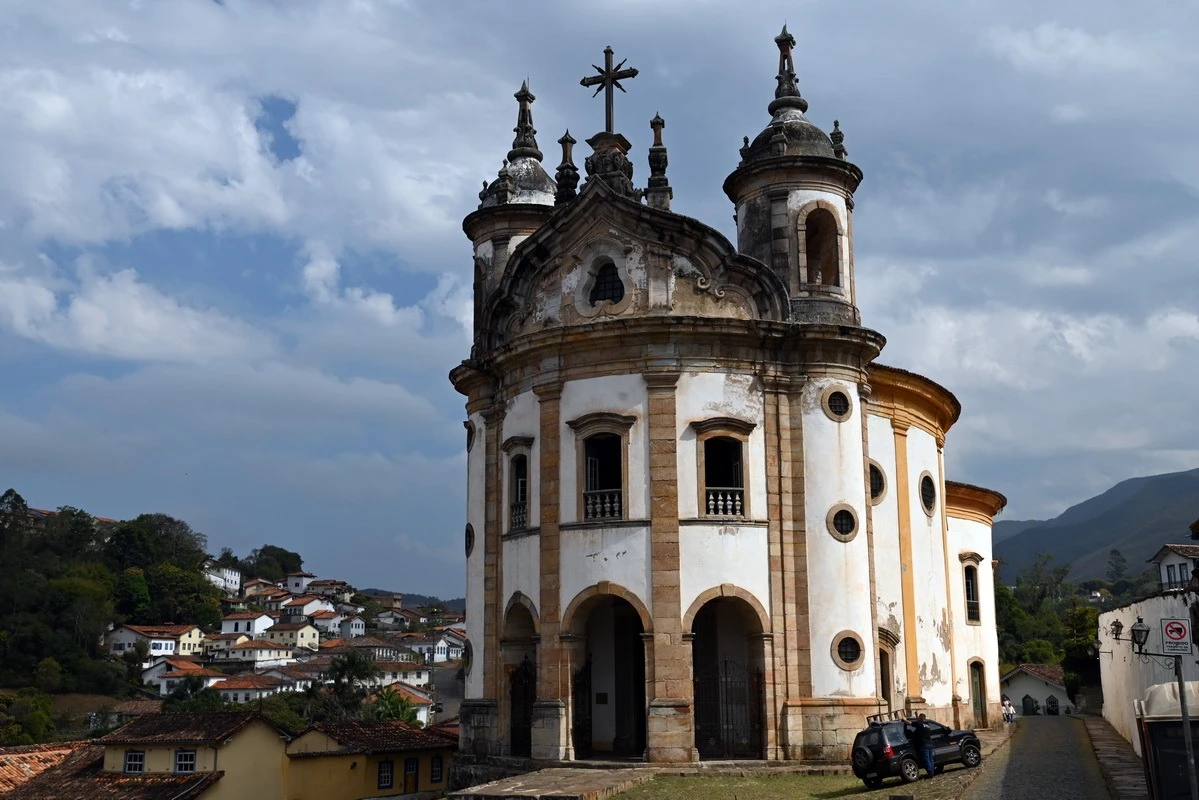
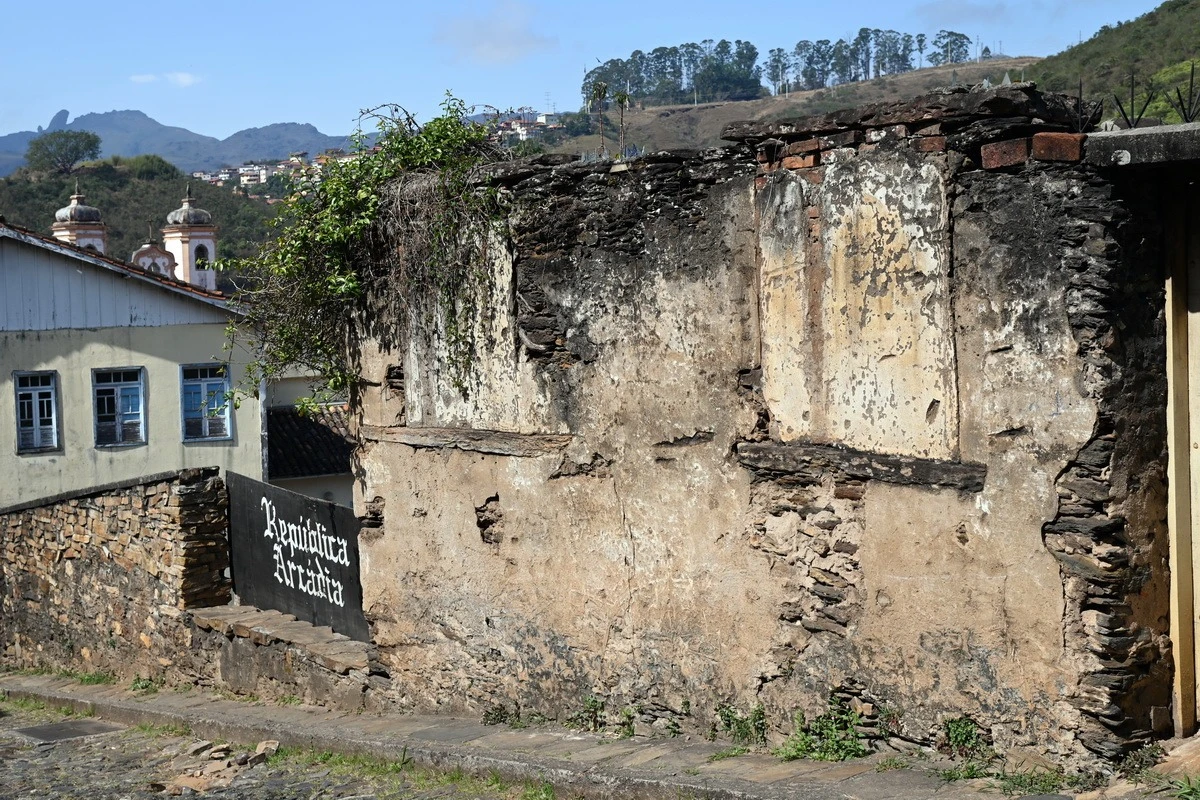
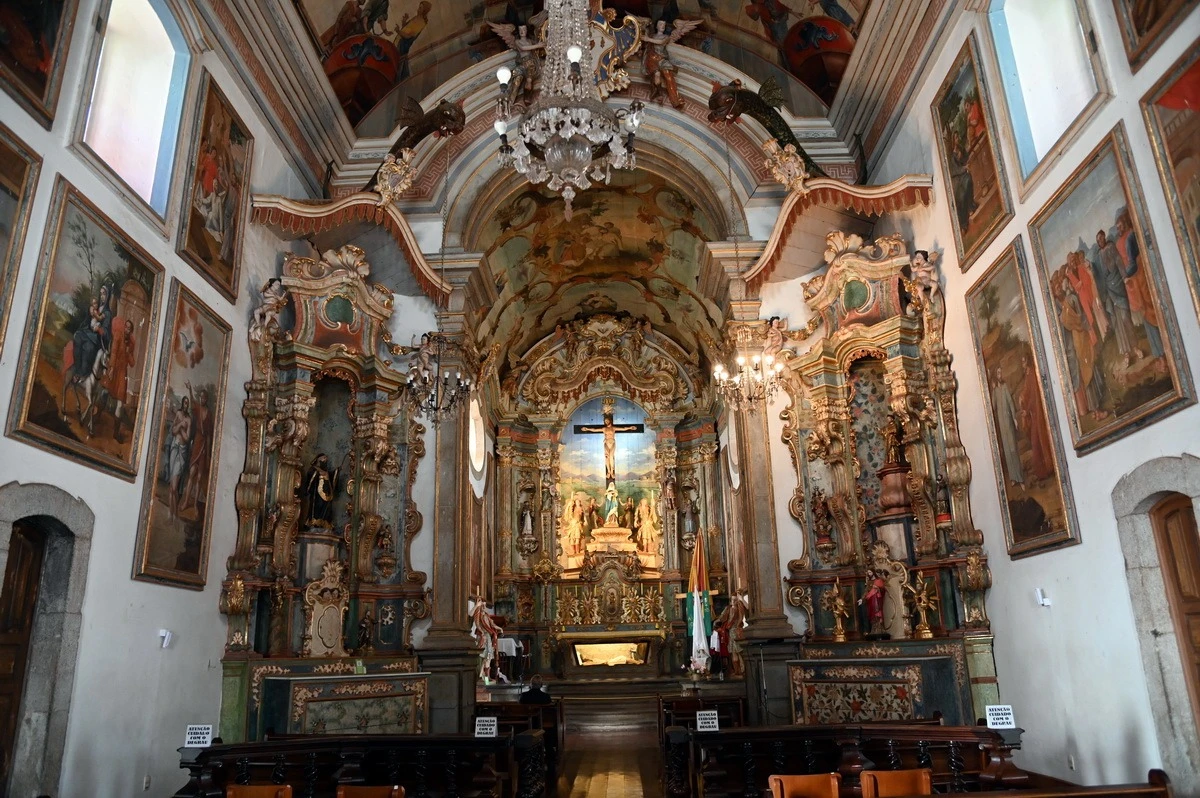
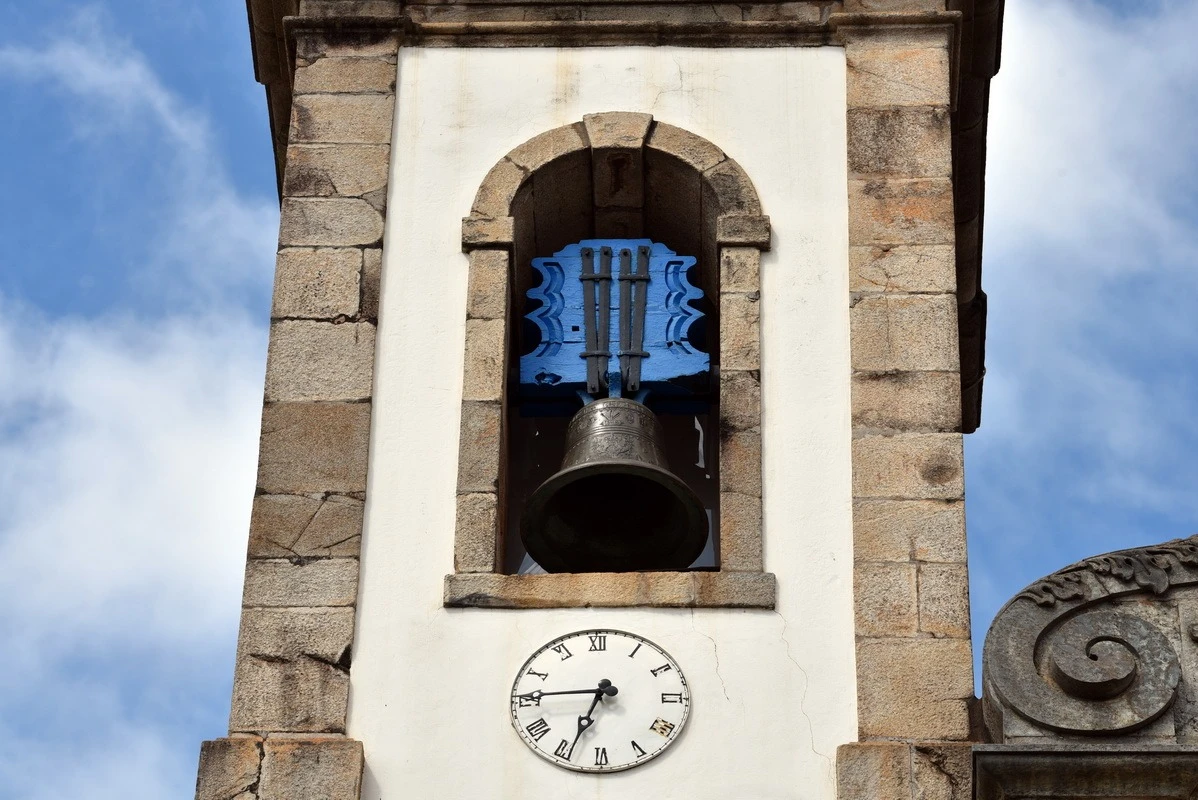
Ouro Preto, a UNESCO World Heritage Site with its cobblestone streets, located in the heart of Brazil, at an elevation of 1,200 meters in the hilly landscape of the state of Minas Gerais. “Ouro Preto” is Portuguese and means “black gold”: the precious metal is blackened here by iron oxide. There are a total of 13 churches in Ouro Preto.
During the heyday of the Brazilian gold rush, 300,000 people lived in Ouro Preto and the 15 surrounding towns. In the 18th century, Ouro Preto was also known as “Vila Rica” = “rich city” and was long regarded as a model of culture and architecture far beyond the country’s borders.
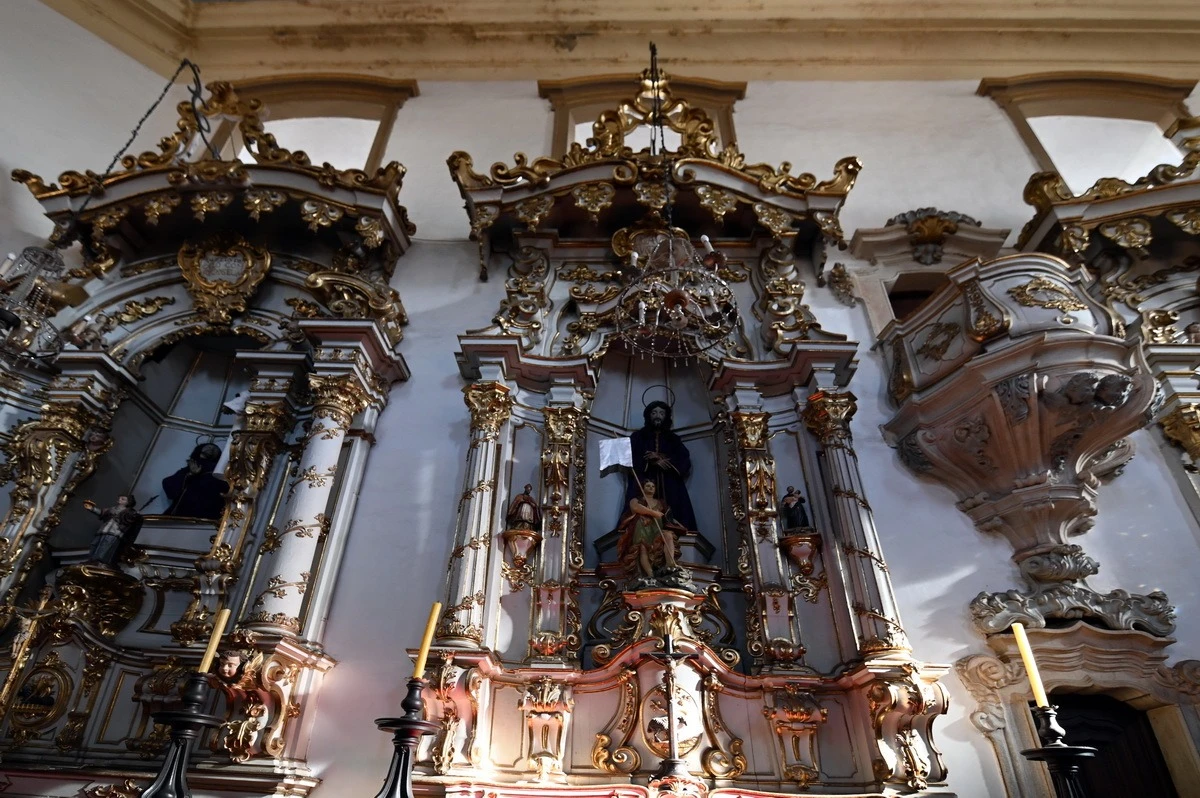
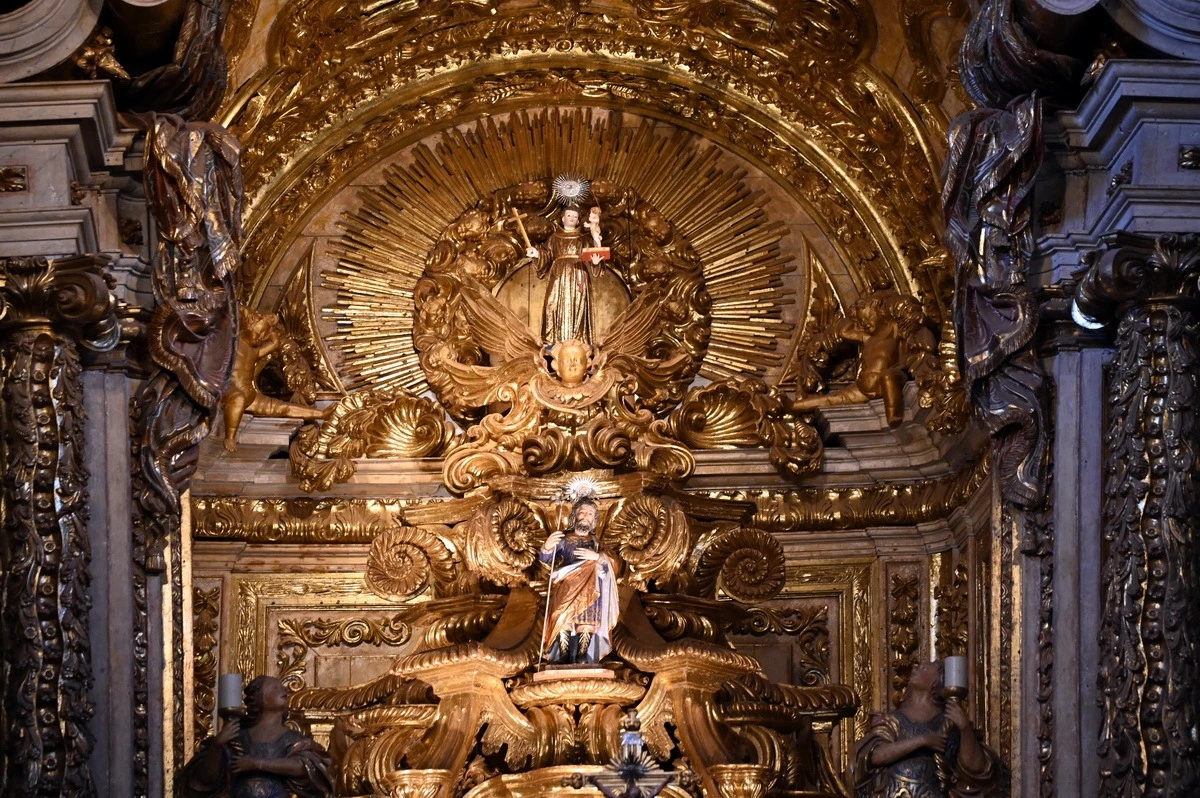
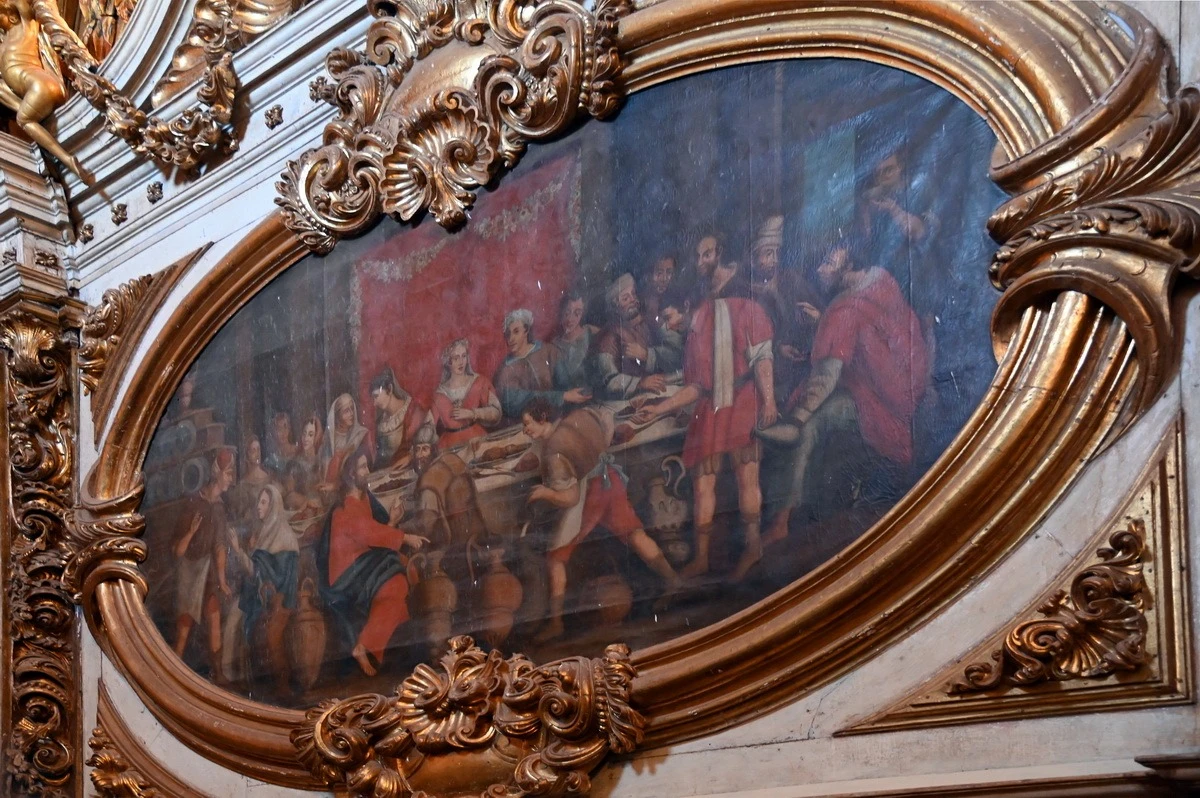
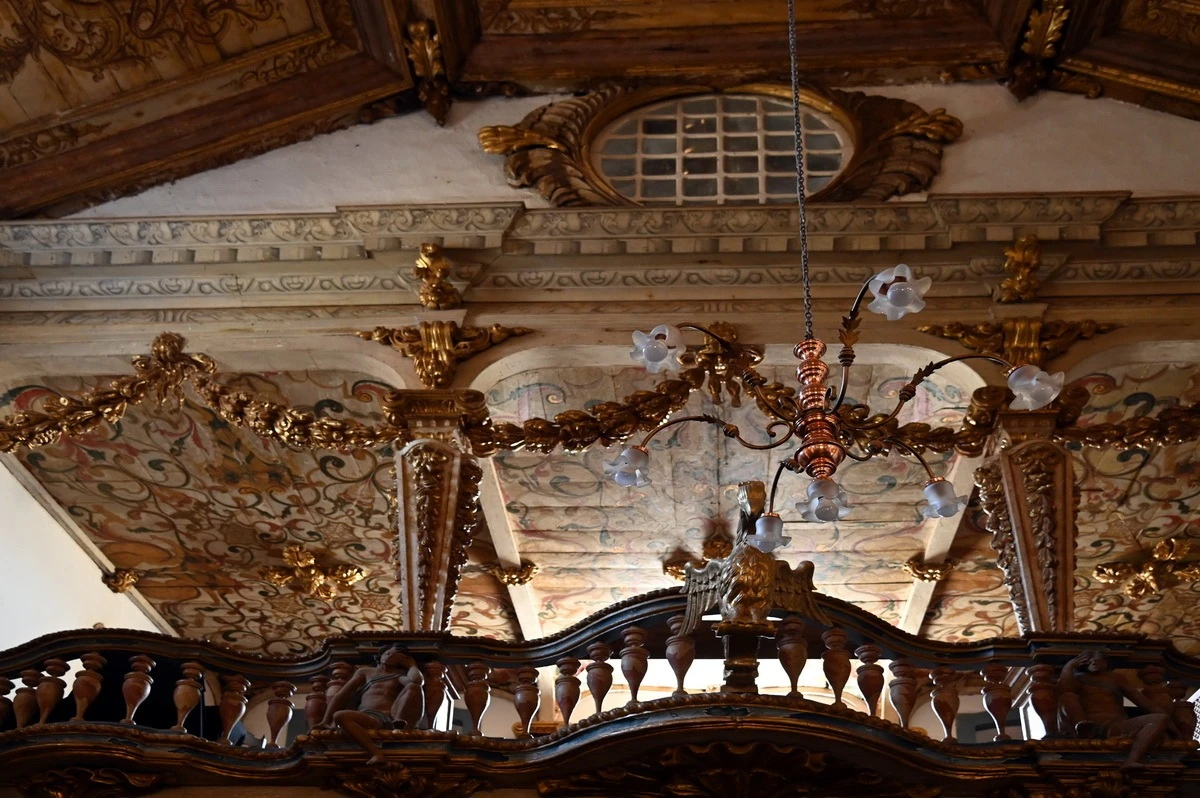
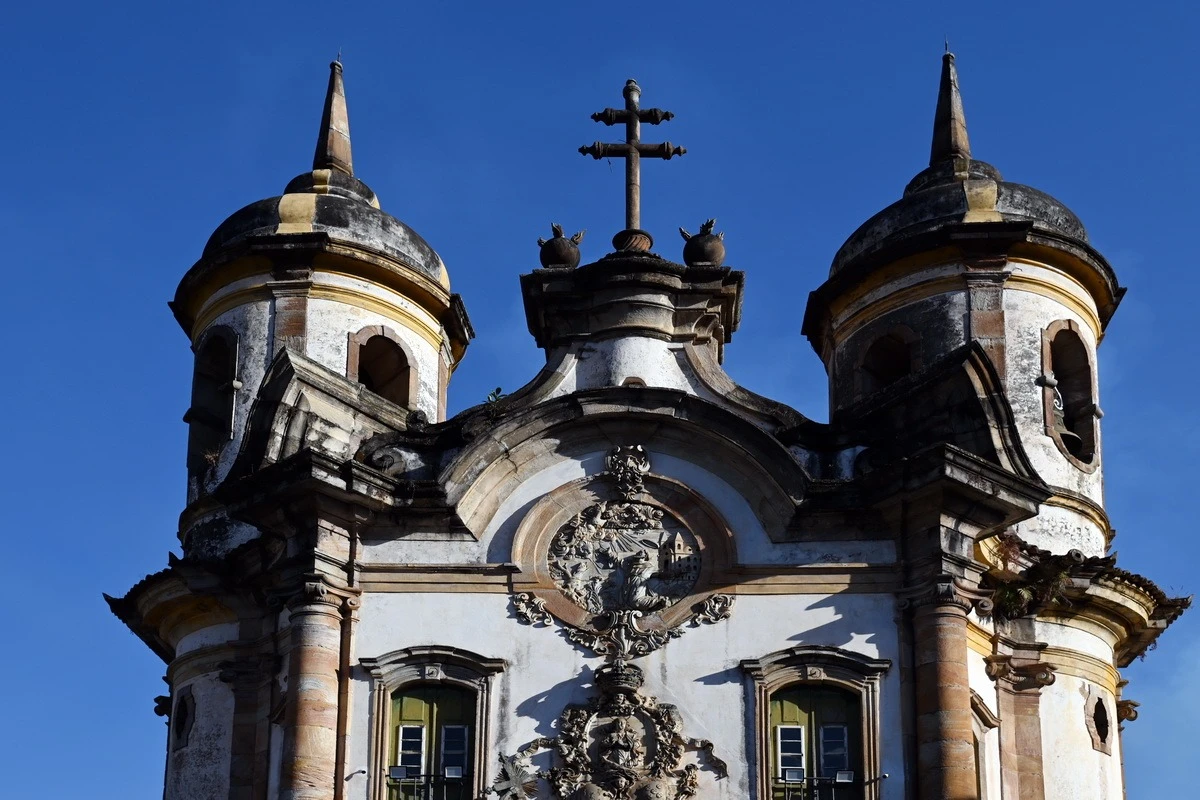
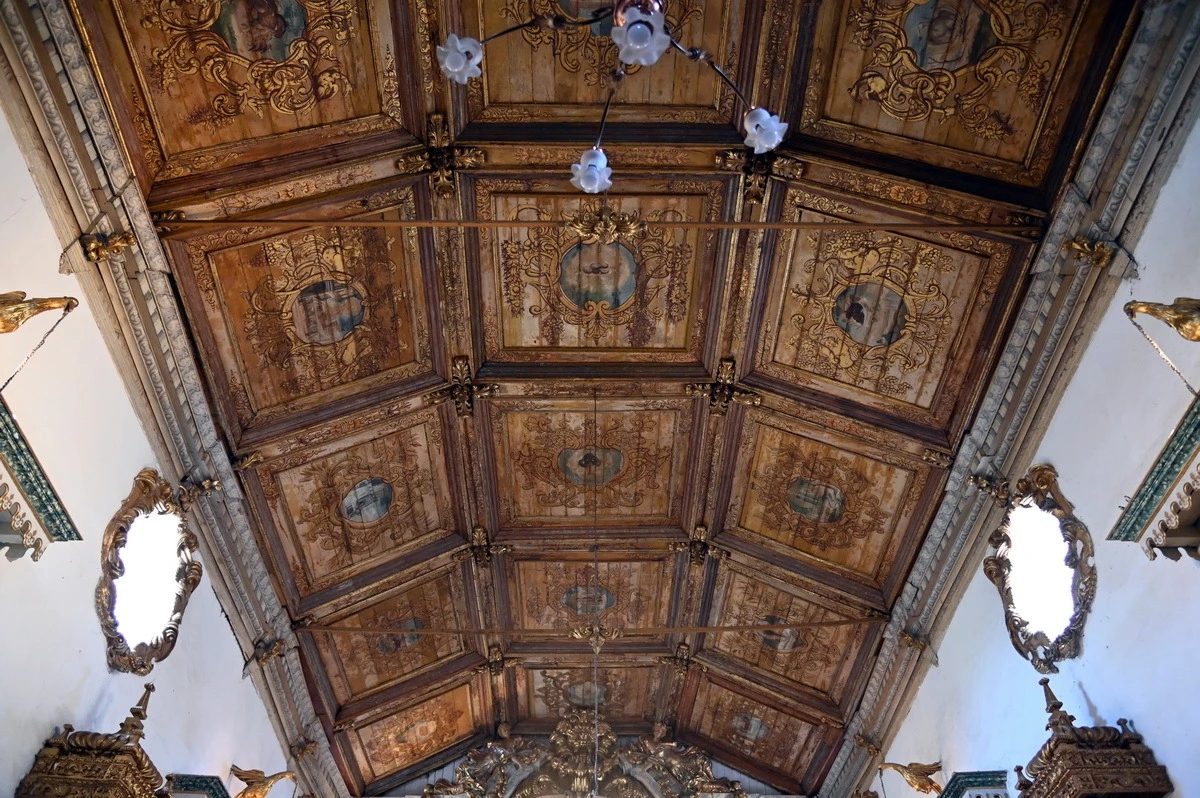
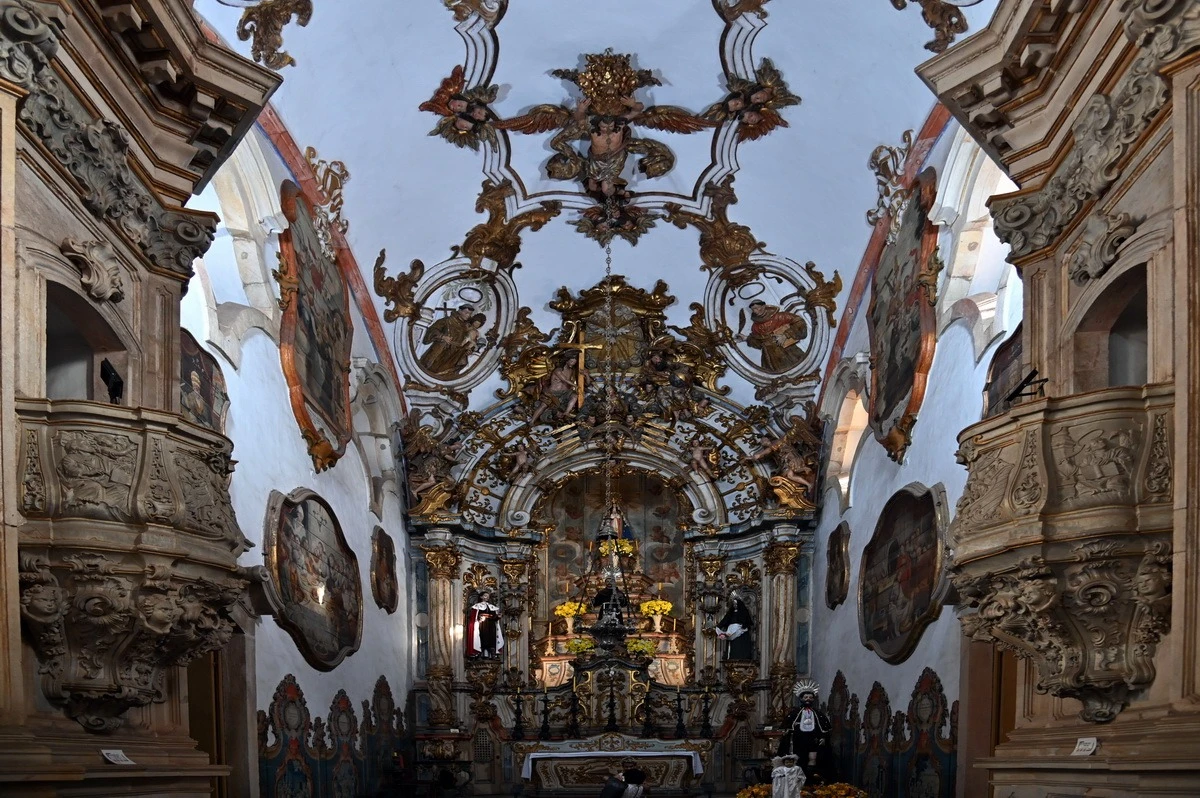
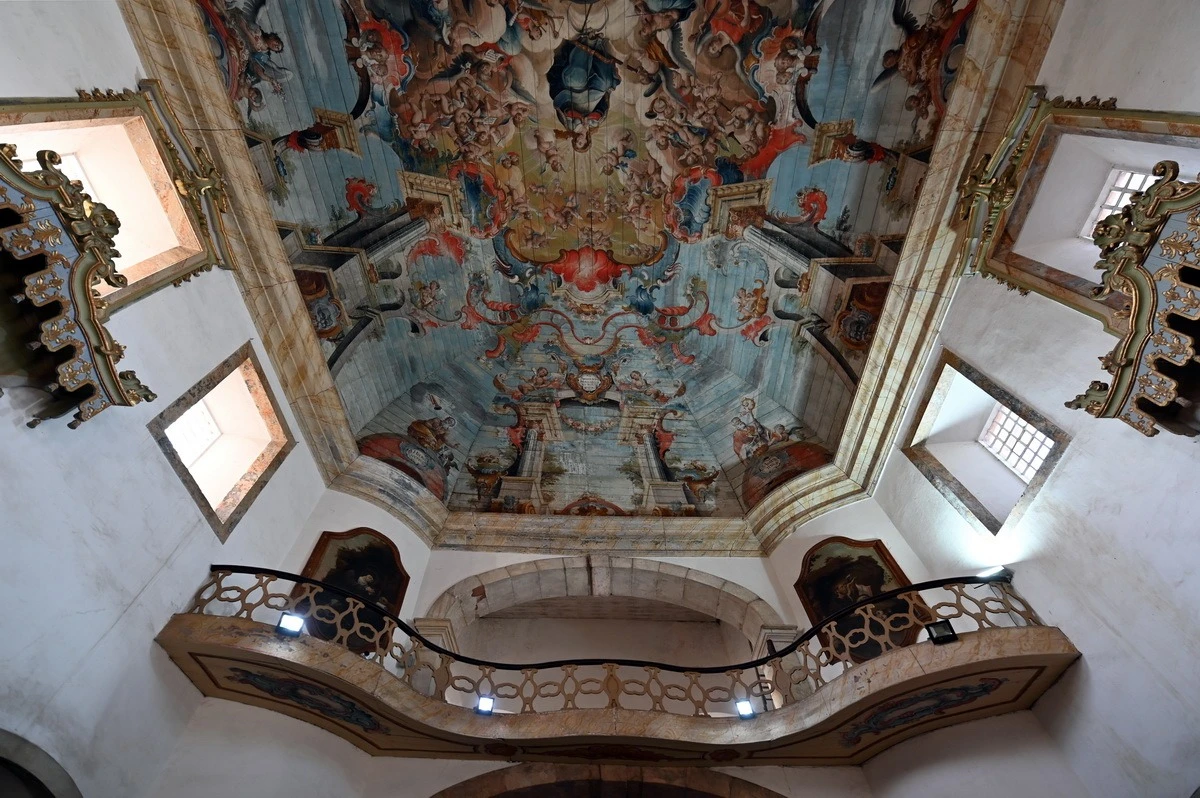
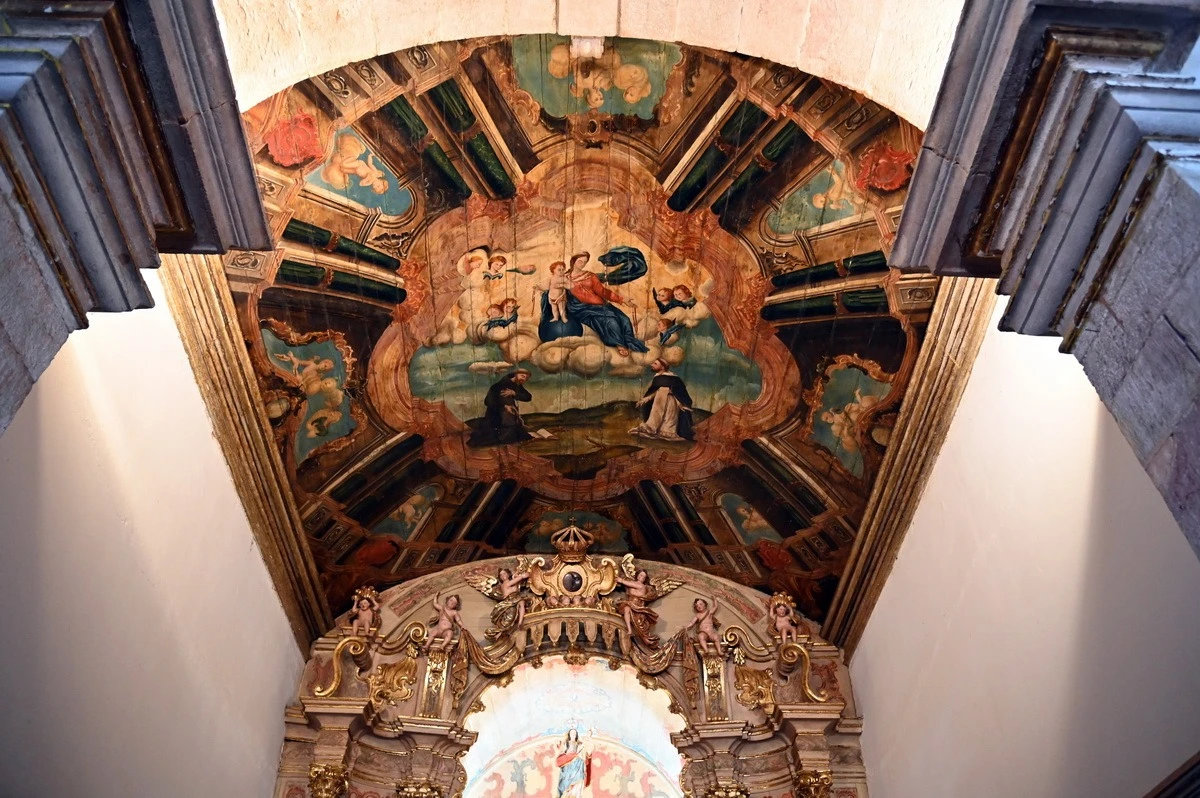
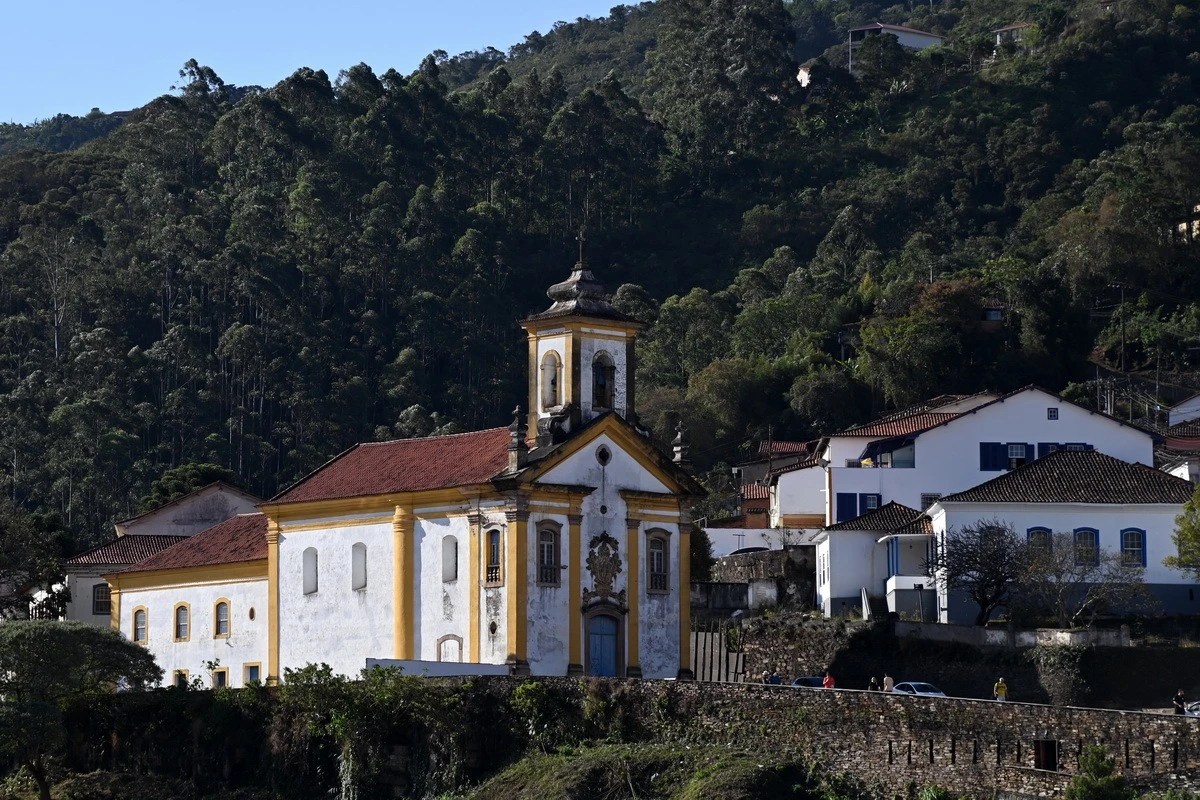
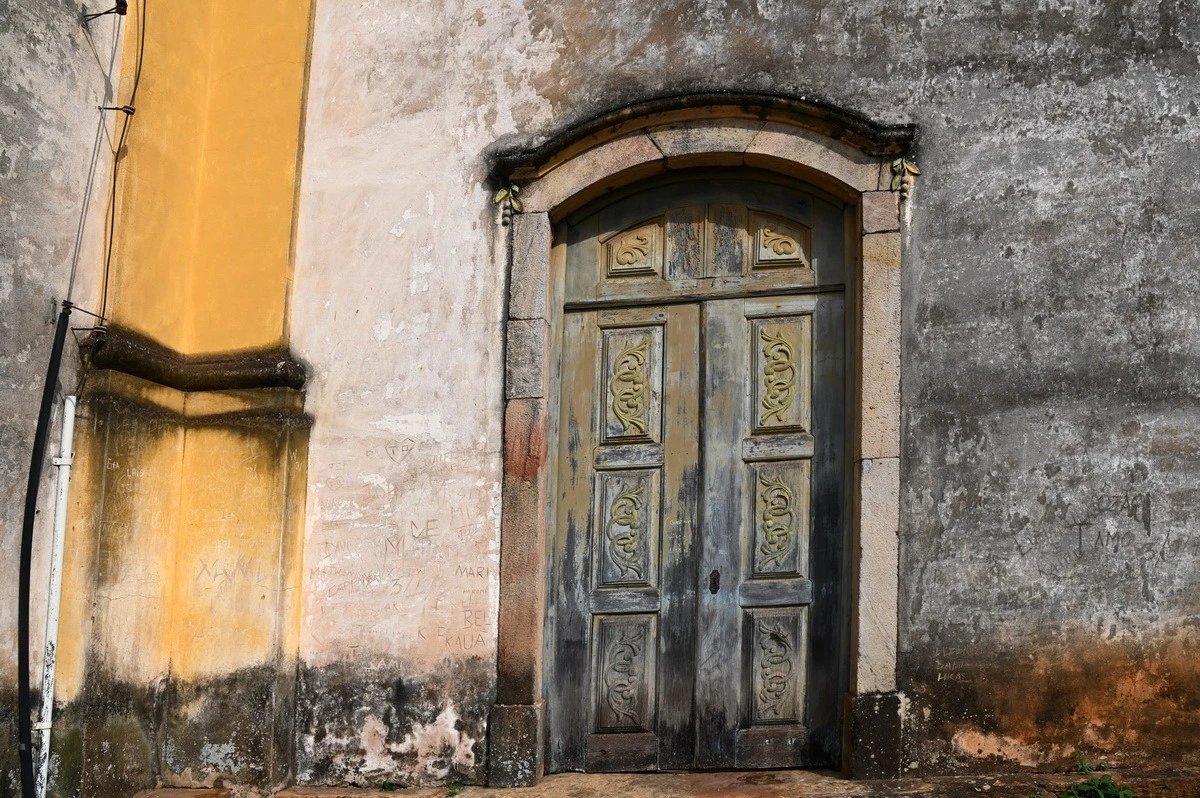
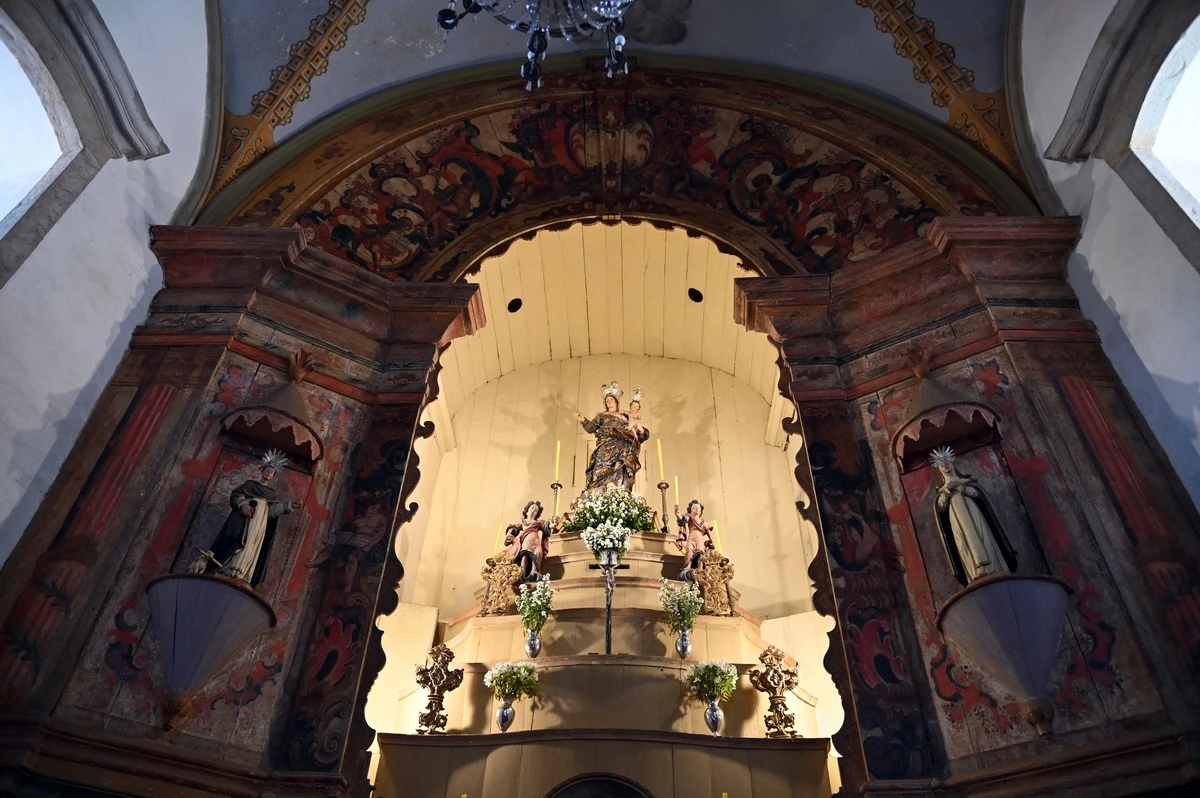
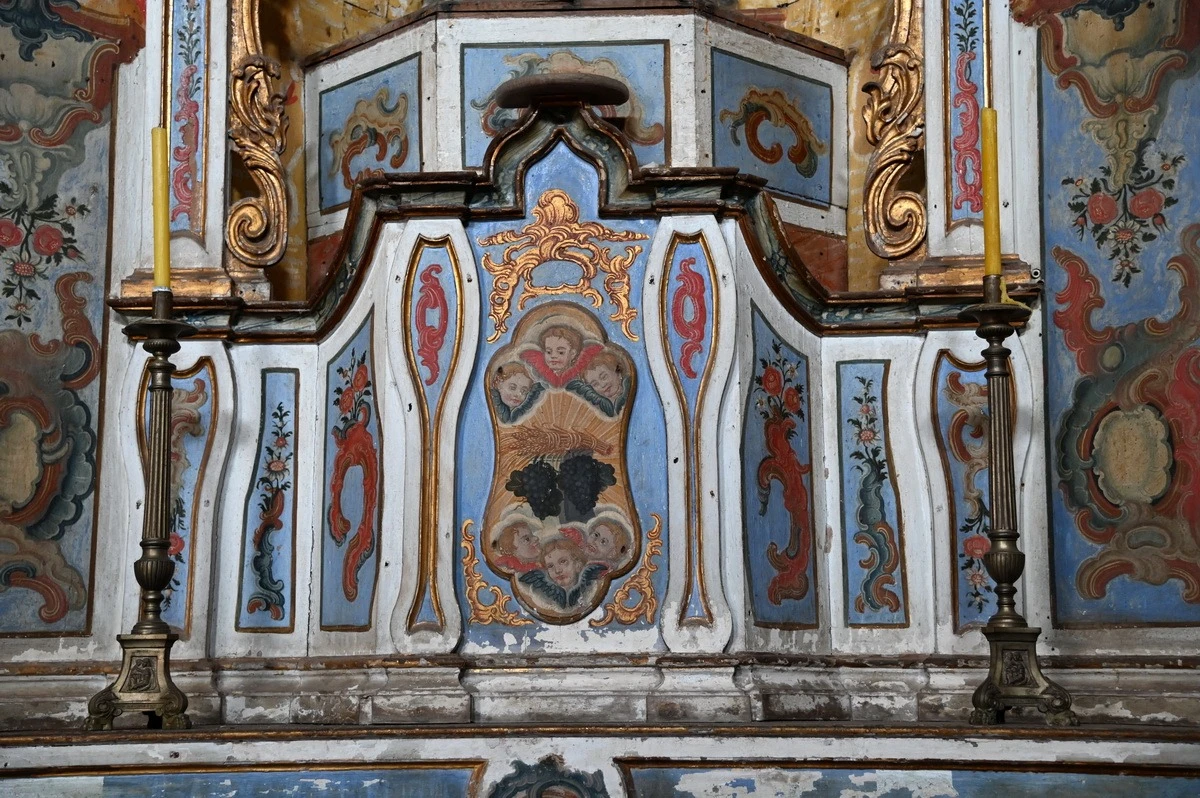
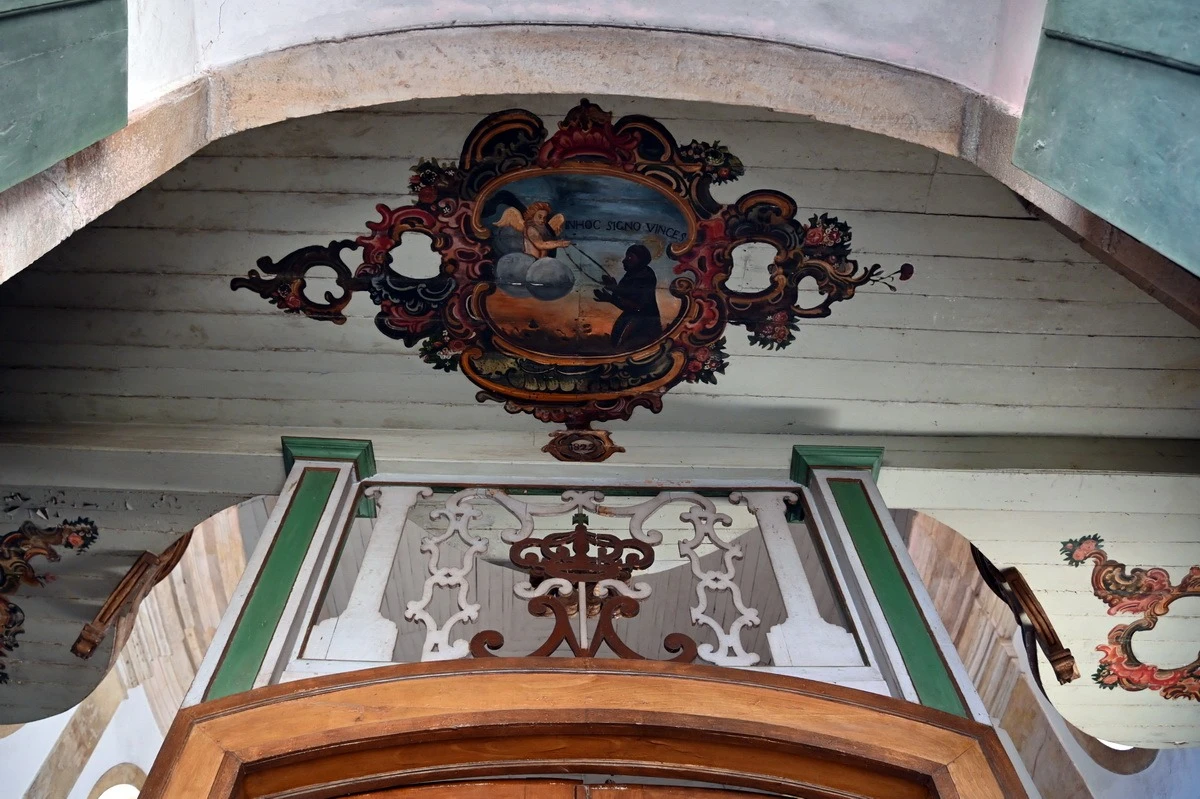
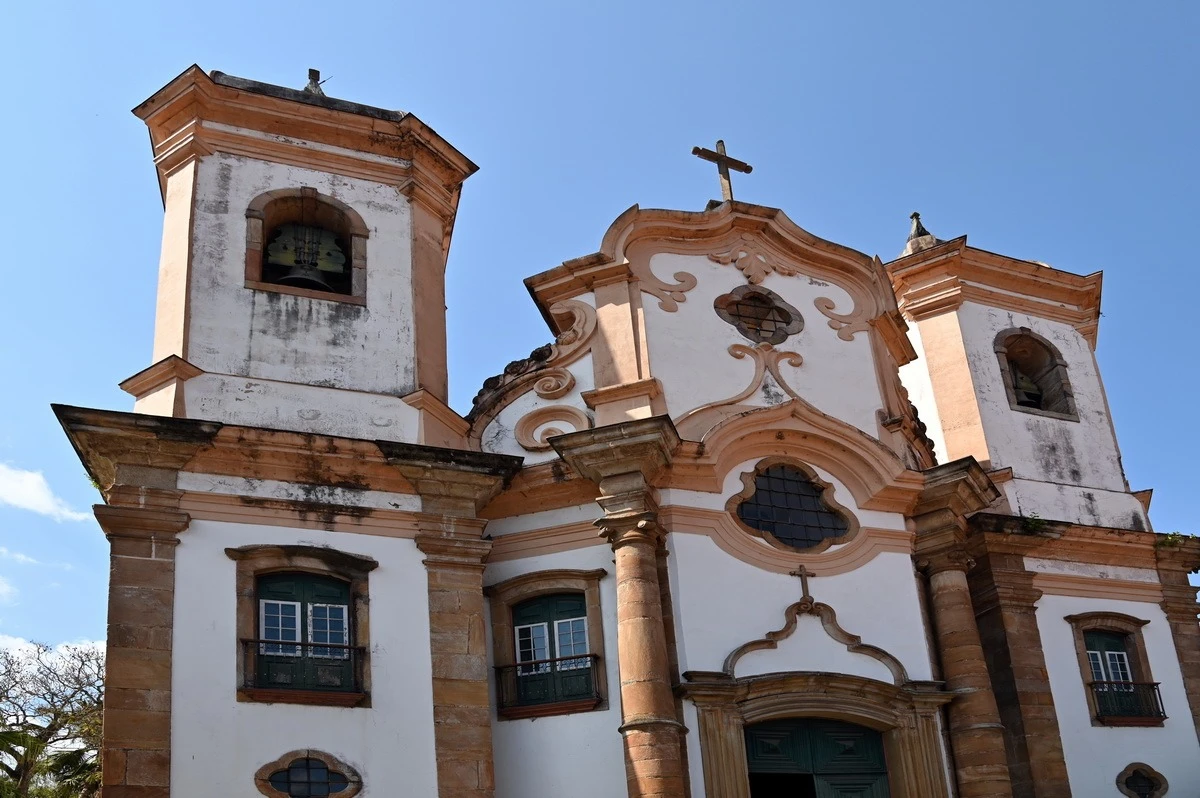
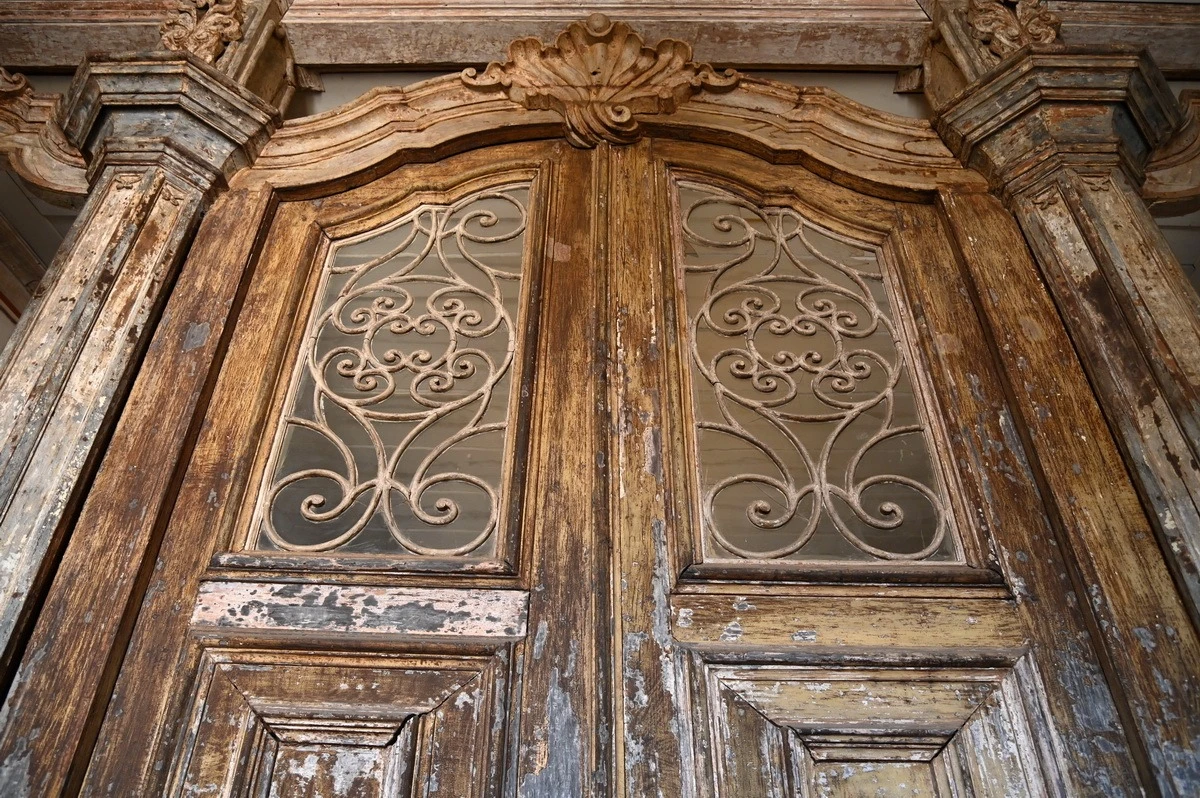
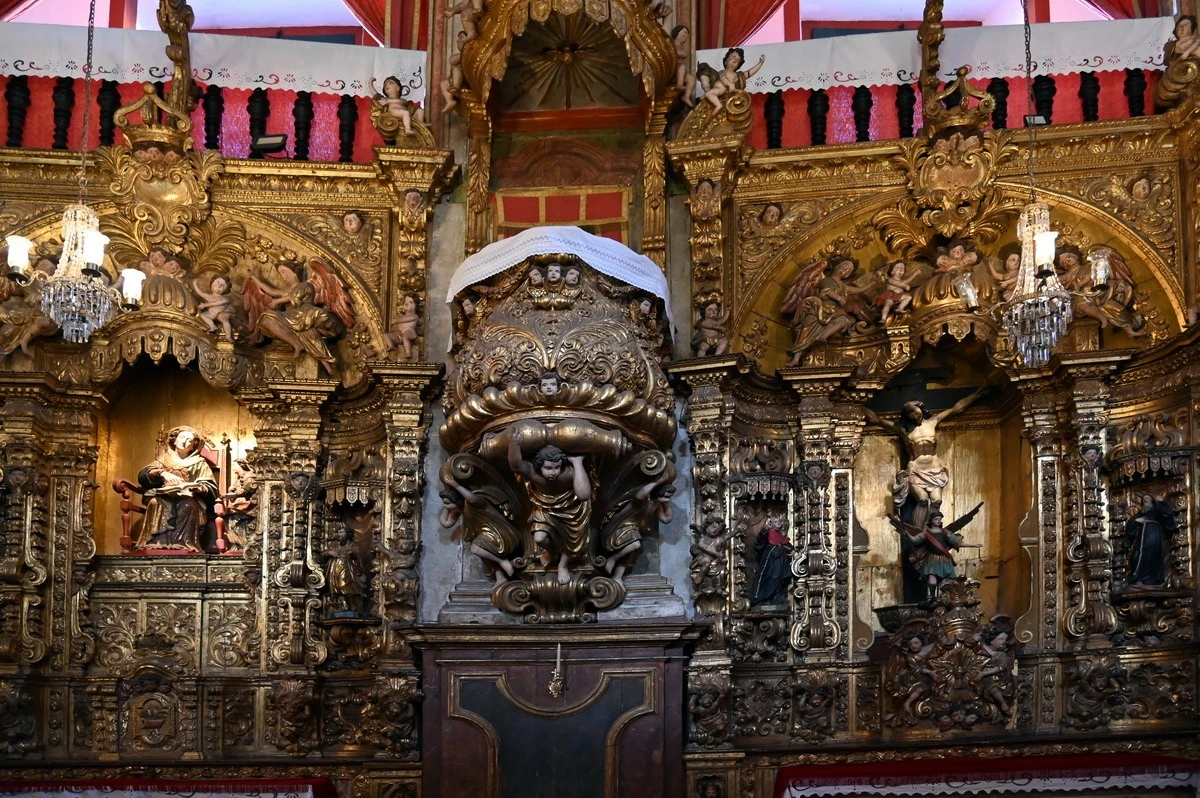
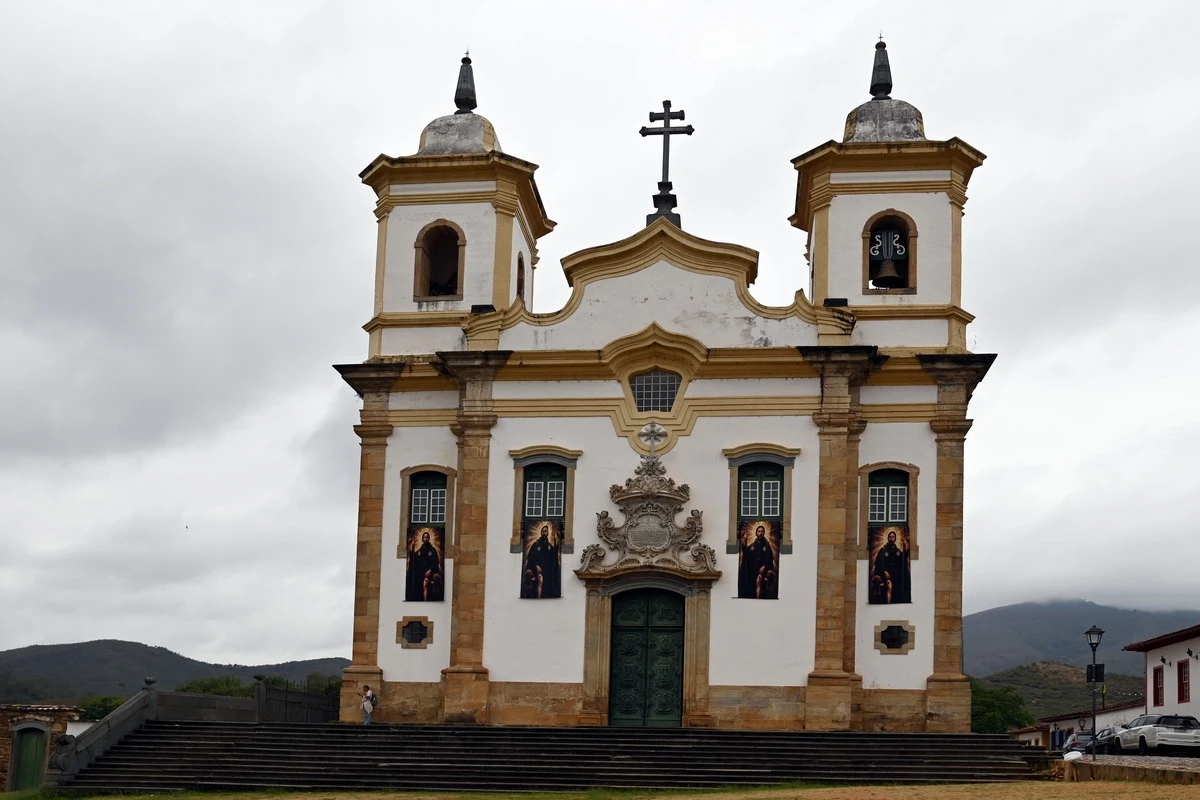
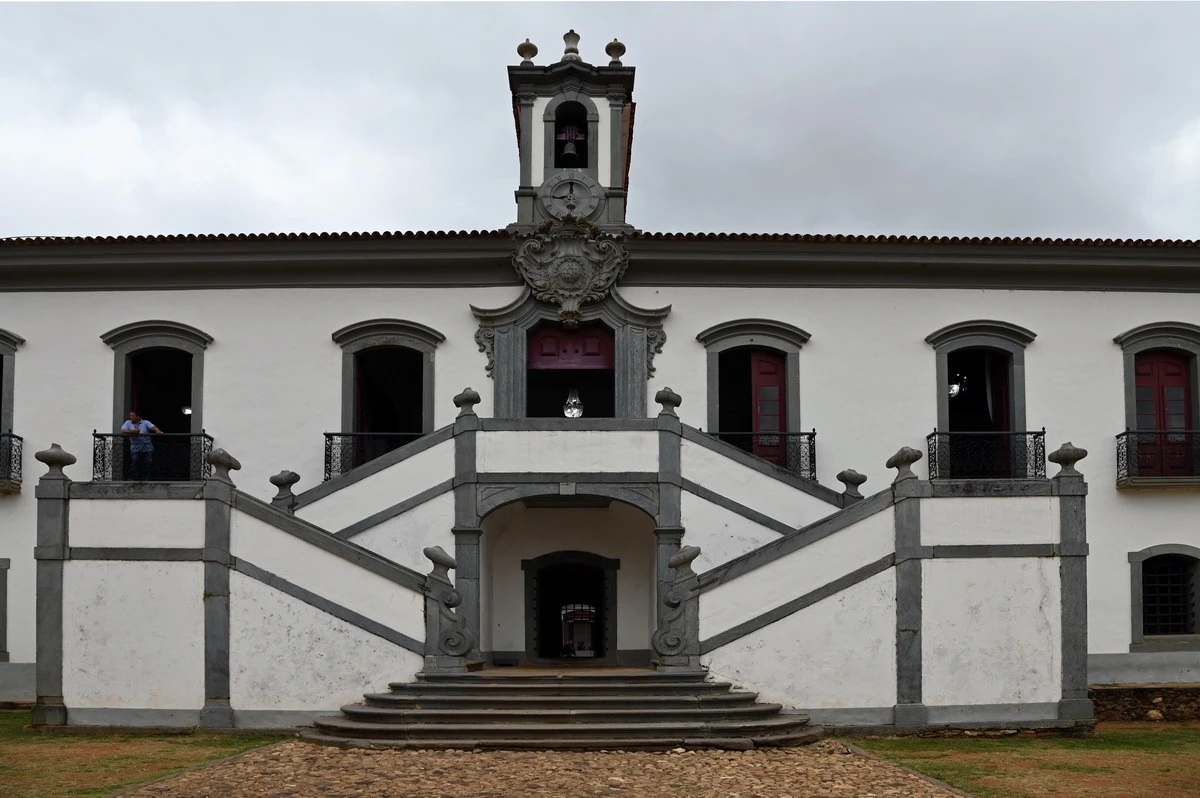
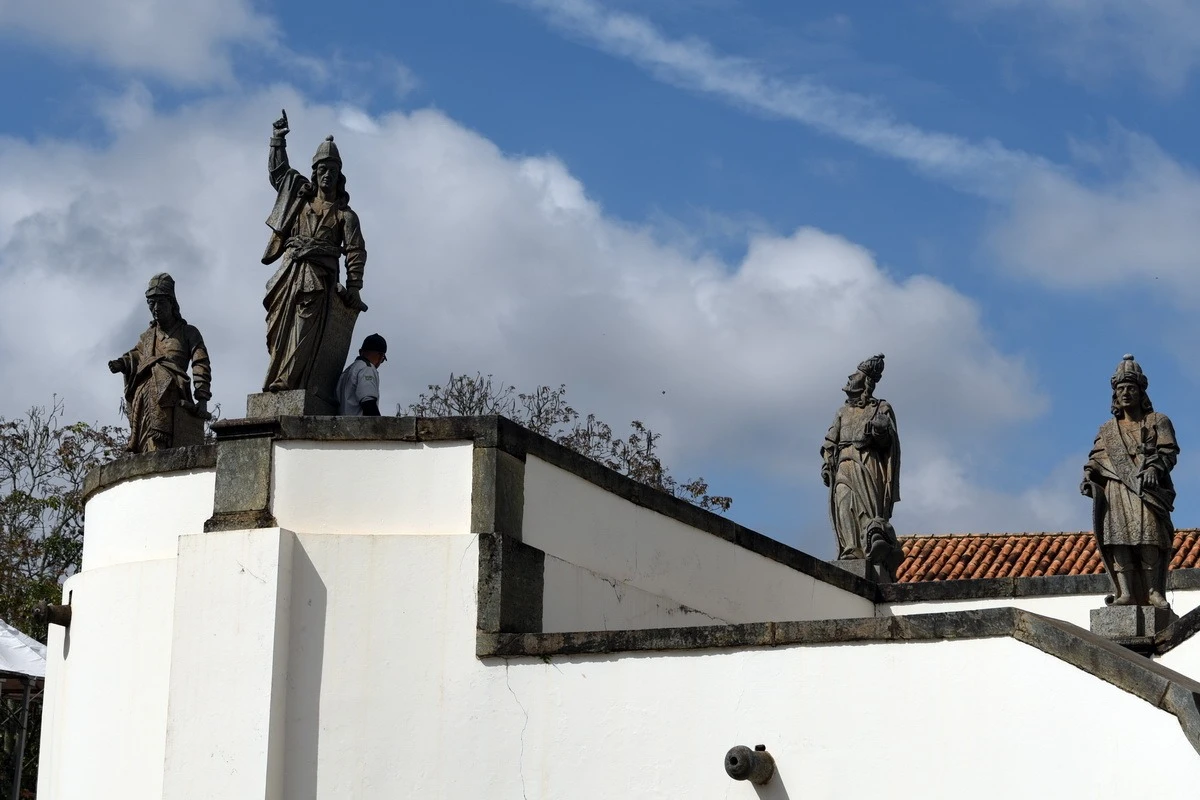
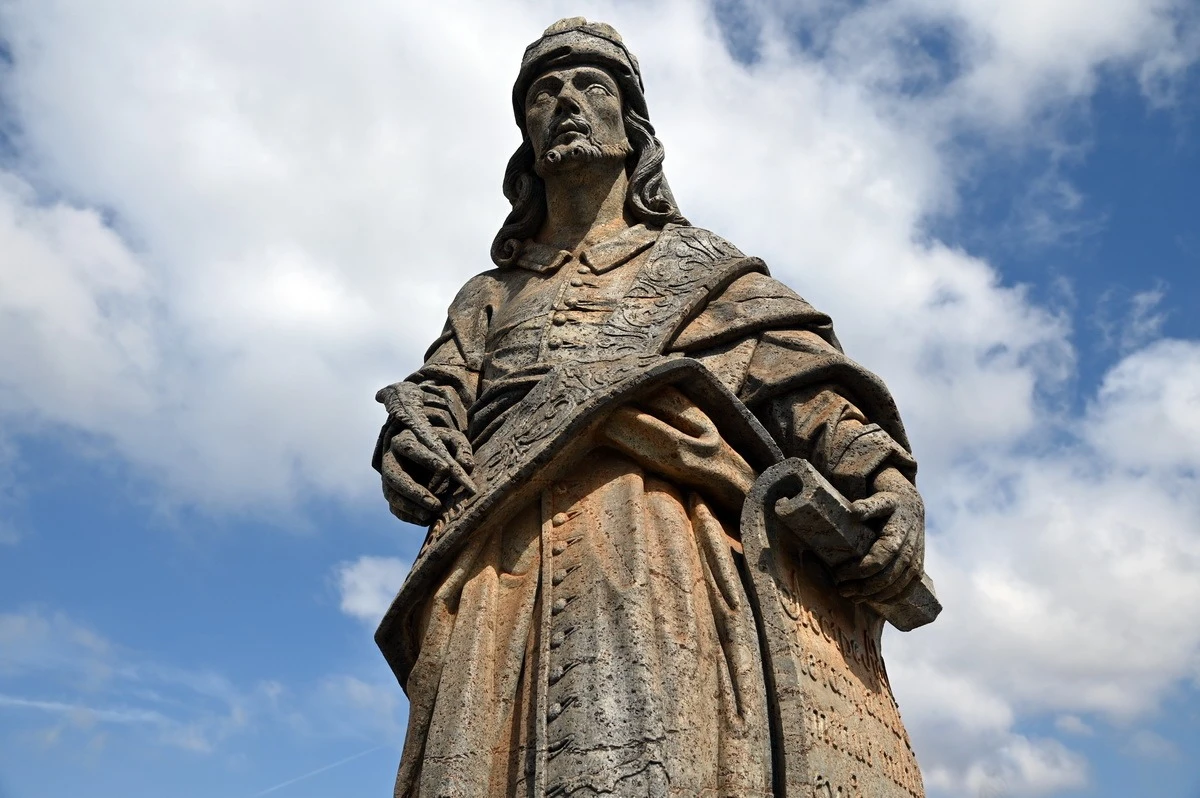
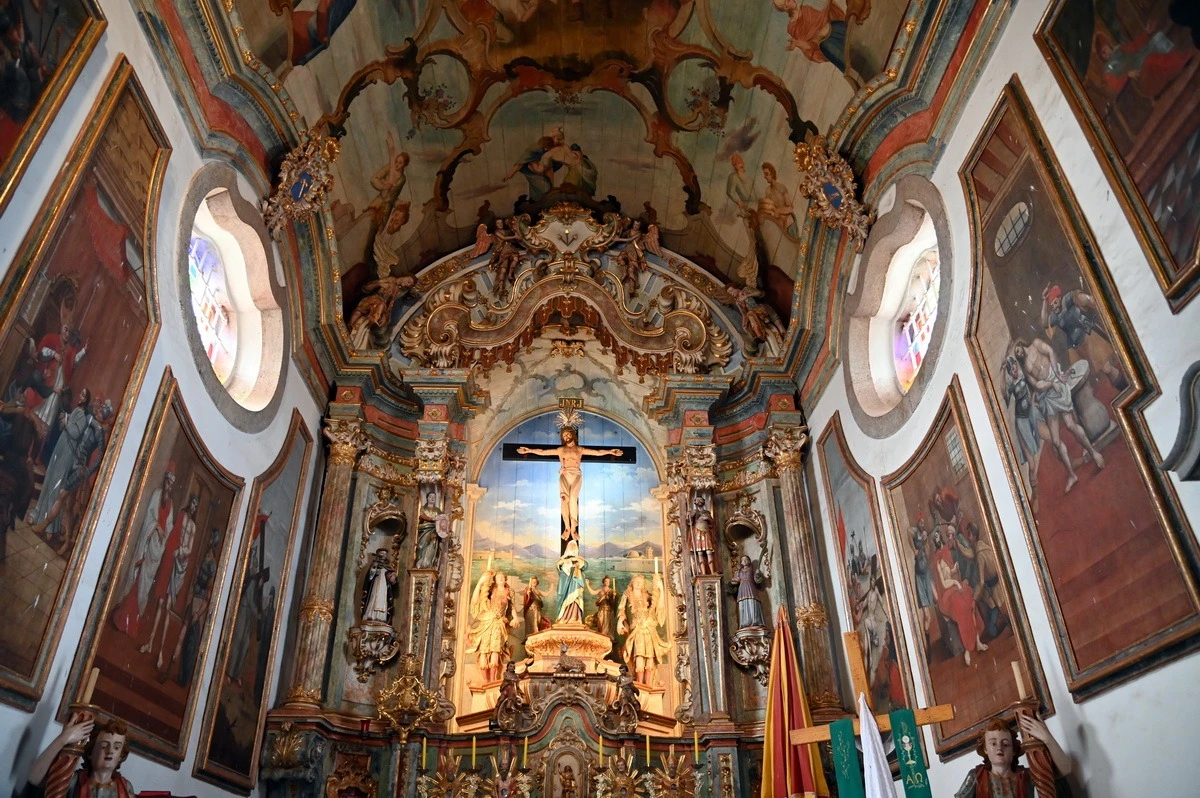
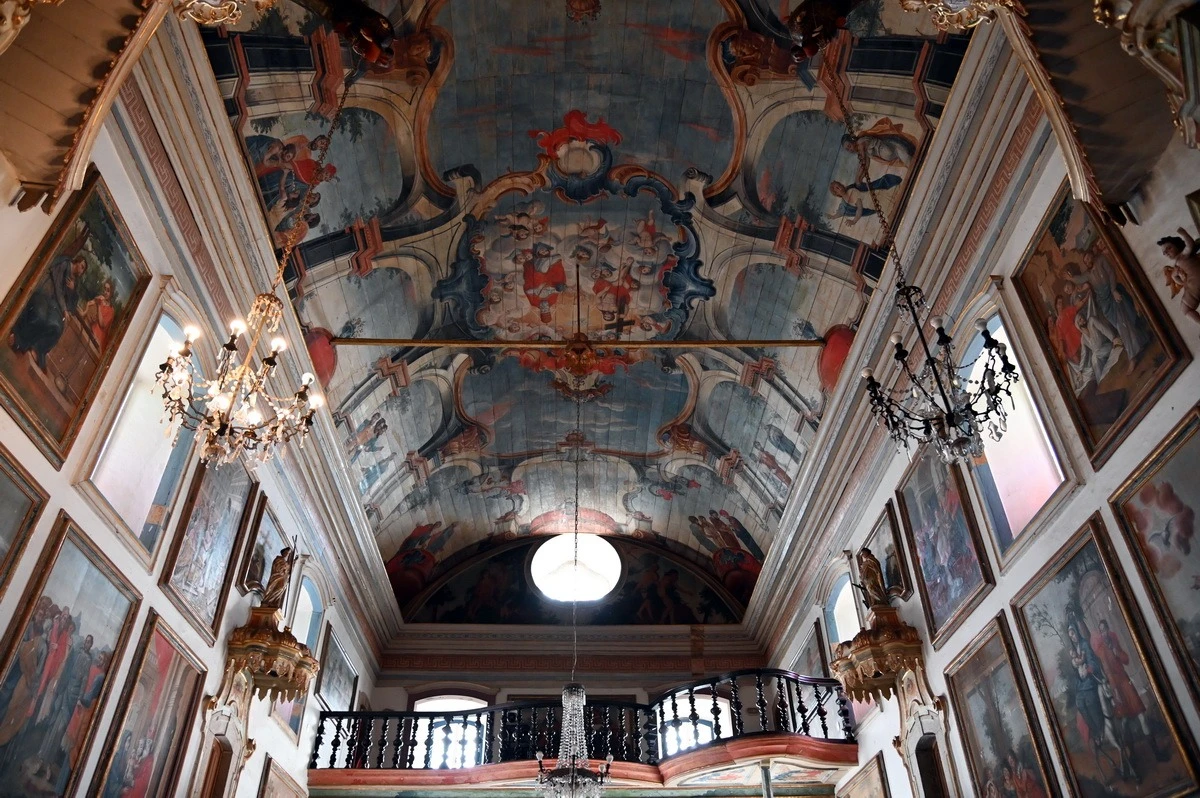
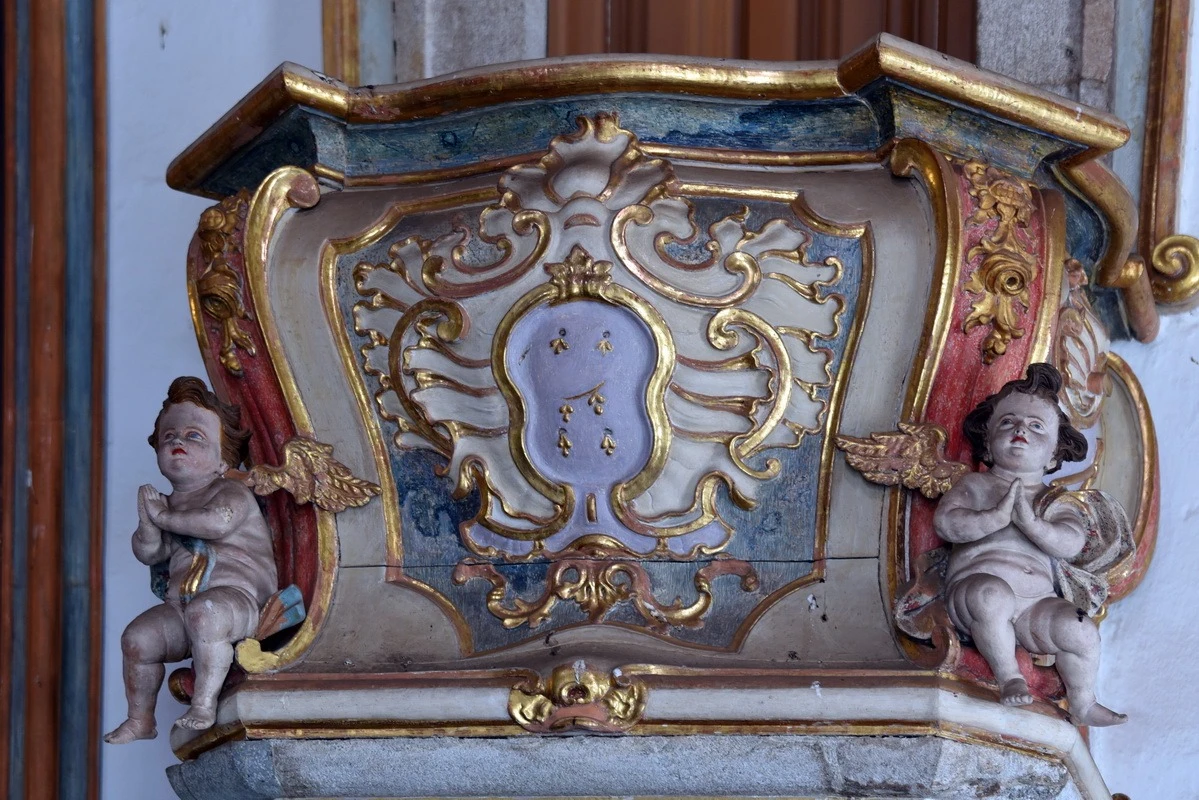
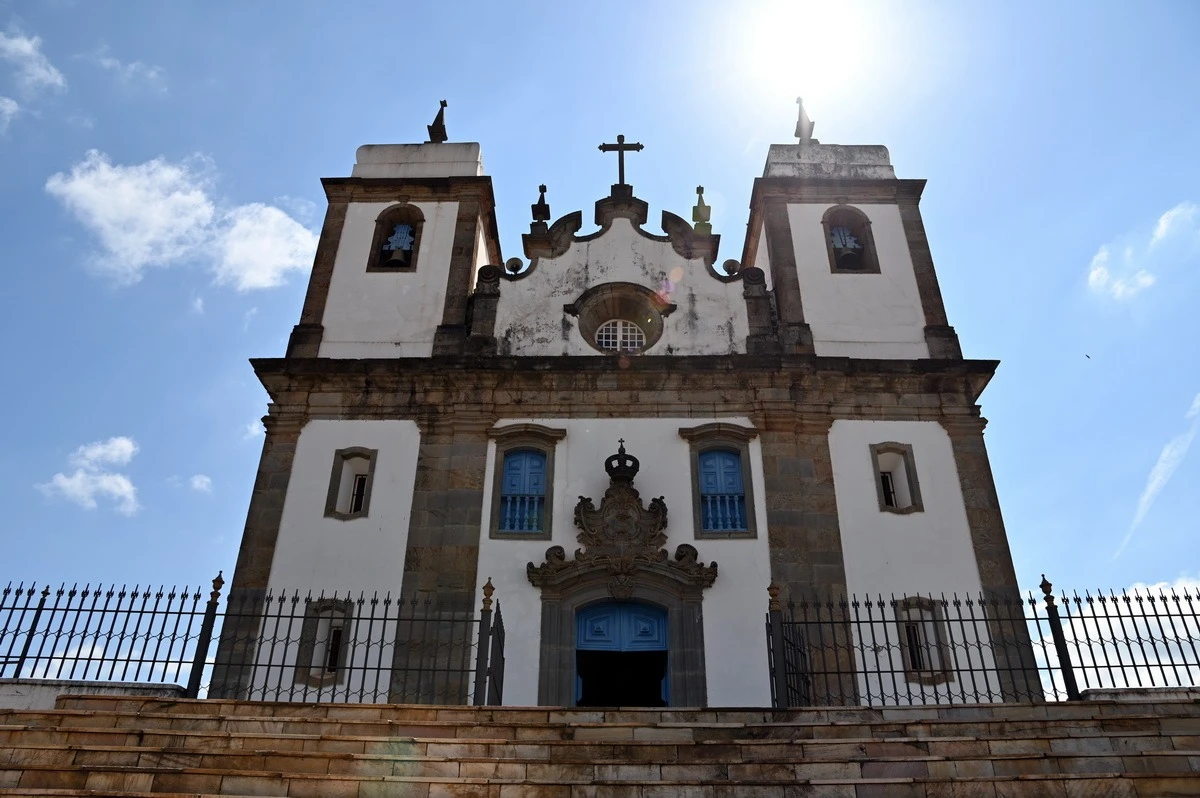
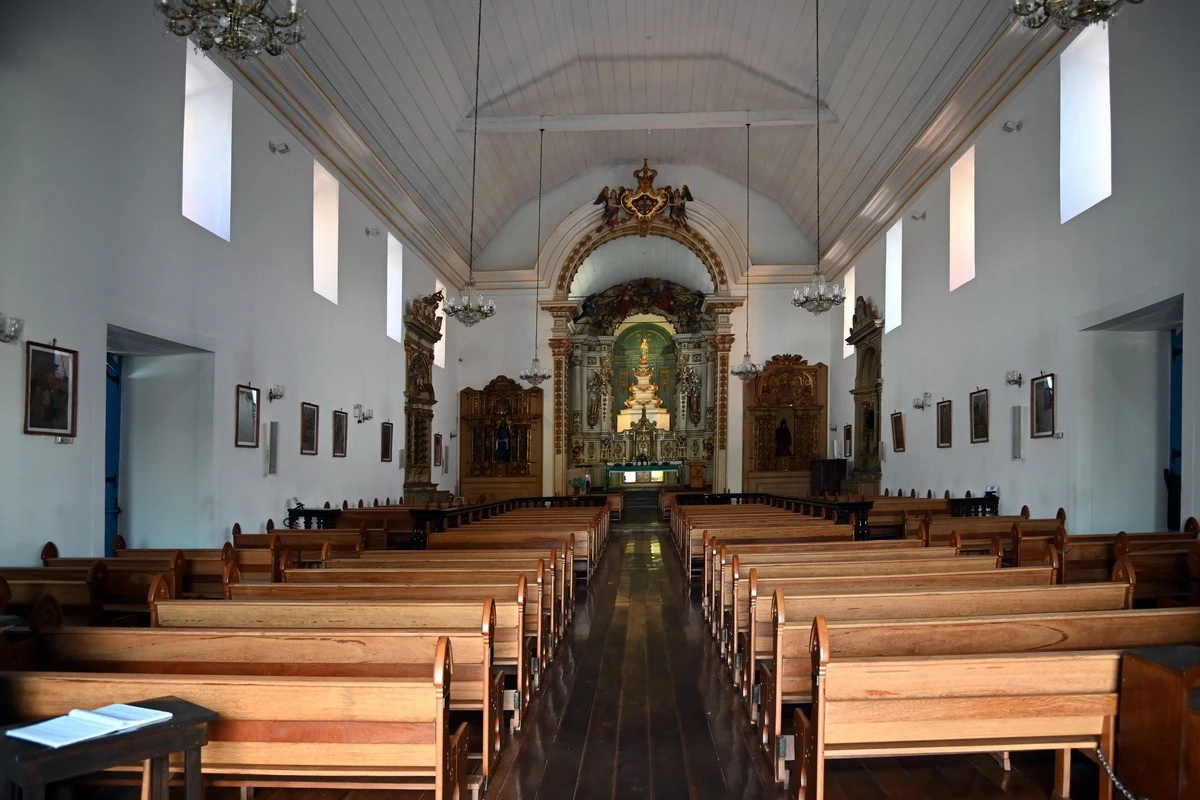
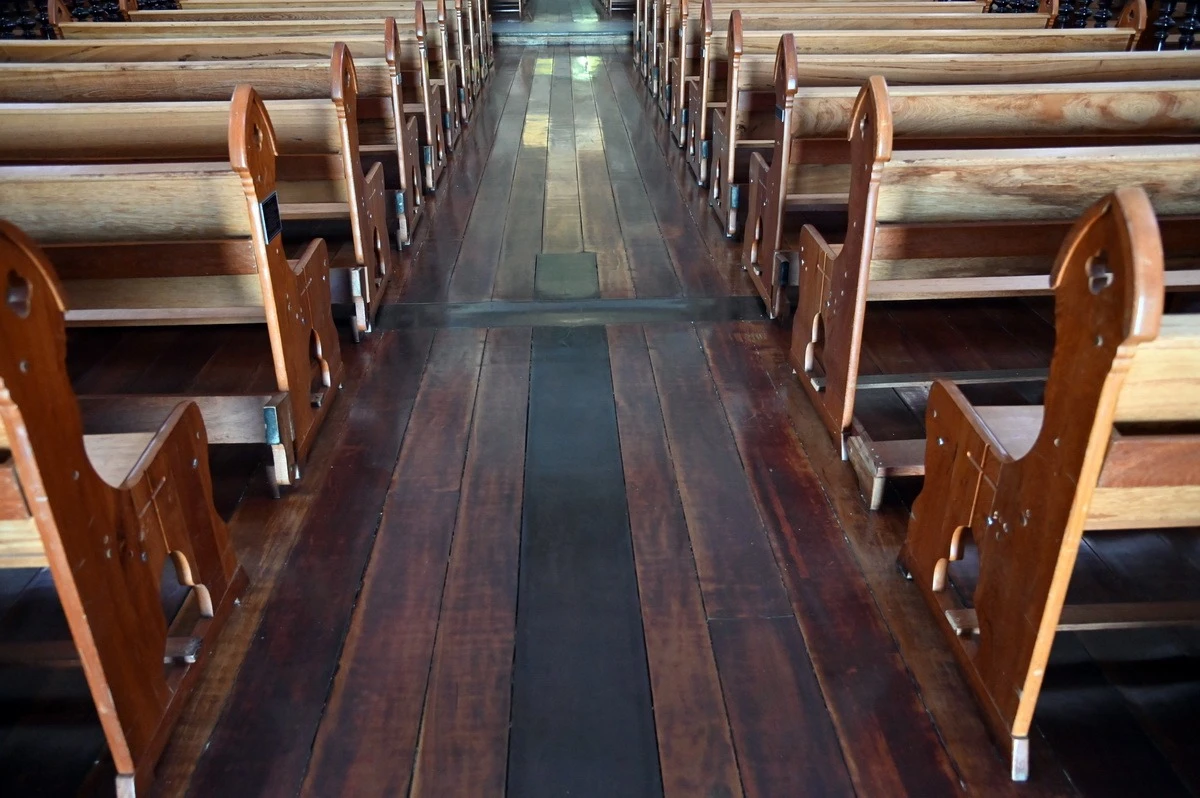
We visited some of the many churches in Ouro Preto and the surrounding area. The opulent Baroque style is sometimes simply breathtaking.
One of the churches alone incorporated up to 500 kilograms of gold leaf. These towns with their narrow streets, houses, and churches left an unforgettable impression.

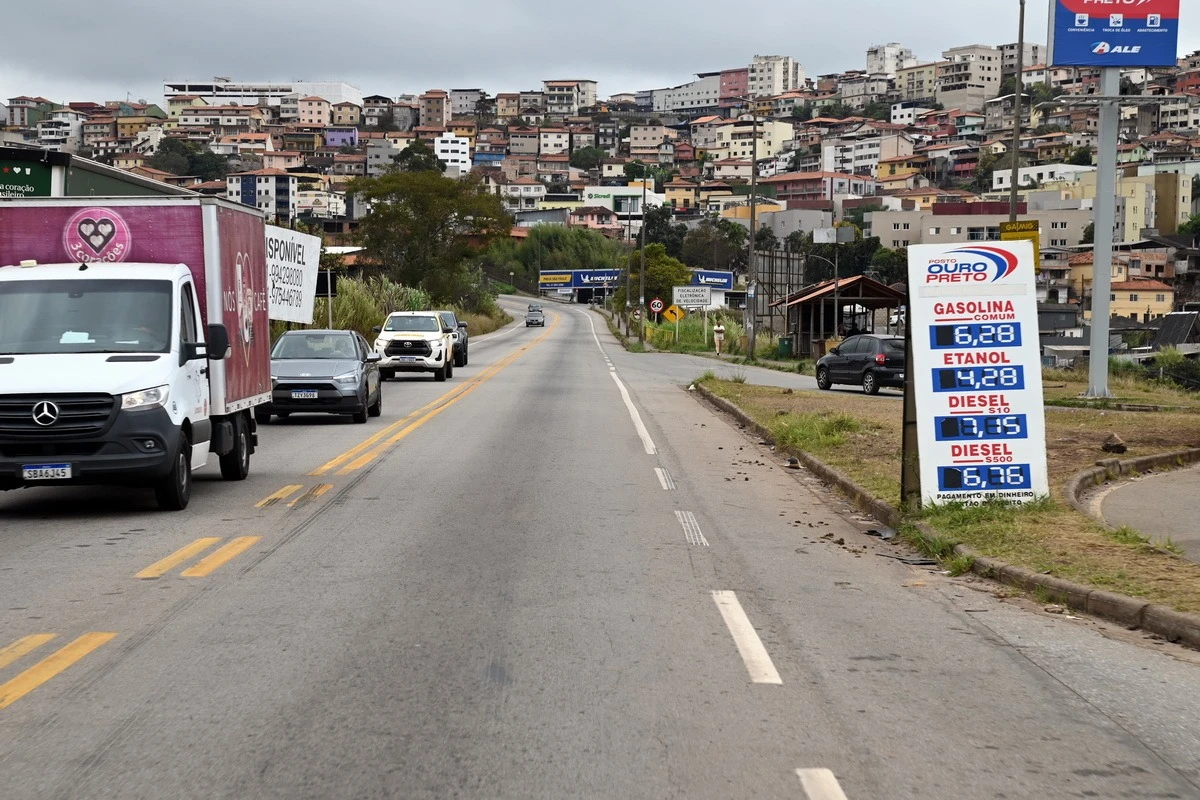
Voucher when refueling with Diesel
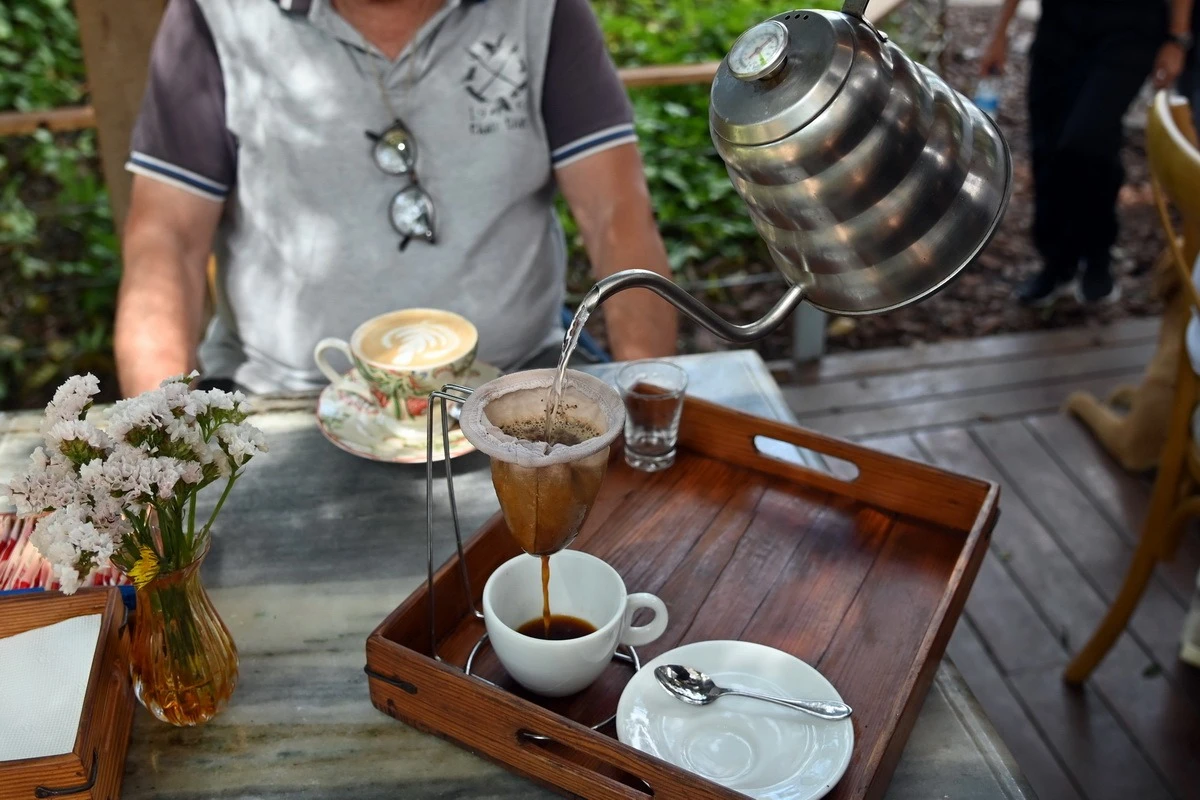
We were very surprised when the attendant at a large gas station handed us a voucher for two coffees while we were paying for our diesel.
When redeeming the voucher, Brigitte asked if there were any pastries. The cashier said there were no pastries but offered us a loaf of bread instead. She handed us a one-kilogram loaf that was still warm!
Brazilians and foreign languages
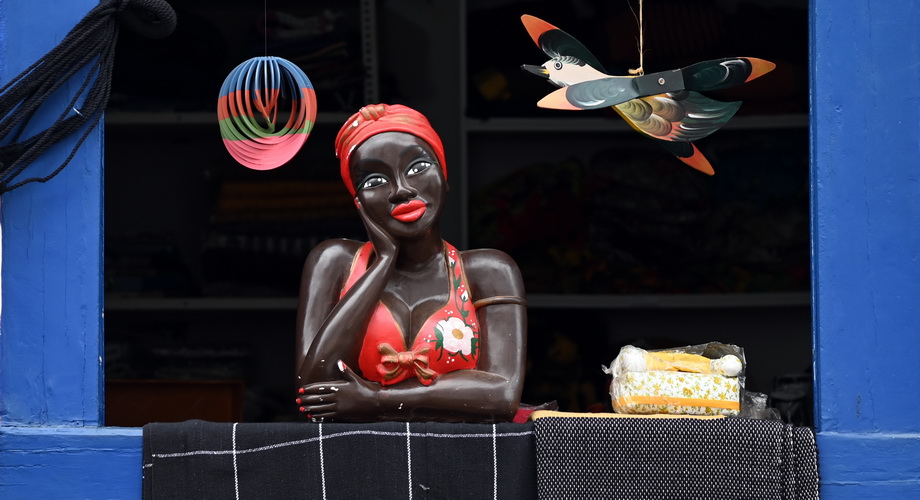
The Brazilians we meet along the way very rarely speak a foreign language. We communicate in Spanish, which allows for some halting understanding.
It’s quite puzzling that tourist attractions charge admission fees, yet there isn’t even a hint of a foreign language spoken there.
In certain cities, Uber doesn’t work. If you call a taxi dispatch center by phone and speak a foreign language—whether English or Spanish—they hang up immediately.
Bomb alert and we were right in the middle of it
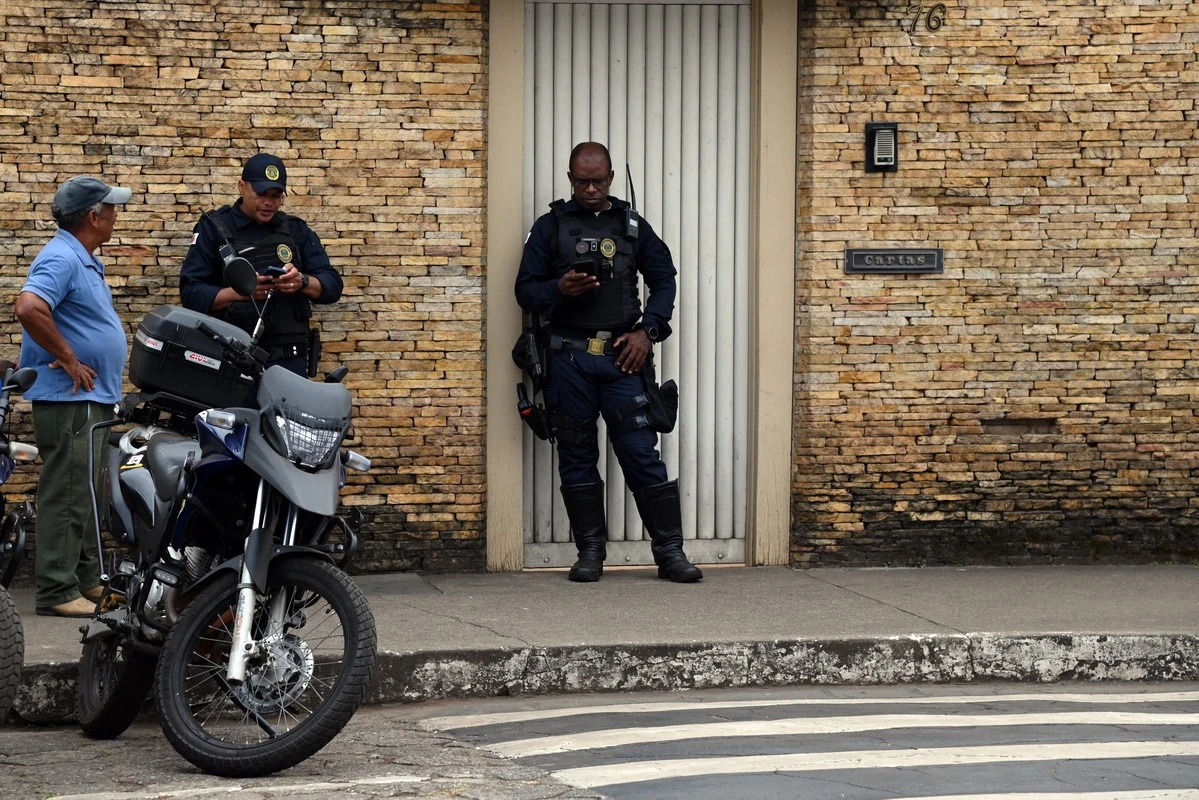
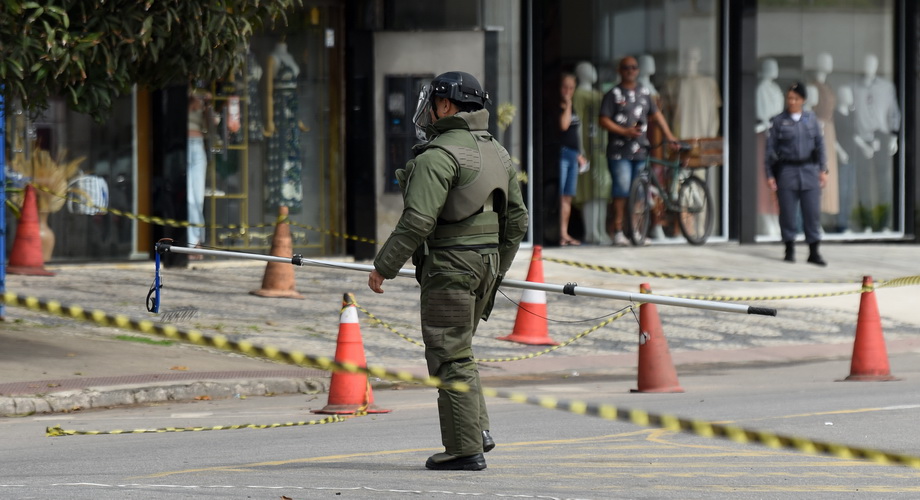
As we drove into the town of Nova Almeida, ES, the place was swarming with police. The street ahead of us and a large square had been cordoned off over a wide area. A few Brazilians were standing in front of the police tape, cell phones in hand, and we joined them. A fully equipped bomb disposal expert carrying an explosive detector emerged from the Military Police Station across the street. He crossed the square and headed toward a large trash can. Then someone shouted “Explosion!” three times, and there was a massive bang.
And that was it. A bomb drill, Brazilian style.
Moqueca, a fish dish
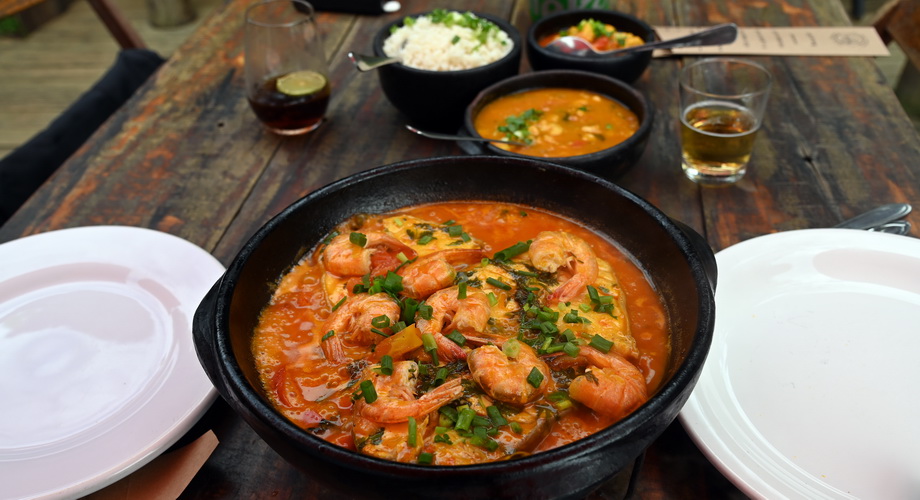
We’ve come to love this Brazilian national dish. Fish or seafood is prepared with tomatoes, onions, cilantro, and Urucum. The dish is served still simmering in a black clay bowl. It’s accompanied by rice, roasted cassava flour, Pirao, chili sauce, and much more.
At a restaurant, we asked about the price difference between two Moqueca dishes described identically. The waiter’s answer surprised us: The fish in the more expensive dish is fresher.

Observations in Brazil
A highway with two lanes in each direction; a car crosses all four lanes at a right angle to reach a side road on the opposite side.
A motorcycle parks in front of us at 8:00 a.m.; the young couple smokes a joint and then drives off, completely relaxed.
A truck driver leaves his engine running in a large parking lot and goes to take a shower. He returns, locks the vehicle while the engine is still running, and goes to have dinner with colleagues. That is why you should never spend the night next to a refrigerated truck.